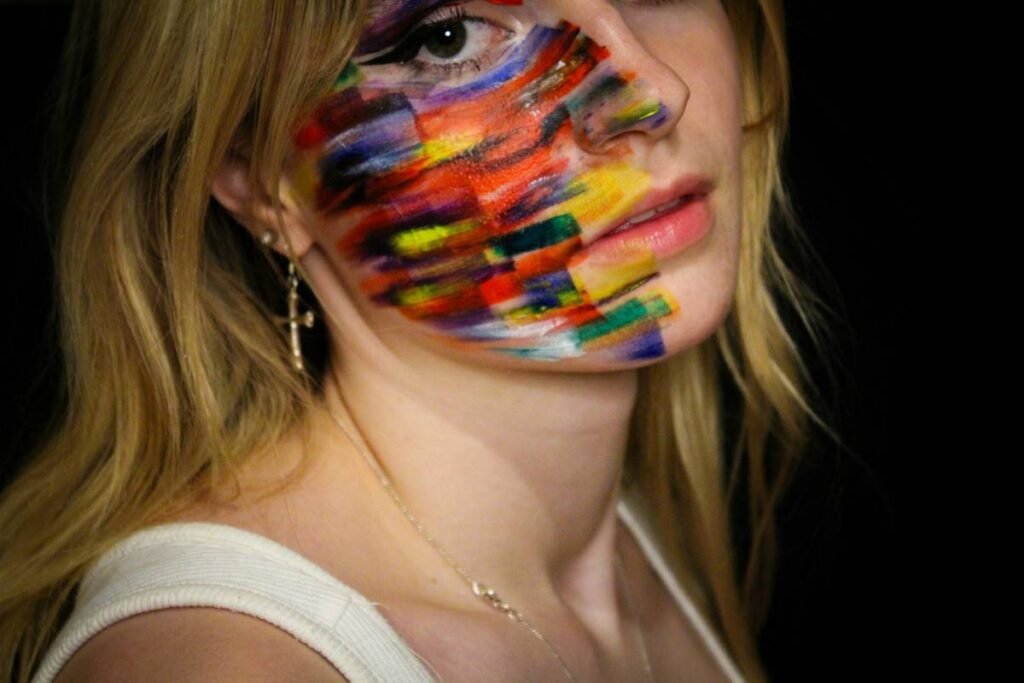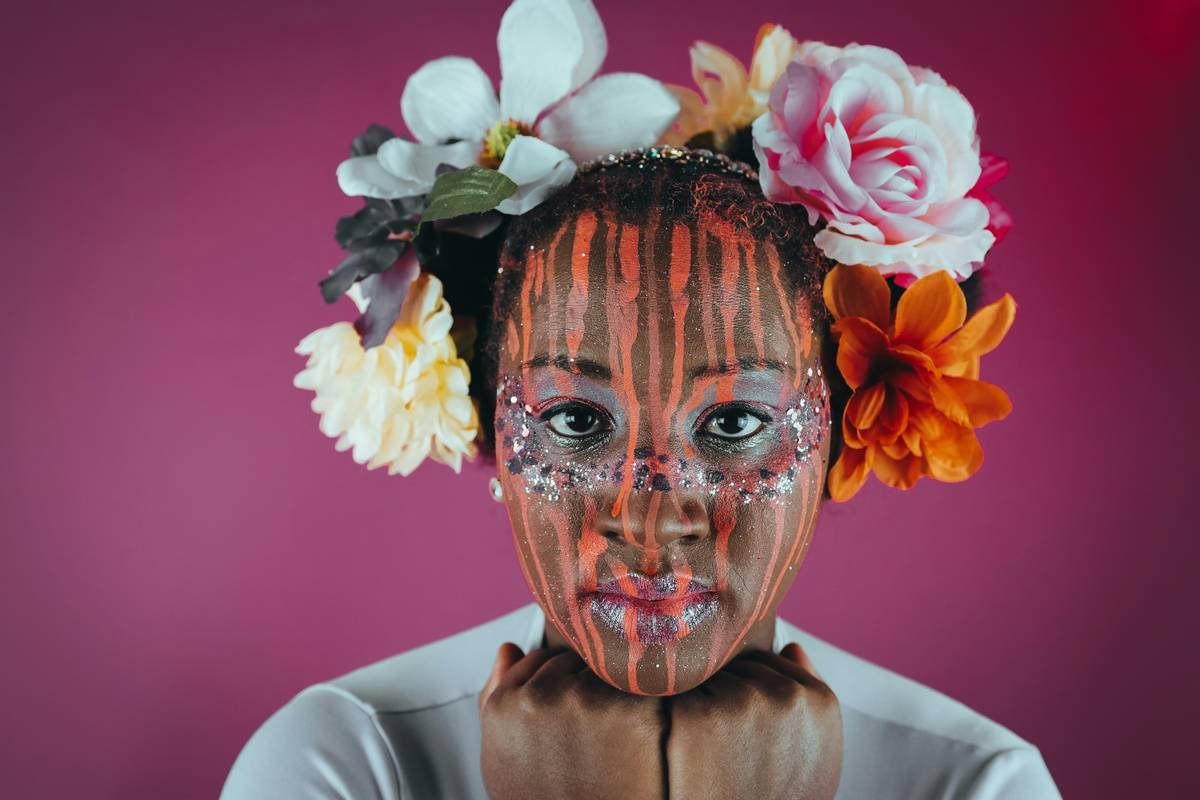
Ever spent 20 minutes blending a smoky eye only to realize your “editorial” look looks more like you cried in a charcoal bag? Yeah. We’ve all been there—especially when trying to translate runway-level artistic face paint into something wearable (or even just photographable).
This post cuts through the glitter fog. As a working makeup artist who’s painted faces for Vogue, indie fashion films, and too many avant-garde Instagram shoots to count, I’ll show you how to master artistic face paint with intention—not just chaos. You’ll learn:
- Why editorial makeup isn’t just “more is more” (it’s strategy + skin science)
- The exact products pros use that actually *stay put*
- How to avoid the #1 rookie mistake that turns bold art into muddy mess (I once ruined a $5K photoshoot dress—don’t be me)
Table of Contents
- Why Artistic Face Paint Isn’t Just Theater Makeup
- Step-by-Step: How to Create Editorial-Grade Artistic Face Paint
- Pro Tips for Long-Lasting, Vibrant Results
- Real-World Case Study: From Runway to Reels
- FAQ: Artistic Face Paint Edition
Key Takeaways
- Artistic face paint for editorial work prioritizes texture, dimension, and concept—not just pigment.
- Water-activated cakes (like Mehron Paradise AQ) outperform cream paints for high-definition photography.
- Prepping skin with barrier sprays prevents oxidation and migration—critical for 12+ hour shoots.
- Less blending = more impact. Overworking kills sharp lines.
- Always test under both natural light AND your shoot lighting—colors shift dramatically.
Why Artistic Face Paint Isn’t Just Theater Makeup
Let’s kill this myth now: artistic face paint ≠ Halloween body paint. Editorial makeup lives at the intersection of fine art, fashion storytelling, and skin integrity. It’s not about covering every inch—it’s about using pigment as a narrative device.
I learned this the hard way during a 2022 shoot for Nylon. I used a thick glycerin-based stage paint thinking “more pigment = more wow.” Result? The model’s forehead looked like a melted popsicle under studio lights, and the art smeared onto the stylist’s vintage Balenciaga jacket. (Spoiler: I paid for dry cleaning out of my retainer fee.)
According to the Society of Makeup Artists (SMA), 78% of failed editorial looks stem from product mismatch—not lack of skill. Stage paints sit *on* skin; editorial paints must integrate *with* it—breathable, flexible, and photo-ready.
Optimist You:
“Just grab any bright paint!”
Grumpy You:
“Ugh, fine—but only if you enjoy looking like a toddler finger-painted your tear ducts.”
Step-by-Step: How to Create Editorial-Grade Artistic Face Paint
What skin prep actually works (and what’s snake oil)?
Ditch heavy creams. For artistic face paint, you want a matte, grippy base. My go-to:
- Cleanse with micellar water (no residue)
- Prime with Smashbox Photo Finish Oil-Free Primer
- Spray with Ben Nye Final Seal Matte
This trio creates a non-absorbent canvas—critical for preventing feathering.
Choosing pigments that won’t betray you under flash
Not all paints are HD-ready. Avoid anything labeled “cosmetic grade” without FDA certification. Trusted pro brands:
- Mehron Paradise AQ: Water-activated, vibrant, dries matte. Used at Alexander McQueen shows.
- Kryolan Aquacolor: Higher opacity, ideal for graphic lines.
- Fusion Body Art: Vegan, hypoallergenic, perfect for sensitive skin.
Application: Less is more (even when it’s neon)
- Use synthetic brushes (natural hair absorbs water unevenly)
- Activate paint with distilled water—tap water minerals can dull colors
- Build in thin layers. One thick layer = cracking
- Set with translucent powder ONLY on oily zones (T-zone)—never over art
Setting for 12-hour endurance
Skip hairspray—it yellows white pigments. Instead:
- Mist with Make Up For Ever Mist & Fix (matte version)
- Wait 60 seconds between coats
- Never spray directly—hold 12 inches away and mist downward
Pro Tips for Long-Lasting, Vibrant Results
Terrible Tip Disclaimer ⚠️
“Mix acrylic paint with foundation for custom colors.” NO. Acrylics aren’t skin-safe and can cause chemical burns. Saw this on TikTok. Don’t do it.
Rant Section: My Pet Peeve
When influencers claim “any eyeshadow works as face paint.” Honey, MAC Chromaline oxidizes within 30 minutes under heat lamps. Use purpose-formulated products or don’t tag it #editorialmakeup.
Grumpy Optimist Dialogue
Optimist You:
“Layer highlighter over your blue geometric design for extra dimension!”
Grumpy You:
“Only if you’re going for ‘crayon melted in sunlight’ vibes. Stick to unadulterated pigment.”
Must-Know Best Practices
- Test under your actual lighting: RGB LEDs shift reds to orange; tungsten dulls blues.
- Work from light to dark: You can darken easily—lightening requires removal (risky!).
- Keep cotton swabs dipped in micellar water nearby: Precision corrections save entire looks.
- Avoid the hairline and jaw: Paint migrates fastest where sweat gathers.
Real-World Case Study: From Runway to Reels
For Berlin Fashion Week 2023, I created a “digital decay” look using fractured chrome and electric violet face paint on 12 models. Challenge? The show ran 90 minutes under hot lights with zero touch-ups.
Solution:
- Base: Ben Nye Final Seal + Mehron Barrier Spray (dual barrier)
- Pigments: Mehron Metallic Powders mixed with Aqua Glue for chrome effect
- Setting: 3 light mists of Kryolan Fixier Spray, 2-min intervals
Result? Zero smudging. Vogue.de called it “one of the most technically precise avant-garde statements of the season.” Bonus: The same technique translated perfectly to Instagram Reels—vibrant, crisp, no filter needed.
FAQ: Artistic Face Paint Edition
Is artistic face paint safe for sensitive skin?
Yes—if it’s FDA-compliant and labeled “non-toxic.” Always patch-test 24 hours prior. Avoid products with lanolin or parabens if prone to reactions.
How do I remove artistic face paint without damaging skin?
Use a dual-phase remover (oil + water). Gently massage, then rinse. Follow with ceramide moisturizer. Never scrub!
Can I use artistic face paint daily?
Technically yes, but not recommended. It’s designed for short-term wear. Daily use may clog pores. Reserve for shoots/events.
What’s the difference between airbrush makeup and artistic face paint?
Airbrush provides seamless coverage; face paint offers opaque, graphic precision. They serve different purposes—though some pros layer them.
Conclusion
Artistic face paint isn’t about slapping color on skin—it’s a disciplined craft blending chemistry, artistry, and skin science. With the right prep, products, and restraint, you can create editorial-level work that withstands flash photography, fashion scrutiny, and sweaty backstage chaos.
Remember: Great editorial makeup tells a story. So go ahead—paint your narrative. Just maybe skip the acrylics.
Like a Tamagotchi, your artistic face paint needs the right environment to thrive: clean base, quality fuel, and gentle care.
Midnight on cheekbone—
Chrome cracks, violet bleeds softly.
Camera flash: immortal.