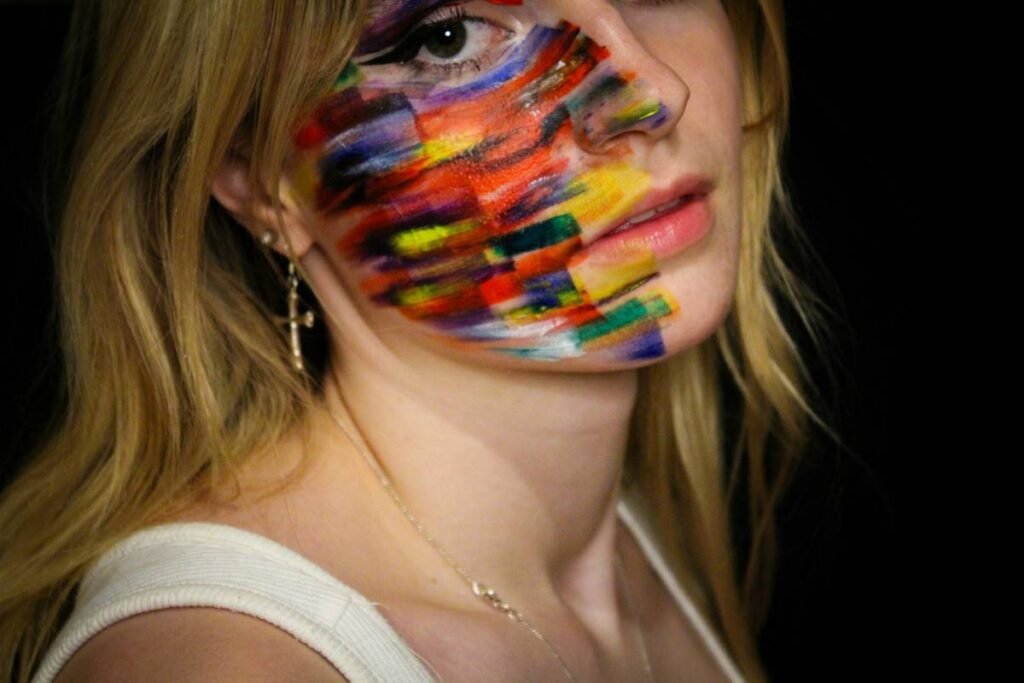
Most editorial makeup artists recycle the same smoky eyes and winged liner—safe, predictable, and utterly forgettable. In a saturated visual landscape, blending in is career suicide. The solution? innovative eye designs that fuse architecture, emotion, and pigment to stop scrollers dead in their tracks.
Why Classic Techniques Fail in Avant-Garde Spaces
Traditional eye makeup relies on symmetry, soft gradients, and anatomical realism. But avant-garde editorial demands disruption—not harmony. It’s not about enhancing features; it’s about weaponizing them. And that’s where classic brushes, palettes, and tutorials collapse under pressure.
Here’s the reality: your 12-shade neutral palette won’t cut it when you’re tasked with turning an eyelid into a topographic map or conjuring liquid chrome tears. The tools, mindset, and references need radical recalibration.
Mastering Innovative Eye Designs: A Practitioner’s Blueprint
This isn’t about random slashes of color. Precision meets provocation. Below is a distilled workflow used by top-tier editorial artists behind Vogue Italia and i-D shoots—tested under strobes, sweat, and HD scrutiny.
Selecting Your Conceptual Anchor
Start with narrative—not product. Is your design commenting on digital overload? Climate grief? Futurism? Without a thesis, you’re just painting skin, not creating meaning.
Surface Prep Beyond Primer
Forget standard eyeshadow base. For metallic foils or water-based paints, use alcohol-activated setting sprays or silicone-free adhesives. This ensures longevity without compromising texture integrity.
Pigment Layering Strategy
Dry-on-dry fails under gallery lighting. Mix cream pigments with castor oil for dimensionality. Apply gel liners with micro-liners before powdering. Layer from matte to gloss—not the reverse.
| Technique | Materials Required | Run Time (Per Eye) | Durability (Hours) |
|---|---|---|---|
| Geometric Foil Embedding | Adhesive medium, foil scraps, sealant | 22 min | 8–10 |
| Liquid Light Trails | Pigmented resin, fine-tip applicator | 18 min | 6–7 |
| Negative Space Carving | Matte foundation, precision sponge, tape | 15 min | 9+ |
The Industry Secret Nobody Talks About
Clean brushes don’t guarantee clean lines. The real differentiator? controlled imperfection. Top artists intentionally smudge one edge or leave a raw pigment streak—because flawless = synthetic, and synthetic = soulless in editorial contexts.
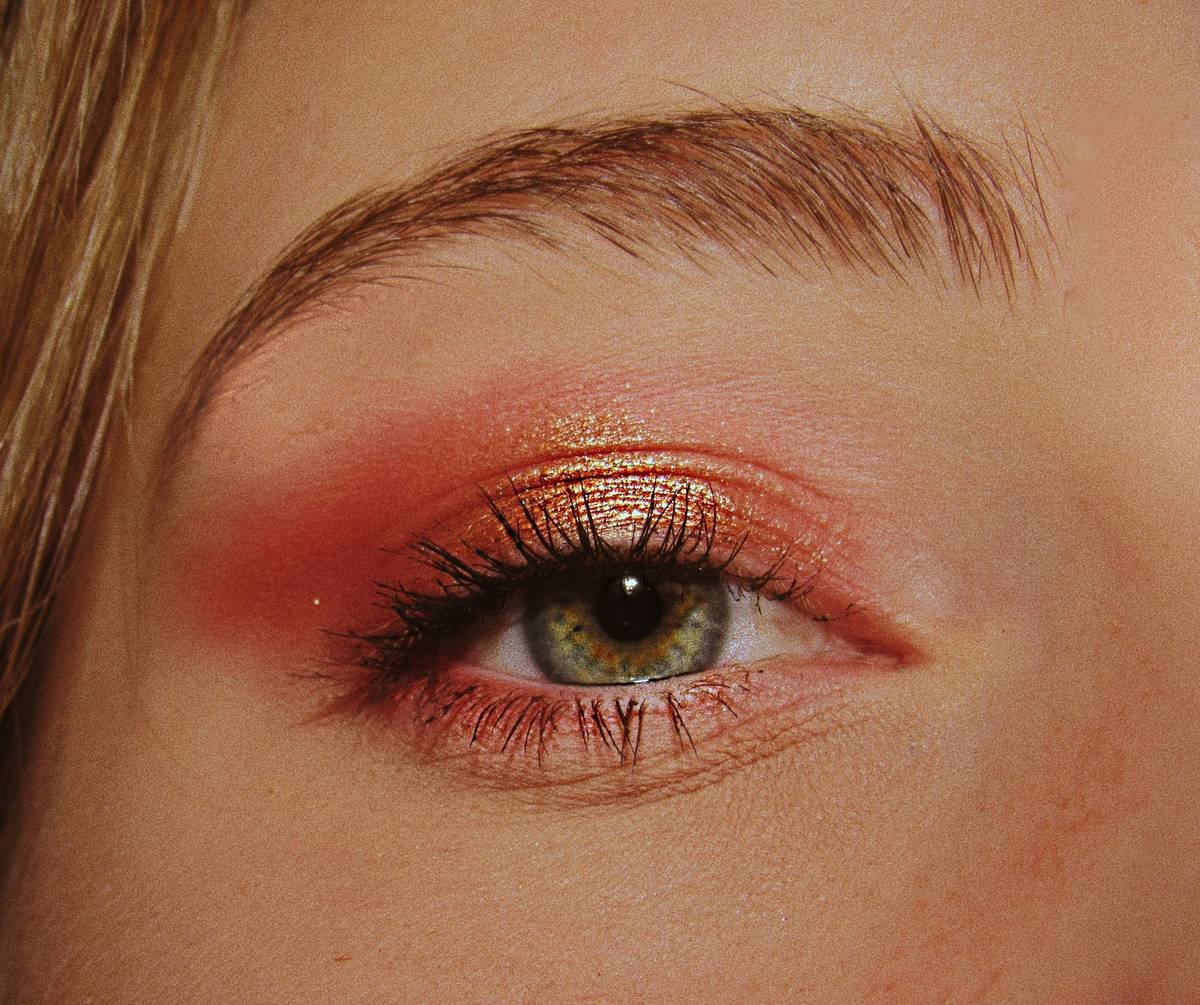
Think about it: the most iconic innovative eye designs (see Pat McGrath’s 2022 Met Gala looks) always contain one “happy accident.” That’s not luck. It’s calculated vulnerability. Editors crave humanity—not Photoshop-perfect vectors.
Frequently Asked Questions
How do I prevent innovative eye designs from smudging during photoshoots?
Use a dual-phase sealant: first, a translucent setting spray, then a light dusting of silica powder only on high-friction zones (brow bone crease, lower lid margin).
Can I create editorial-level innovative eye designs with drugstore products?
Absolutely—but selectively. Drugstore gel liners and mixing mediums work if layered over professional-grade pigments. Never compromise on adhesive quality; that’s where budget formulas fail catastrophically.
What’s the biggest mistake beginners make with avant-garde eye art?
Overcomplicating. Start with one disruptive element—a single slash of iridescent paint or an unexpected void—and build outward. Less chaos, more intention.