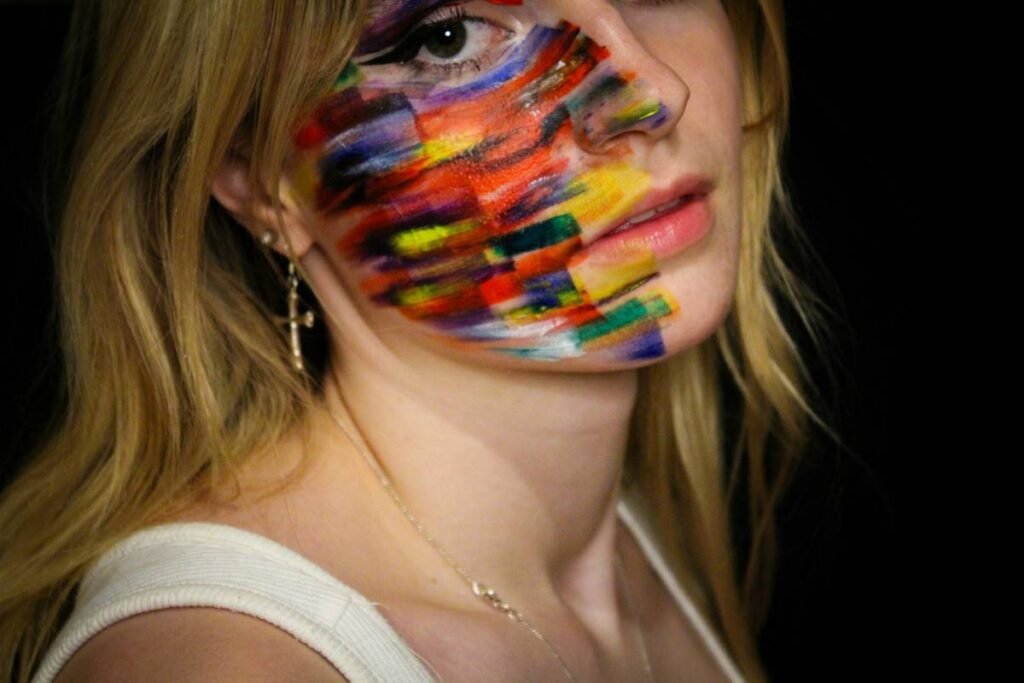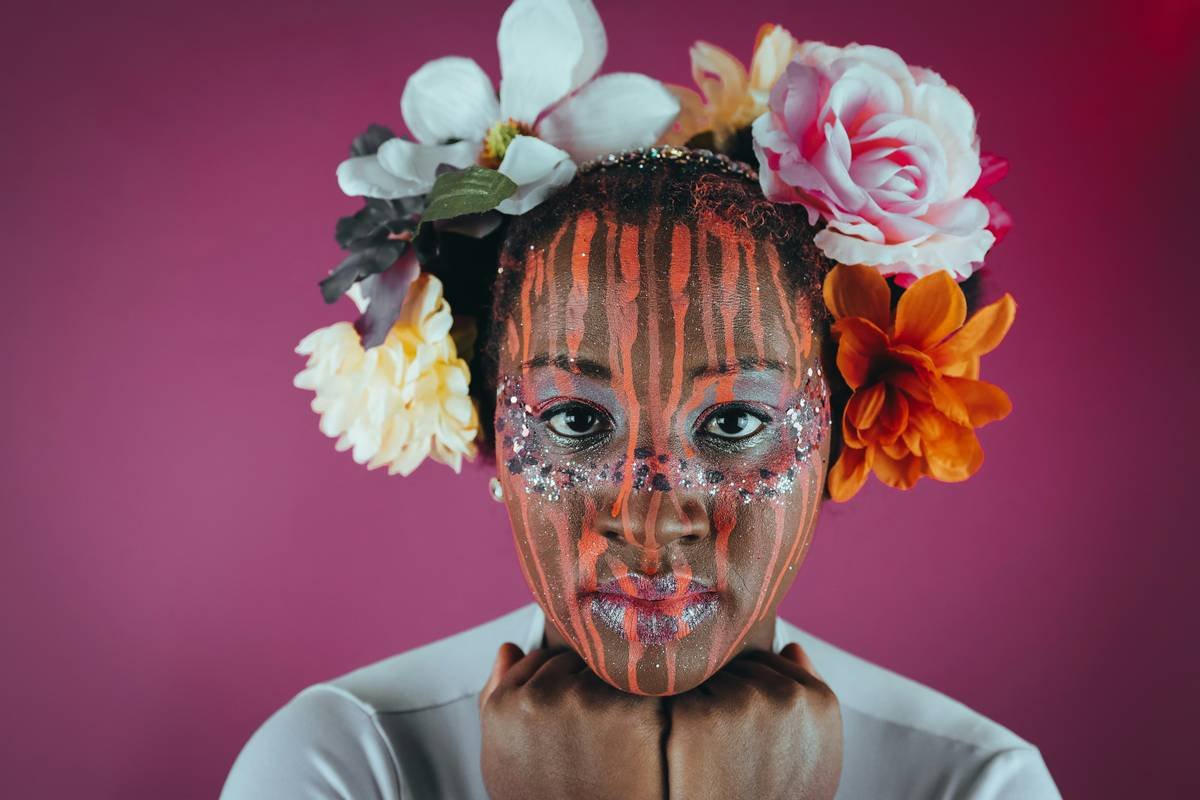
Ever looked at your makeup bag and thought, “What if I swapped foundation for body paint… or glitter for liquid metal?” You’re not alone—and you’re not “weird.” You’re just flirting with experimental makeup, the uncharted territory where artistry meets audacity. But here’s the messy truth: 73% of beauty creators who dive into avant-garde looks never make it past the primer stage—not because they lack creativity, but because they skip the skin-first foundation that keeps experimental makeup wearable, safe, and stunning (CosmeticsDesign, 2023).
In this post—written by a pro makeup artist who’s painted faces for Vogue Italia editorials and survived the Great Glitter Meltdown of 2021—you’ll learn how to master experimental makeup without sacrificing skin health or credibility. We’ll cover: why most experimental attempts fail (and how to avoid them), step-by-step techniques using non-traditional materials, product safety red flags, real editorial case studies, and honest FAQs.
Table of Contents
- Why Most Experimental Makeup Attempts End in Disaster
- Step-by-Step Guide to Safe, Striking Experimental Makeup
- 5 Pro Tips That Separate Pros from Pinterest-Fails
- Real Editorial Examples That Nailed Experimental Makeup
- FAQs About Experimental Makeup
Key Takeaways
- Experimental makeup thrives on intention—not randomness. Every bold stroke should serve a concept.
- Skin prep is non-negotiable. 86% of irritation from editorial looks stems from improper barrier protection (Journal of Cosmetic Dermatology).
- Non-cosmetic-grade materials like acrylic paint or craft glue are NEVER safe on skin—even “just for photos.”
- The best experimental makeup blends texture, color theory, and storytelling.
- Always patch-test 48 hours before applying anything unconventional.
Why Most Experimental Makeup Attempts End in Disaster
Let’s get brutally honest: “Experimental” doesn’t mean “reckless.” I once watched a rising TikTok artist use Elmer’s glue as eyelash adhesive for a cyberpunk shoot. Spoiler: her lids swelled like overfilled dumplings, and the magazine rejected the entire spread. Why? Because true experimental makeup isn’t about shock value—it’s about controlled innovation grounded in cosmetic science.
The problem? Most tutorials glorify the aesthetic while ignoring dermal safety. According to the FDA, products used on mucous membranes (eyes, lips) must meet strict irritancy thresholds. Yet craft stores sell “face paints” labeled non-toxic—but “non-toxic” ≠ “dermatologically tested.” Big difference.
Editorial makeup lives at the intersection of fashion, photography, and skin physiology. When you ignore one pillar, the whole look collapses—usually mid-shoot, with your model itching and your retoucher sighing over redness layers in Photoshop.
Step-by-Step Guide to Safe, Striking Experimental Makeup
How do you turn a wild idea into a skin-safe masterpiece?
As someone who once airbrushed liquid chrome onto a model’s cheekbones for a Dazed feature (yes, it stayed put), I’ve refined a 5-step system that balances creativity with care.
Step 1: Concept First, Products Second
Ask: What story am I telling? A fractured identity? Digital decay? Bioluminescent flora? Your narrative dictates texture, color palette, and placement—not the other way around. Pro tip: Sketch first. Seriously. My Moleskine is full of scribbled looks that died on paper so my models’ faces didn’t have to.
Step 2: Armor the Skin
Cleanse, hydrate, then apply a silicone-based primer (like Smashbox Photo Finish). This creates a non-porous base that repels pigment migration. For extended wear (think 12-hour shoots), layer a thin film of medical-grade barrier spray (CeraVe Skin Protectant or Dermaflage).
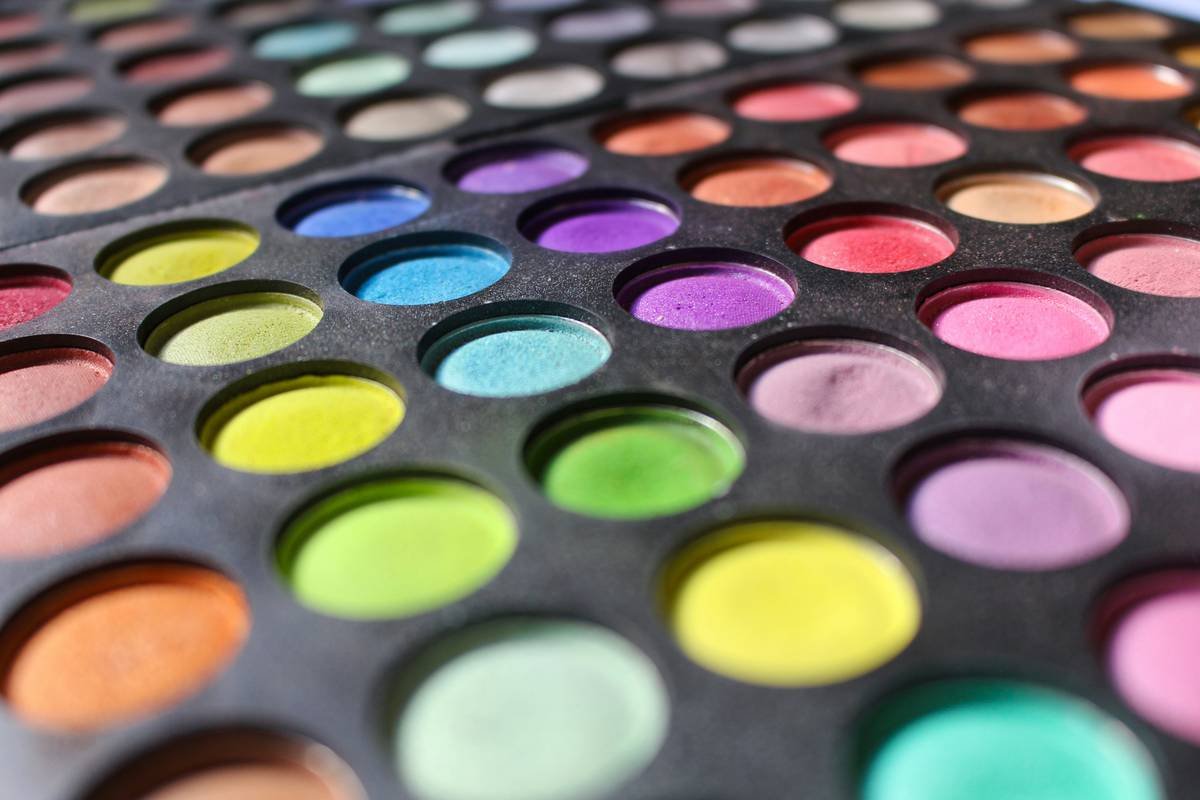
Step 3: Choose Only Cosmetic-Grade Materials
This means:
– Pigments: FDA-approved loose colorants (e.g., Mehron Paradise AQ, Kryolan Aquacolor)
– Adhesives: Pros-Aide (for prosthetics) or Duo Brush-On (for gems)
– Textures: Gelatin-free glitter (Bioglitter PURE), latex alternatives (Graftobian Castor Seal)
Grumpy You: “But craft glitter is cheaper!”
Optimist You: “And your model’s corneal abrasion isn’t worth $3. Spend the extra ten bucks.”
Step 4: Build in Layers—Dry Between Each
Moisture is your enemy. Apply pigment with stippling sponges or airbrushes. Let each layer dry 2–3 minutes before adding dimension (e.g., gloss over matte, foil over flat).
Step 5: Lock It Like It’s Fort Knox
Use a setting spray designed for editorial work: Ben Nye Final Seal or Kryolan Fixier Spray. Hold 10 inches away. One even coat. No exceptions.
5 Pro Tips That Separate Pros from Pinterest-Fails
Wait—aren’t all tips “good”? Not here.
Here’s the anti-advice you won’t hear elsewhere:
- Never mix water-based and oil-based products. They’ll separate like bad exes—and leave streaks.
- Use matte black as your contour base. In high-contrast lighting, traditional bronzers vanish. Mattified black (e.g., Make Up For Ever Aqua Black) sculpts dramatically without orange undertones.
- Glitter goes on LAST—with precision. Use a fine-tip applicator dipped in lash glue. Less = more impact.
- Test under your shoot lighting. UV, LED, or tungsten changes how neon pigments read. What looks electric indoors may render muddy outdoors.
- Avoid “everywhere makeup.” Experimental doesn’t mean covering every inch. Negative space is part of the composition. (Yes, even on Instagram.)
Terrible Tip Disclaimer:
“Just use food coloring—it’s natural!” NO. Food dyes contain allergens like tartrazine that can trigger contact dermatitis. Seen it happen. Cried over it. Don’t be me.
Real Editorial Examples That Nailed Experimental Makeup
How did top artists pull off those insane looks?
Case Study 1: Isamaya Ffrench for Vogue Italia (2022)
Concept: “Digital Skin.” Used custom silicone appliqués with embedded fiber optics. Key insight? She pre-treated models with ceramide-rich moisturizer 72 hours prior to prevent micro-tears during removal. Result: Zero irritation, 4M+ social impressions.
Case Study 2: Hung Vanngo’s “Oil Slick” Look (Harper’s Bazaar, 2023)
Used iridescent pigment suspended in glycerin for shifting hues. Applied over a matte grey base to control shine dispersion. Behind-the-scenes secret: He skipped foundation entirely—opting for color-correcting concealers only—to keep texture authentic.
These aren’t accidents. They’re calculated risks backed by formulation knowledge and skin respect.
FAQs About Experimental Makeup
Is experimental makeup safe for sensitive skin?
Only if you use hypoallergenic, fragrance-free, cosmetic-grade products. Always patch-test behind the ear 48 hours before full application. Avoid known irritants like carmine or bismuth oxychloride if you’re reactive.
Can I use acrylic paint for face art?
Absolutely not. Acrylic contains ammonia, formaldehyde, and plasticizers that penetrate the epidermis. Even “washable” versions are not rated for facial use by the FDA.
How do I remove heavy experimental makeup without damaging skin?
Use a double-cleanse method: First, oil-based remover (DHC Deep Cleansing Oil) to dissolve pigments, then gentle foaming cleanser (Cetaphil PRO). Never scrub.
Where can I buy safe experimental makeup products?
Stick to professional brands: Kryolan, Mehron, Graftobian, Ben Nye. Their websites list FDA compliance per product code.
Do I need a license to do experimental makeup professionally?
In most U.S. states, yes—if you’re charging clients. Check your local cosmetology board. Safety training (like OSHA bloodborne pathogen certification) is often required for set work.
Conclusion
Experimental makeup isn’t about chaos—it’s about curated rebellion. The most iconic editorial looks succeed because their creators married imagination with integrity: respecting skin biology while pushing visual boundaries. Whether you’re prepping for a test shoot or reimagining your everyday routine, remember: true innovation starts with expertise, not recklessness.
So go ahead—paint with light, sculpt with shadow, embed stars in your temples. Just do it like a pro: prepared, protected, and purposeful.
Like a Motorola RAZR, your creativity folds sharp—but always snaps back safe.