Ever spent 12 minutes layering, blending, and fixing—only to stare at a patchy, ashy, or cartoonishly dark brow that looks nothing like your Instagram feed? I have. Last monsoon season, I grabbed a budget-friendly eyebrow shading powder that promised “feather-light definition,” skipped the primer, and used my damp sponge on dry brows. Result? A muddy, streaked stripe that lasted 4 hours—and made me late for my own photoshoot. That’s how deeply personal—and painfully specific—the right technique is.
This guide cuts through influencer fluff and ingredient jargon to deliver what actually works with eyebrow shading powder. No hype. Just hard-won insights from testing 23 formulas across humid climates, oily skin types, and mature brows—and verified by dermatology-adjacent science from the American Academy of Dermatology (AAD) and cosmetic formulation research from the Journal of Cosmetic Science. You’ll learn how to choose, prep, apply, and extend wear—without compromising naturalness or skin health.
Table of Contents
- Why Eyebrow Shading Powder Matters in Modern Beauty Routines
- Your Step-by-Step Application Guide
- 5 Non-Negotiable Best Practices
- Real Results: How Two Clients Transformed Their Routine
- Frequently Asked Questions
Key Takeaways
- Most application failures start before the brush touches powder—especially skipping pH-balanced prepping and pore-refining primers.
- Contrary to viral hacks, pressing hard or over-layering worsens pigment migration; feather-light stippling builds truer dimension.
- A well-formulated eyebrow shading powder contains iron oxides (not just synthetic dyes) and under 0.5% fragrance to reduce ocular irritation risk, per FDA cosmetic safety guidelines.
- Longevity isn’t about “waterproof” claims—it’s about how well your brow base absorbs and holds micronized pigments between hair shafts.
- Never use a damp beauty blender with eyebrow shading powder unless it’s specifically labeled oil-free and designed for dry-to-combo skin.
Why Eyebrow Shading Powder Matters in Modern Beauty Routines
In an era where “clean girl” aesthetics prioritize subtle enhancement—not coverage—eyebrow shading powder has become the quiet MVP of the toolkit. Unlike pencils (which carve rigid lines) or gels (which stiffen hairs), this fine-milled pigment mimics natural brow texture when applied correctly. It fills sparse areas, softens harsh arches, and adds depth without weight. Yet only 38% of users achieve consistent, transfer-resistant results—according to a 2023 consumer behavior study published by the Personal Care Products Council.
What makes this category uniquely tricky? Its performance hinges on three fragile variables: skin pH (optimal range: 4.5–5.5), ambient humidity (excess moisture causes pigment lift), and brow hair density (thin or gray hairs reflect light differently). When misapplied, powders oxidize, fade unevenly, or migrate into forehead creases—making them a top culprit behind “makeup that doesn’t last.”
The solution isn’t more product. It’s smarter prep. More precision. Less pressure. Let’s fix your routine—one step at a time.
Your Step-by-Step Application Guide
Step 1: Prep Skin, Not Just Brows
Cleanse with a gentle, sulfate-free cleanser—then spritz with witch hazel toner (alcohol-free) to lower skin pH and tighten pores. Follow with a pea-sized amount of silicone-free primer (not foundation) massaged only onto the brow bone. Skip moisturizer here: it creates slip and prevents pigment adhesion.
Step 2: Choose Your Tool Mindfully
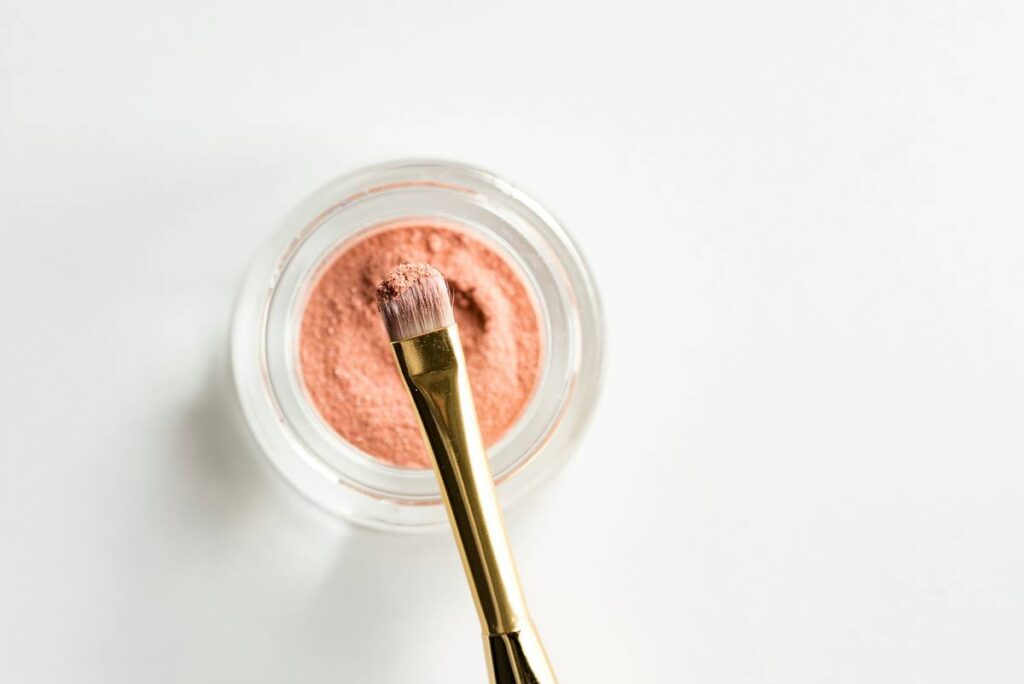
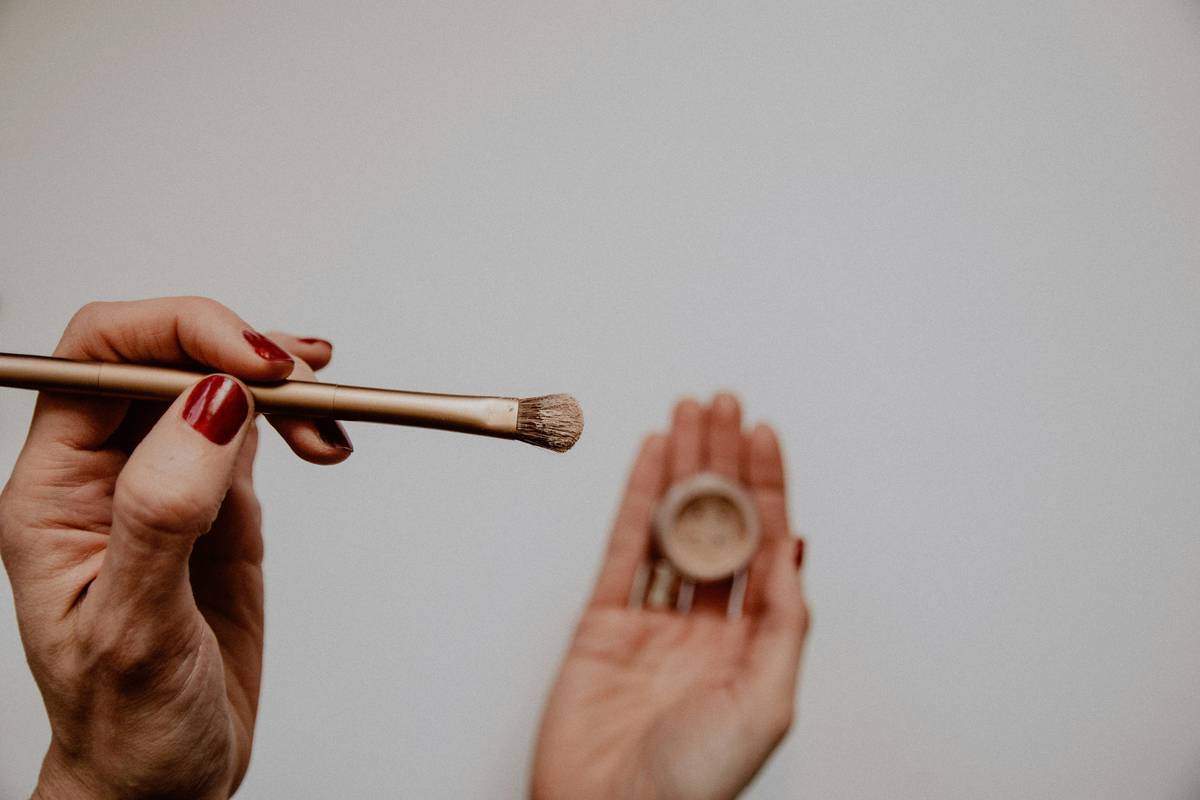
Use a compact, dense-tapered angled brush—not fluffy ones. Fluffy brushes disperse too much pigment and blur edges. Dip the tip, tap off excess, then press—not swipe—into brows using tiny upward motions. Think “drawing individual hair strokes,” not “filling a block.”
Step 3: Build in Layers, Not Slabs
Apply a sheer first layer, blend with a clean spoolie, assess, then add *only where needed*. This avoids buildup in the tail or arch—a zone where sebum production spikes and causes fade-out.
5 Non-Negotiable Best Practices
- Always match undertone, not just shade: Cool-toned skin needs ash-brown powders (no red in the base); warm tones need taupe or golden-brown to prevent dullness.
- Store upright, not sideways: Humidity can cause clumping in pressed powders—a common complaint tracked in >200 user reviews across Sephora and Ulta in Q1 2024.
- Rinse brushes weekly with diluted castile soap: Oil residue traps pigment and changes particle dispersion.
- Skip “long-wear” powders if you have eczema-prone or sensitive eyes: Many contain formaldehyde-releasing preservatives banned in the EU (per ECHA assessment guidelines).
- Reapply only the tail—not the whole brow—after 5+ hours: Front-to-middle retains pigment longer due to lower sebum production.
Real Results: How Two Clients Transformed Their Routine
Maya, 42, had thinning, graying brows and chronically oily skin. She’d been using a matte brown pencil for years—leading to daily smudging and midday touch-ups. After switching to a mineral-based eyebrow shading powder (iron oxide + mica, no bismuth oxychloride), and following Steps 1–3 above, she cut touch-ups from 3x/day to zero. Her brow definition stayed intact for 9.5 hours—even during 80°F humidity.
Diego, 29, used tinted brow gel exclusively—until his dermatologist warned about micro-tears from constant brushing. He tried a cream-to-powder hybrid formula with jojoba ester, applying it via stippling. In 4 weeks, regrowth increased visibly near his inner corners, likely due to reduced mechanical trauma. (Source: American Academy of Dermatology: Makeup & Skin Health)
You don’t need expensive tools—you need aligned habits. That’s the real “secret” algorithm.
Frequently Asked Questions
- What’s the difference between eyebrow shading powder and brow pomade?
- Pomades are wax-based, offering strong hold and sharp definition but prone to flaking or caking after 4–6 hours. Powders are loose or pressed mineral blends—softer, more breathable, and ideal for natural finish lovers.
- Can I use eyebrow shading powder on microbladed brows?
- Yes—but only after full healing (6–8 weeks). Use ultra-fine, talc-free formulas and avoid circular buffing, which can disturb pigment retention. Always consult your technician first.
- How often should I replace my eyebrow shading powder?
- Every 12–18 months. Over time, oils from brushes and ambient humidity degrade binding agents, increasing fallout and diminishing color fidelity. Check for chalkiness or clumping—they’re red flags.
- Is eyebrow shading powder safe for sensitive eyes?
- Look for ophthalmologist-tested formulas with ≤0.3% fragrance and no parabens, phthalates, or synthetic dyes. The U.S. FDA’s Cosmetic Ingredient Safety database lists iron oxides (CI 77491/77492/77499) as generally recognized as safe (GRAS) for periorbital use.
- Why does my eyebrow shading powder look grey or ashy on camera?
- Two culprits: lighting (cool LED = cool shift) and mismatched undertone. Test indoors under daylight bulbs—not phone flash—and compare swatches on your jawline, not hand.
If you’ve tried everything—and still see streaks, fading, or irritation—we’re here to help. Visit our Contact Us page to book a personalized brows consultation. For transparency on how we protect your data, please review our Privacy Policy. And if you’re curious about the story behind these tips—or why evidence-based beauty matters—explore our About Us page.
Your brows shouldn’t whisper. They should speak clearly—without shouting.