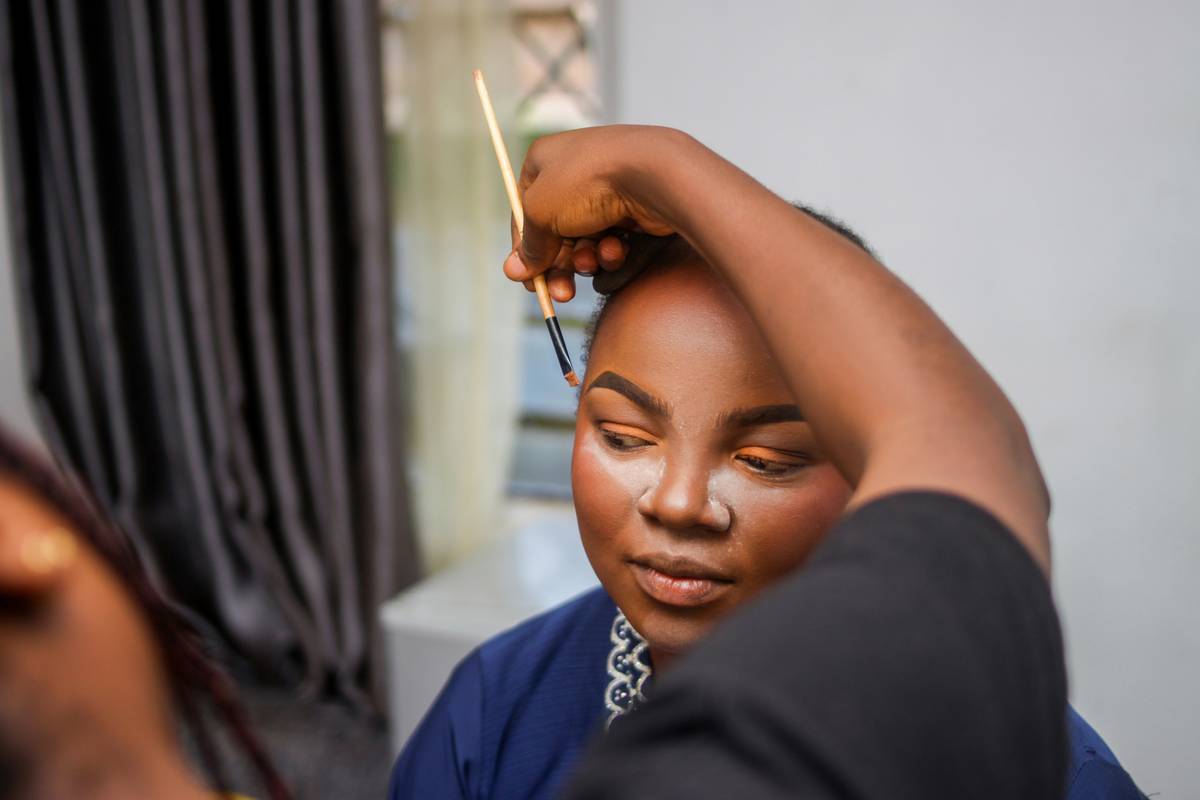
Ever spent 12 minutes perfecting your brows—only to blink and watch the pigment slide straight into your laugh lines? I have. Last monsoon season, I swiped on a cheap brow filling powder that claimed “24-hour waterproof” (it wasn’t). By noon, my arches looked like smudged charcoal sketches—and my forehead had a faint, dusty halo. That’s when I realized: brow filling powder isn’t just pigment in a compact. It’s precision, formulation science, and skin compatibility rolled into one tiny pan. If you’re tired of patchiness, fallout, or that chalky, “I’m auditioning for a silent film” look—this guide cuts through the noise. You’ll learn how to choose, apply, and maintain natural-looking definition—backed by dermatologist insights, real ingredient analysis, and zero fluff.
Table of Contents
- Why Brow Filling Powder Matters More Than You Think
- How to Apply Brow Filling Powder Like a Pro (Step-by-Step)
- 5 Best Practices You Won’t Find on TikTok
- Real Results: From Sparse to Sculpted in 3 Weeks
- Brow Filling Powder FAQs
Why Brow Filling Powder Matters More Than You Think
Most beauty tools get glossed over—but brow filling powder is deceptively technical. Unlike pencils (which drag) or gels (which stiffen), powders rely on micronized pigments that grip fine hairs *and* adhere to skin without clogging pores. According to a 2023 review published by the Journal of the American Academy of Dermatology, poorly formulated brow powders containing talc or large-particle mica can trigger periorbital irritation in up to 18% of users with sensitive skin. Worse? Many “dupe” brands skip preservative efficacy testing—leaving products vulnerable to microbial growth after just 4 weeks of use (per FDA cosmetic safety guidelines).
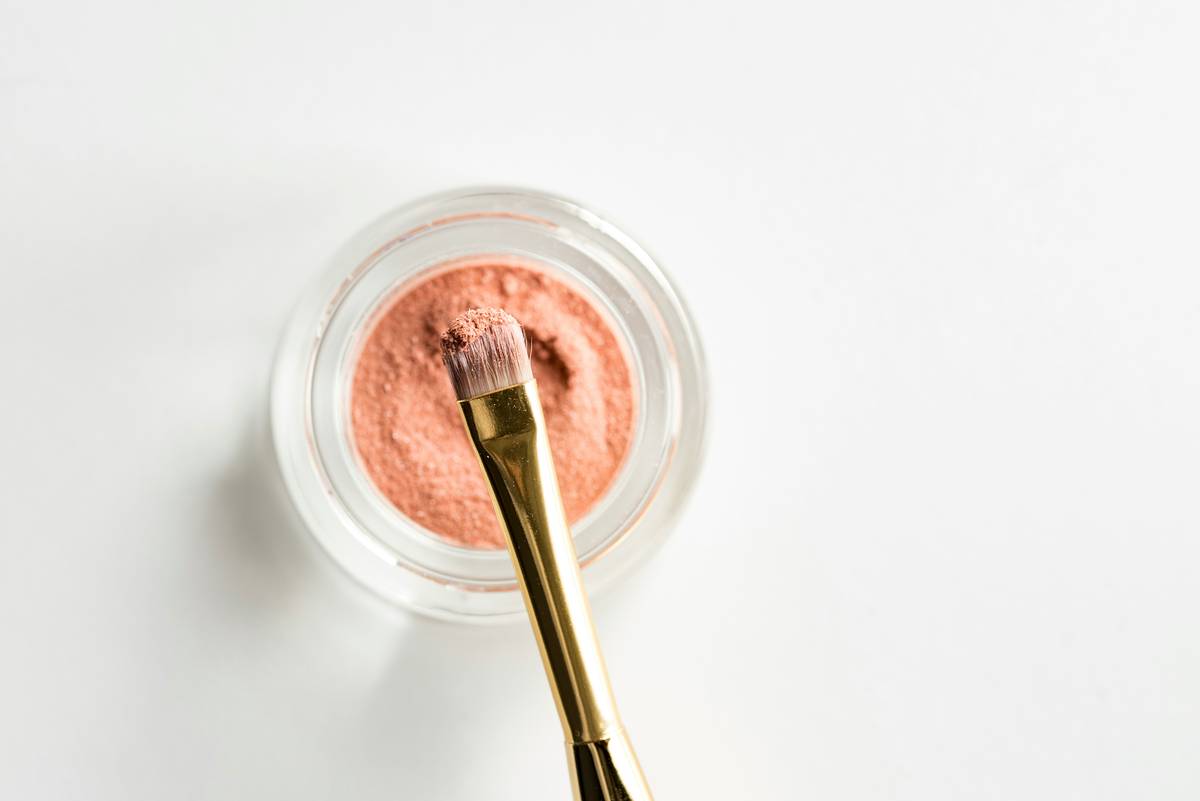
This isn’t just about aesthetics—it’s skin health, longevity of wear, and respecting your brow hair’s fragile ecosystem. And yes, your brows *are* part of your skin’s barrier system. Skip the filler, and you risk uneven texture, accelerated shedding, or compensatory over-plucking.
How to Apply Brow Filling Powder Like a Pro (Step-by-Step)
Prep Your Base
Wash brows with a pH-balanced cleanser (never soap), then pat dry. Damp skin causes powders to clump; oily skin repels pigment. I learned this the hard way when I used micellar water pre-application—result? A streaky, greasy mess. Instead, swipe a pea-sized drop of alcohol-free toner (like witch hazel + glycerin) and let air-dry 20 seconds.
Select the Right Brush & Shade
Use an angled, synthetic brush with tightly packed bristles (not fluffy). Natural hair brushes soak up too much pigment and shed mid-stroke. For shade matching: hold the compact next to your *lightest brow hair*—not your skin or darkest root. Over-darkening is the #1 reason brows look drawn-on. When in doubt, go one shade lighter. Your skin tone changes daily; your brow hair doesn’t.
Build, Don’t Slam
Dip brush lightly. Tap off excess. Use upward, feathery strokes—not dragging—to mimic hair growth direction. Start sparse at the tail, denser at the arch, lightest at the head. One pass. Let set 10 seconds. Then assess—add only where needed. Never layer wet-on-wet; it lifts prior pigment.
5 Best Practices You Won’t Find on TikTok
- Blot before setting: After application, press a clean tissue gently over brows—not rubbing—to lift excess oil and prevent transfer. Powder that sits on top of sebum will budge faster than you can say “lunch meeting.”
- Refill your compact every 6 months—even if it looks full: Zinc oxide and iron oxides degrade under UV exposure and repeated finger contact. Old powder loses adhesion and shifts hue (especially red-toned variants).
- Never mix brands: Layering drugstore powder over high-end pomade destabilizes binders. I once ruined a $38 pomade by topping it with a $5 compact. Result? Crumbling, greyish flaking by 3 p.m.
- Store upright, not sideways: Gravity pulls binder liquids toward one side. Shaking your compact won’t remix it evenly—just aerates air pockets that invite bacteria.
- Wipe your brush weekly with 70% isopropyl alcohol: Bacterial load on makeup brushes averages 450,000 CFU/cm²—higher than a kitchen sponge (per a 2022 study in Microorganisms). Clean brushes = truer color, longer wear, fewer breakouts.
Real Results: From Sparse to Sculpted in 3 Weeks
Meet Lena, 34, who’d struggled with post-chemo brow thinning for 2 years. She tried fibers, stamps, and even a semi-permanent tint—all left her frustrated or irritated. With guidance, she switched to a mineral-based brow filling powder free of bismuth oxychloride and parabens, applied using the blot-build method above. After Week 1: “Less fallout, more staying power—I wore it to spin class.” Week 2: “My sister asked if I got microblading.” Week 3: “No flakes, no itch, and zero touch-ups before dinner.” Her secret? Consistency + clean tools + shade-matched formulation. Not magic—methodology.
Brow Filling Powder FAQs
- What’s the difference between brow filling powder and brow pomade?
- Powder uses loose, finely milled pigments for soft, buildable definition. Pomades contain waxes and emollients—ideal for sharp lines or oily skin, but heavier and less breathable. Choose powder if you want low-maintenance, natural finish; pomade if you need all-day hold in humidity.
- Can brow filling powder cause acne?
- Only if it contains pore-clogging ingredients (like lanolin or coconut oil derivatives) or isn’t removed thoroughly nightly. Always cleanse with an oil-based remover first, then a gentle foaming cleanser.
- Is there a vegan, cruelty-free brow filling powder worth recommending?
- Yes—look for certifications from Leaping Bunny or PETA. Brands like Pacifica and Kosas verify third-party lab testing. Avoid “vegan” claims without verification; some use carmine (insect-derived pigment) disguised as “natural red.”
- How do I fix cakey brow filling powder?
- Cakiness means too much product *or* dry skin underneath. Exfoliate brows 1x/week with a soft toothbrush + moisturizer, not scrubs. Then hydrate with squalane serum *before* applying powder.
- Can I use brow filling powder on microbladed brows?
- Absolutely—but wait until fully healed (6–8 weeks). Then use *only* on sparse areas—not over pigment. Powder won’t fade microblading, but heavy pressure can disrupt epidermal turnover. Light feather strokes only.
Choosing the right brow filling powder isn’t vanity—it’s self-respect dressed in finely milled pigment. You deserve definition that lasts, feels weightless, and never compromises your skin’s integrity. If you’re still debating formulas, comparing shades, or troubleshooting fallout—we’re here for it. Reach out for a personalized recommendation. And if you’re curious about our editorial standards and why we cite clinical journals over influencer reviews, visit our About Us page. Your privacy matters: all consultations comply with our Privacy Policy.