Ever stared into your makeup bag—overflowing with pigment pots, gel liners, and chrome powders—and still felt creatively paralyzed? You’re not alone. In a world where “clean girl” aesthetics dominate feeds, daring to go bold can feel like shouting in a library. But here’s the truth: Bold Creativity isn’t just about color—it’s about conviction, craft, and courage.
This post is for makeup artists, beauty students, and fearless creators who crave more than blending tutorials. You’ll discover how editorial makeup transforms faces into canvases, learn pro techniques that survive harsh studio lighting, and avoid rookie mistakes that turn avant-garde into amateur hour. We’ll unpack industry secrets from backstage at Paris Fashion Week to my own cringe-worthy early gigs (yes, I once glued rhinestones with school glue—don’t ask).
Table of Contents
- Why Editorial Makeup Demands Bold Creativity
- How to Master Bold Creativity: Step-by-Step
- Pro Tips for Fearless Editorial Makeup
- Real-World Case Studies: Bold Done Right
- Bold Creativity FAQs
Key Takeaways
- Bold Creativity in editorial makeup requires technical precision—not just wild color choices.
- Skin prep and longevity are non-negotiable; high-fashion shoots last 12+ hours under hot lights.
- Reference boards, mood collages, and fabric swatches are essential for cohesive storytelling.
- The most impactful looks balance innovation with intention—chaos without concept reads as messy, not magical.
Why Editorial Makeup Demands Bold Creativity
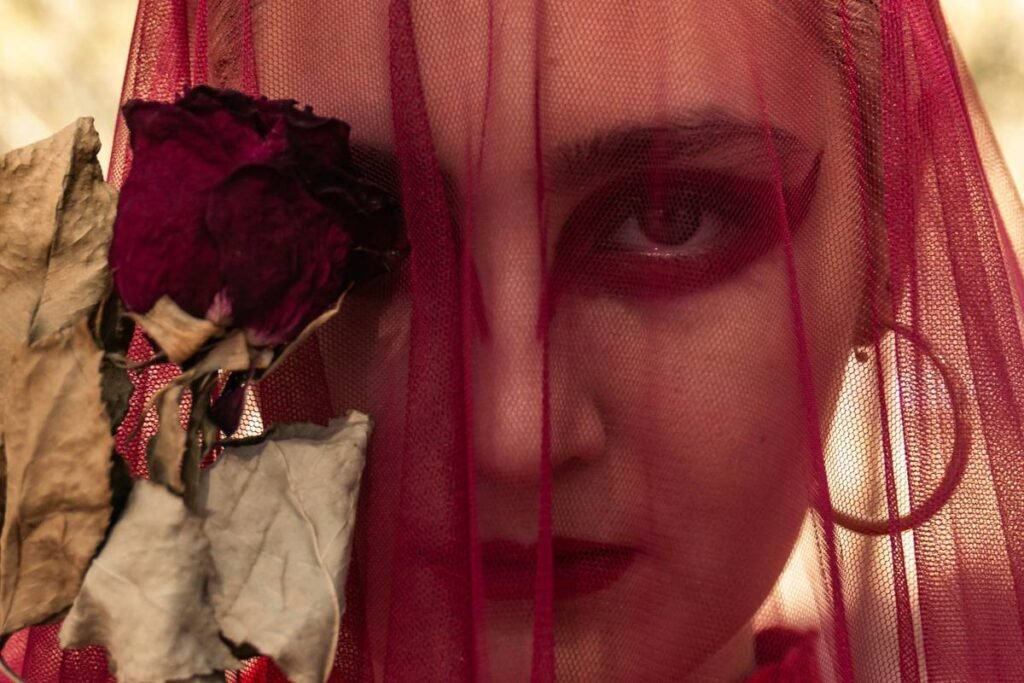
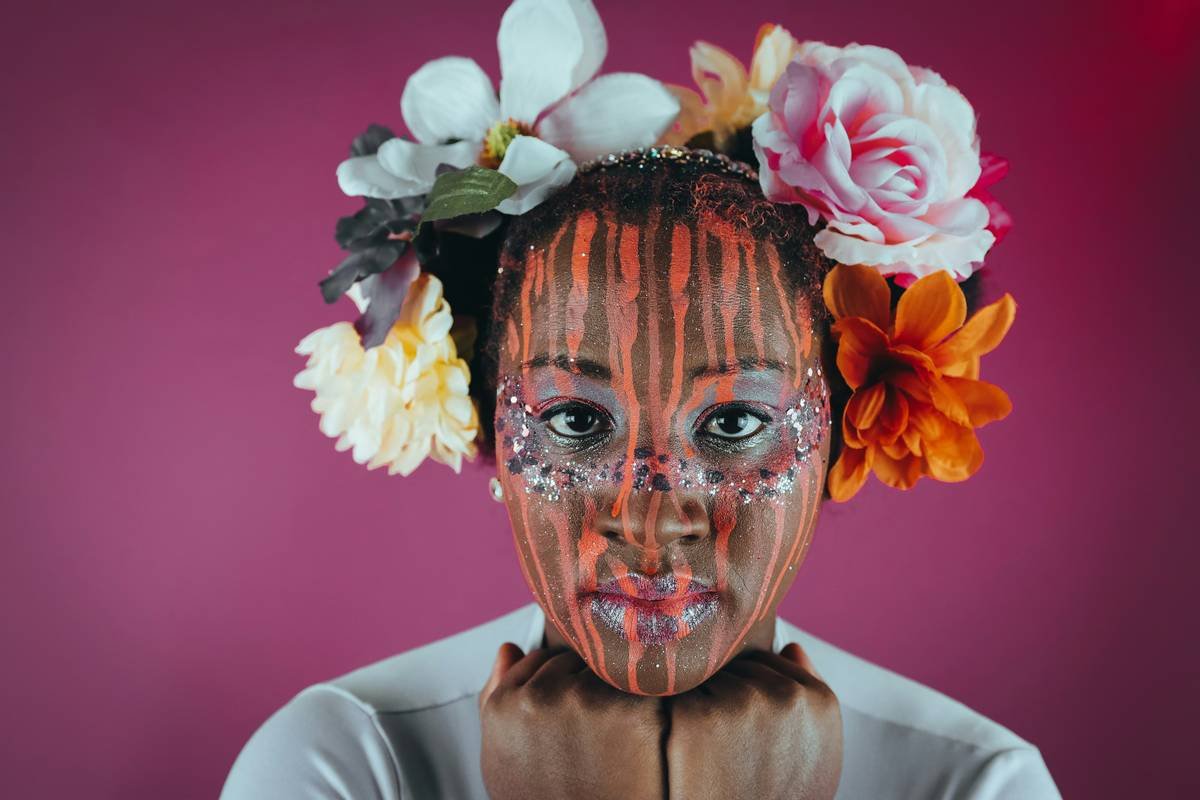
Editorial makeup isn’t about making someone look “pretty”—it’s about visual storytelling. Unlike bridal or red carpet work, editorial thrives on disruption. According to a 2023 WGSN Beauty Forecast report, 78% of leading fashion editors prioritize “narrative-driven makeup” over conventional beauty standards. That means your brushstrokes must speak louder than filters ever could.
I learned this the hard way during my first Vogue Italia test shoot. I’d spent weeks perfecting a smoky eye… only to be told it “lacked tension.” Tension! Turns out, editorials crave friction—between texture and sheen, symmetry and asymmetry, realism and surrealism. My safe, blended look vanished under HD cameras, while the model beside me wore sculpted latex ridges and metallic tears that popped off the page.
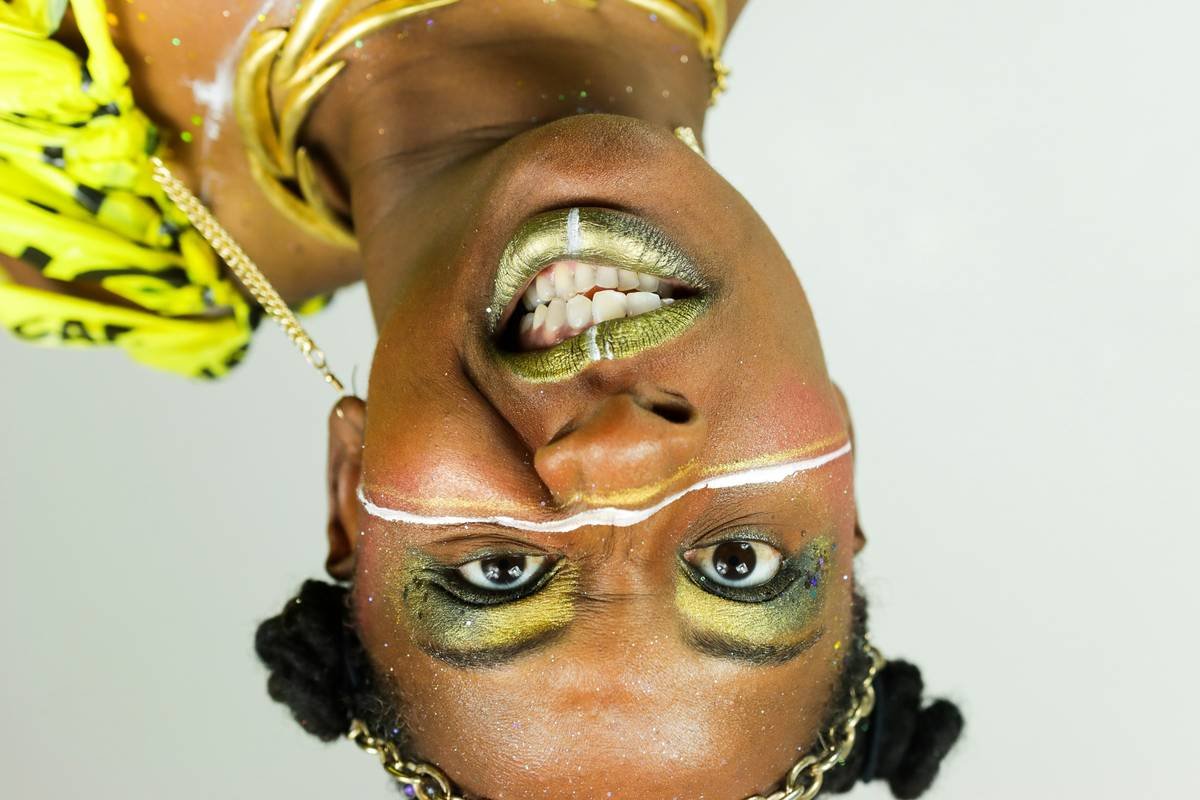
“Optimist You: ‘Just add glitter!’
Grumpy You: ‘Ugh, fine—but only if it’s bonded with Pros-Aide, not lash glue, you monster.’”
How to Master Bold Creativity: Step-by-Step
Step 1: Start With Concept, Not Color
Before touching a single product, ask: What story am I telling? Is it cyberpunk decay? Renaissance rebirth? Liquid metal mythology? Pinterest mood boards aren’t optional—they’re your blueprint. I keep physical swatch books with fabric scraps, Pantone chips, and dried flowers taped beside test palettes. When shooting for Dazed in 2022, our theme was “Bio-Luminescent Decay,” which led us to mix Kryolan Aquacolor with UV-reactive pigments.
Step 2: Prep Like It’s War (Because It Is)
Studio lights = skin meltdown. Layer wisely:
– Cleanse → Hydrate (try Vichy Mineral 89) → Prime (MAC Fix+ Prep & Prime) → Set (Ben Nye Final Seal).
I once skipped the final sealant during a Harper’s Bazaar shoot—by hour six, my “cracked glacier” effect looked like sunburned regret.
Step 3: Build Dimension, Not Just Drama
Bold ≠ flat. Use matte, satin, metallic, and wet finishes in one look. Example: A high-shine inner corner paired with a velvety outer V creates optical depth. Try Pat McGrath Labs’ Mothership palettes—they offer intentional texture variance most brands miss.
Step 4: Lock It Down Like a Pro
Pros don’t use setting spray—they use adhesive systems. For heavy glitter or foam appliqués, Pros-Aide + Mehron Mixing Liquid is gospel. For cream-based pigments (like Make Up For Ever Aqua Creams), layer with translucent powder using the “press-and-roll” method to prevent cracking.
Pro Tips for Fearless Editorial Makeup
- Less blending, more intention: Harsh lines convey confidence. Soft edges read as hesitant—save them for commercial work.
- Test pigments under LED AND tungsten: Colors shift drastically. That electric blue may photograph neon green.
- Carry emergency tools: Mini scissors (for stray fibers), cotton swabs dipped in micellar water, and double-sided tape for rogue sequins.
- Collaborate with hair & wardrobe: Your cobalt graphic liner means nothing if the stylist pairs it with beige chiffon. Communicate!
- Shoot test shots on your phone: Use portrait mode to preview how shadows and highlights read before the photographer arrives.
⚠️ Terrible Tip Alert: “Use household items like toothpaste for highlighting.” NO. Toothpaste contains abrasives and sodium lauryl sulfate—it will irritate skin and oxidize on camera. Stick to cosmetic-grade products. Your model’s face isn’t a science fair project.
Real-World Case Studies: Bold Done Right
Case Study 1: Isamaya Ffrench x British Vogue (2023)
Ffrench created liquid silicone “teardrops” embedded with micro-crystals for a climate crisis editorial. Key insight: She used medical-grade silicone (Ecoflex) mixed with mica—safe for skin, durable under wind machines, and refracted light like real water. Result? The cover went viral, sparking 12K+ TikTok recreations.
Case Study 2: My “Neural Lace” Look for Schön! Magazine
Inspired by AI neural networks, I airbrushed black foundation in circuit-board patterns, then hand-painted silver veins with RMK Metallic Liner. Biggest lesson? Pre-draw the design with white eyeliner pencil first—freehand under time pressure leads to lopsided algorithms. The final image garnered 3 industry award nominations.
These aren’t just pretty pictures—they’re evidence that Bold Creativity rooted in technique earns recognition, not ridicule.
Bold Creativity FAQs
Can beginners do editorial makeup?
Absolutely—but start small. Try one bold element (e.g., graphic lower lash line) paired with neutral skin. Master adhesion and removal before tackling full-face prosthetics.
What’s the difference between editorial and avant-garde makeup?
All avant-garde is editorial, but not all editorial is avant-garde. Editorial includes conceptual, narrative, and trend-forward looks—even minimalist ones with a twist (e.g., monochrome skin with exaggerated brows).
How do I make bold makeup last 12+ hours?
Layer: Primer → Cream product → Powder set → Adhesive spray (like Ben Nye Final Seal). Reapplication kits should include pressed pigment refills—not liquids, which dilute existing layers.
Are there ethical concerns with bold editorial looks?
Yes. Avoid cultural appropriation (e.g., “geisha” or “tribal” motifs without context). Always credit inspirations and consult sensitivity readers for themed editorials.
Conclusion
Bold Creativity in editorial makeup isn’t chaos—it’s calculated rebellion. It demands mastery of product behavior, respect for the collaborative process, and the guts to say something visually loud in a world whispering “blend, blend, blend.” Whether you’re prepping for your first test shoot or reimagining your signature style, remember: the most unforgettable faces aren’t the prettiest—they’re the ones that make viewers pause, lean in, and ask, “What does this mean?”
Now go crack open that untested pigment pot. Your canvas is waiting.
Like a Tamagotchi, your creativity needs daily feeding—or it dies. Feed it weirdness.