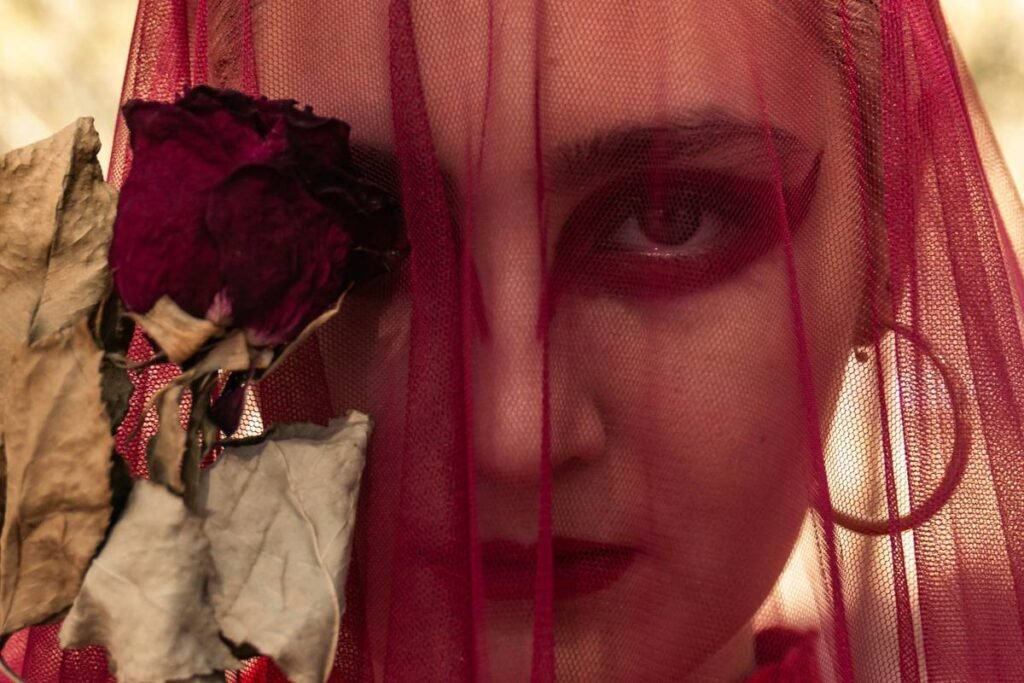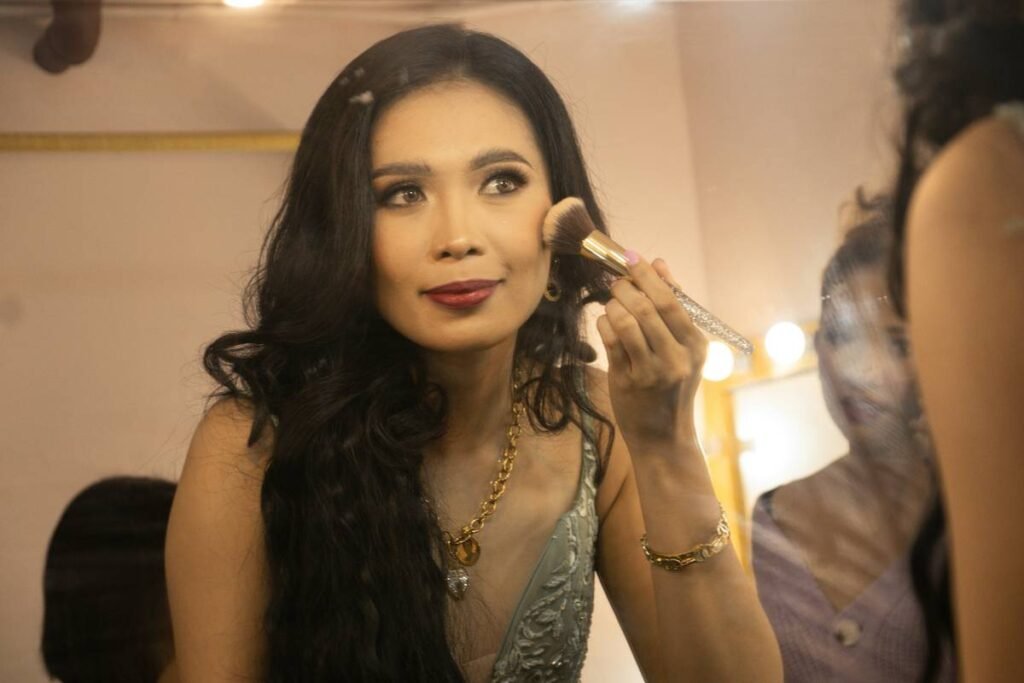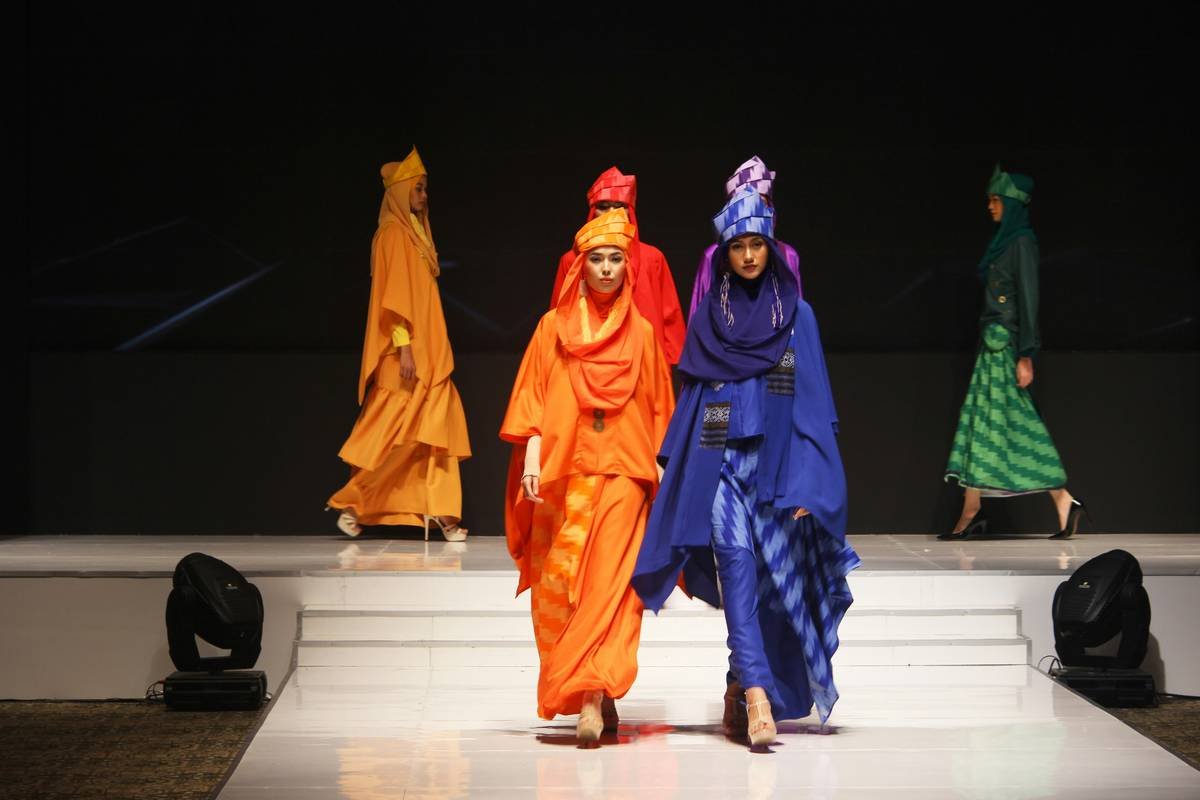
Ever watched a runway show and thought, “How does that model’s skin look like liquid marble under blinding lights… yet still move like a human?” You’re not imagining things—fashion show makeup operates on a different planet than your 9-to-5 routine. As a former backstage artist at NYFW (yes, I’ve wiped away tears with setting spray and called it “strategic dew”), I’ve seen trends morph from minimalist skin to full-on cyberpunk glitter storms in one season.
In this deep dive, you’ll uncover the real mechanics behind fashion show makeup: who creates it, how it survives sweat, tears, and strobe-lit catwalks, and why Instagram reels lie about its “easy” reproducibility. We’ll break down pro techniques, spotlight iconic looks (hello, Pat McGrath at Prada), and reveal what actually works if you want to adapt editorial drama for real life.
Table of Contents
- Why Fashion Show Makeup Is a Whole Different Beast
- How to Create Runway-Ready Makeup: Step by Step
- Pro Tips That Actually Last Under Stage Lights
- Iconic Fashion Show Makeup Moments—Decoded
- Fashion Show Makeup FAQs
Key Takeaways
- Fashion show makeup is conceptual, camera-ready, and designed to read from 30+ feet away—not for Zoom calls.
- Longevity trumps blendability: pros use adhesives, primers, and pigments engineered for extreme conditions.
- Editorial makeup prioritizes storytelling; wearable versions require strategic toning-down (not copying).
- Backstage artists often prep skin days in advance—hydration isn’t optional, it’s structural.
Why Fashion Show Makeup Is a Whole Different Beast
Let’s get brutally honest: that smoky eye you spent two hours perfecting? It vanishes under runway lighting like a Snapchat streak after 72 hours. Fashion show makeup isn’t about enhancing features—it’s about transforming them into visual punctuation for a designer’s narrative.
I remember my first major show—a Fall 2018 avant-garde collection where models walked through actual mist machines. Within three steps, half the eyeliner ran. Why? Because I’d used a creamy kohl meant for editorial shoots, not humidity-resistant polymer gels. Lesson learned: runway conditions are brutal. According to backstage reports from London Fashion Week 2023, temperatures backstage average 86°F (30°C) with 60–70% humidity—essentially a sauna with mood lighting (Vogue Business).
This environment demands products that act more like industrial coatings than cosmetics. Think: silicone-based primers, alcohol-activated pigments, and lash glue that could bond titanium. And forget “natural”—if a makeup look doesn’t photograph clearly in a 300mm telephoto shot from Row Z, it didn’t happen.
How to Create Runway-Ready Makeup: Step by Step
Want to channel that high-fashion energy without melting into a puddle of regret? Here’s how the pros do it—with adjustments so you don’t look like you raided a theater costume closet.
Step 1: Decode the Designer’s Vision (Before Touching a Brush)
Backstage at Milan Fashion Week, lead MUAs receive mood boards weeks ahead. The makeup serves the clothes—not the other way around. Ask yourself: Is this look about texture? Shadow? Futurism? If the collection uses liquid metal fabrics, metallic lids make sense. If it’s raw linen and muted tones, think desaturated blush and zero shimmer.
Step 2: Skin Prep Is Structural Engineering
No amount of foundation fixes dehydration under hot lights. Pros layer hydrating serums (hyaluronic acid + glycerin), seal with occlusive primers (think MAC Prep + Prime Fix+ plus a light balm), then set with translucent powder only in T-zone. Skipping this? Your base will slide off faster than your New Year’s resolutions.
Step 3: Block Color Like a Painter—Not a Blender
Runway makeup uses sharp edges and bold zones. Instead of diffusing eyeshadow, pack pigment with a flat shader brush. Use tape or stencils for geometric lines (yes, even Pat McGrath does it). Blending kills impact from a distance.
Step 4: Lock It Down—Permanently
Spray setting spray? Cute. Pros use makeup sealants like Ben Nye Final Seal or Mehron Barrier Spray. These create an actual film over makeup—waterproof, sweatproof, tear-proof. (Fun fact: Many contain PVP/VA copolymer, the same ingredient in hairspray.)
Step 5: Adjust for Real Life
Optimist You: “I’ll wear chrome lids to brunch!”
Grumpy You: “Ugh, fine—but only if coffee’s involved and I swap chrome for a satin taupe.”
Translation: Keep the shape, ditch the intensity. Swap liquid metal for a soft cream shadow. Replace graphic liner with a tightline. Make the concept wearable—not literal.
Pro Tips That Actually Last Under Stage Lights
- Prime lips like you prime walls: Exfoliate, apply balm, blot, then line and fill entirely before lipstick. Runway lipsticks are often mixed with mixing medium for adhesion.
- Use concealer as highlighter: High-coverage concealers (like Kevyn Aucoin Sensual Skin Enhancer) reflect light better than shimmery sticks under hot bulbs.
- Ditch mascara for individual lashes: Strip lashes flip under wind machines. Pros apply 3–5 individual clusters per eye for definition without bulk.
- Set brows with soap or gel: Not just for staying power—brows frame the entire face when eyes are heavily made up.
- Test under similar lighting: Your bathroom LED ≠ runway halogen. Use a ring light or daylight bulb to preview how colors shift.
Rant Time: Stop Calling “Glitter Tears” Fashion Show Makeup
If I see one more TikTok claiming “NYFW-approved glitter tears you can wear to work,” I’m trading my brushes for a forklift. Glitter tears involve spirit gum, loose theatrical glitter, and removal that requires oil and prayer. They’re performance art—not office attire. Respect the craft.
Iconic Fashion Show Makeup Moments—Decoded
Prada SS23 – “Wet-Look Skin” by Pat McGrath: Not just dewy—it was achieved with a custom water-based gel layered over matte foundation. The trick? Hydrate skin for days prior. Without prepped skin, it reads greasy, not glossy.
Alexander McQueen FW19 – “Bleached Brows & Blood Tears”: Brows were bleached 48 hours pre-show (never day-of!). “Blood” was red gel pigment applied with a fine liner brush, sealed with glycerin for viscosity.
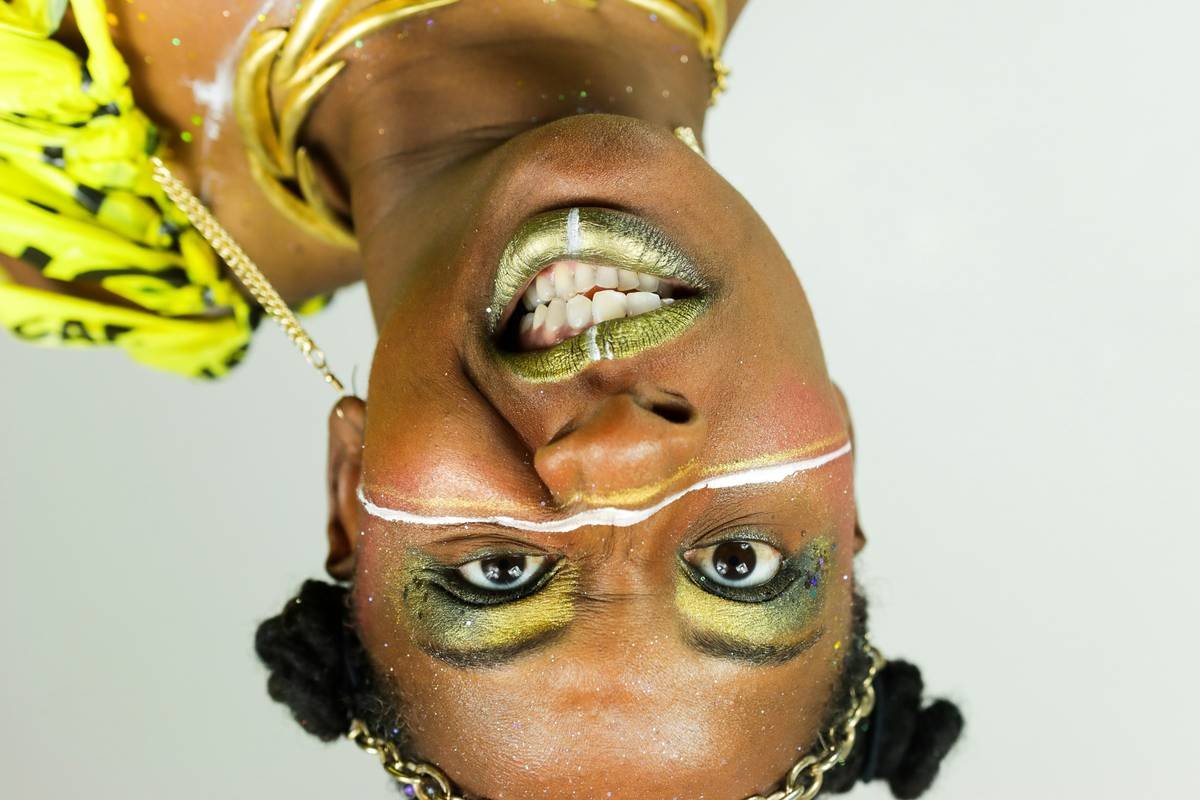
Givenchy SS18 – “Floating Graphic Liner”: That floating white line? Drawn freehand with waterproof cake liner activated by mixing medium. Not eyeliner pencil—those smudge instantly under heat.
These looks took teams, rehearsals, and product formulations most consumers can’t access. But their principles—contrast, clarity, cohesion—are yours to borrow wisely.
Fashion Show Makeup FAQs
Can I recreate fashion show makeup at home?
Yes—but focus on the concept, not exact replication. Swap theatrical pigments for high-pigment eyeshadows (e.g., Danessa Myricks Colorfix), and use setting spray instead of professional sealants.
Why do some runway looks seem “ugly” or extreme?
They’re not meant for daily wear. They’re visual commentary—like abstract art. Their job is to evoke emotion or highlight garment structure, not flatter cheekbones.
What’s the difference between editorial and fashion show makeup?
Editorial (magazine) makeup prioritizes still photography—so textures and details matter up close. Fashion show makeup must read instantly from afar, under chaotic lighting, while a model is moving.
Do models keep the makeup on after the show?
Rarely. Most wipe off immediately due to heavy adhesives causing irritation. Backstage, there’s always a “removal station” with micellar water, oils, and cool compresses.
Conclusion
Fashion show makeup is less about beauty and more about visual storytelling under extreme conditions. It’s technical, collaborative, and often temporary—but its boldness inspires everyday innovation. By understanding the why behind those dramatic strokes (visibility, cohesion, concept), you can borrow elements that elevate your personal style without looking costumed.
So next time you see a model with iridescent cheeks storming down the catwalk, don’t ask, “Can I wear that?” Ask, “What feeling does this evoke—and how can I capture that essence softly?” That’s where real creativity lives.
Like a Tamagotchi, your glam needs daily care—but sometimes, it deserves a rebellious glitter tear just for fun.
Stage lights blaze,
Makeup holds firm through the haze—
Art walks, then fades.