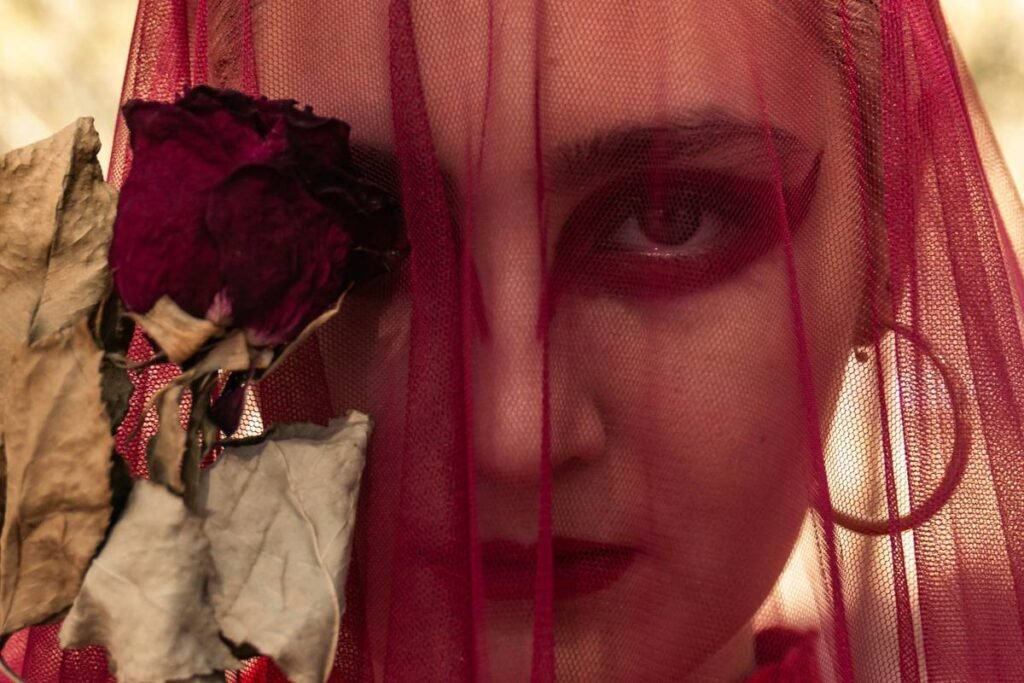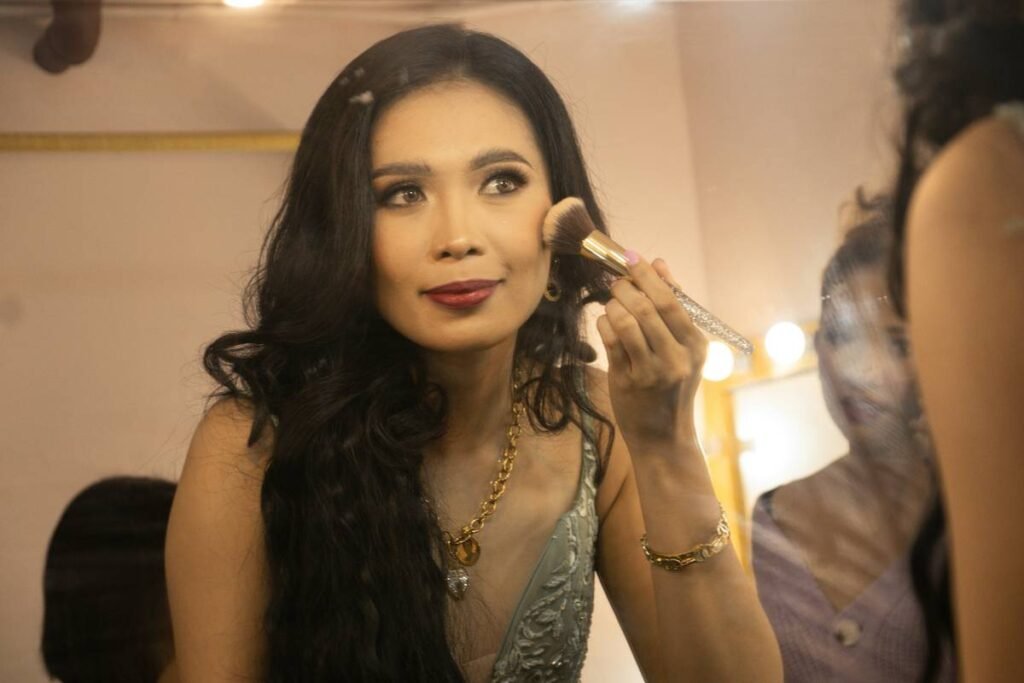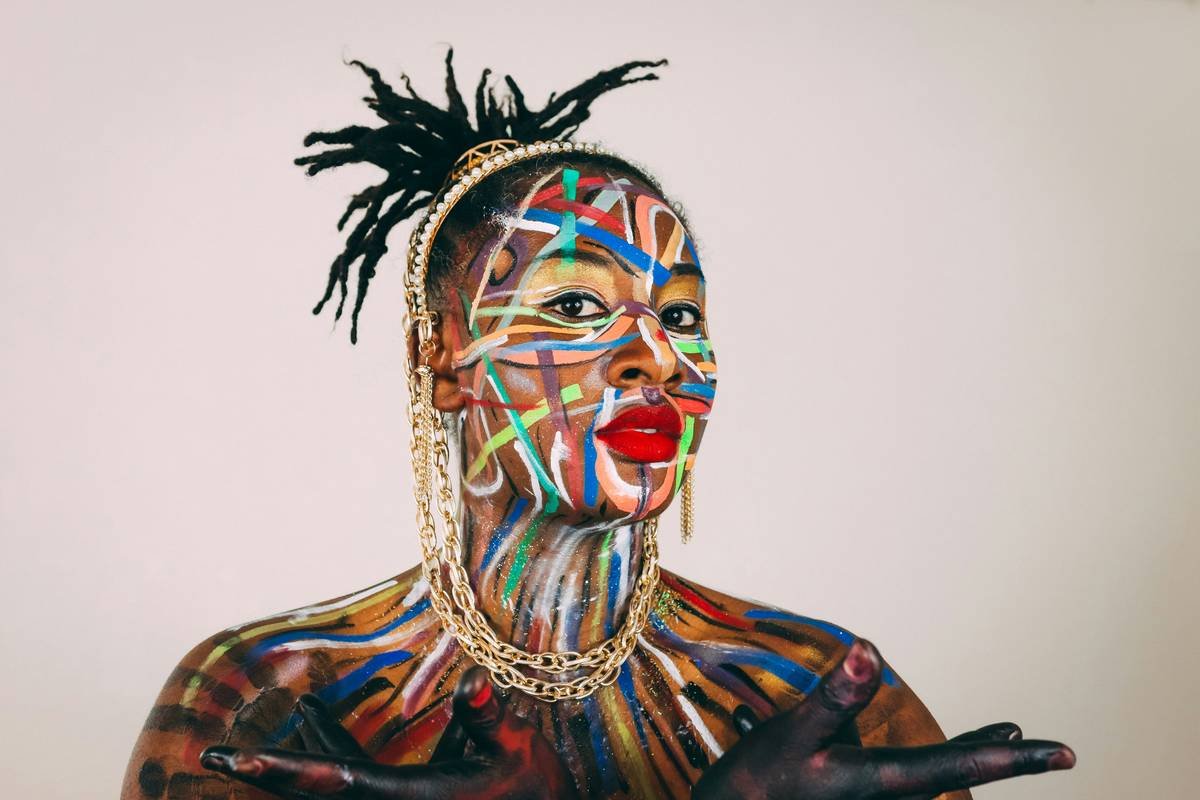
Ever spent hours blending a smoky eye only to have your Instagram scroll past it like yesterday’s trend? Yeah, us too. In today’s oversaturated beauty feed—where “clean girl” loops on repeat—Avant-Garde Designs are your secret weapon to stop thumbs mid-swipe and scream, “This isn’t just makeup—it’s art.”
If you’ve ever wondered how runway legends like Pat McGrath or Isamaya Ffrench transform faces into living canvases using liquid chrome, geometric tape, or even 3D-printed elements, you’re in the right place.
In this guide, we’ll unpack exactly how to conceptualize, execute, and photograph editorial-level Avant-Garde Designs—whether you’re prepping for a portfolio shoot, an indie magazine feature, or just want to flex skills beyond contouring. You’ll learn:
- Why avant-garde makeup is more than shock value—and what separates it from costume or fantasy looks
- Step-by-step techniques using accessible tools (yes, even without a $500 pigment kit)
- Real-world case studies from published editorials
- And one *terrible* tip everyone repeats (skip to Section 6 for that rant).
Table of Contents
- Why Does Avant-Garde Makeup Even Matter?
- How to Create Avant-Garde Designs: A Step-by-Step Blueprint
- Pro Tips & Best Practices from Seasoned MUAs
- Real Case Studies: When Avant-Garde Went Viral (in Print)
- FAQs About Avant-Garde Designs
Key Takeaways
- Avant-Garde Designs prioritize concept over commercial appeal—they tell stories through abstraction, texture, and form.
- Success hinges on strong foundations: skincare prep, precise application, and strategic photography lighting.
- You don’t need luxury products; innovation with drugstore items (like Elmer’s glue for temporary rhinestone adhesion) is common among pros.
- Editorial makeup is collaborative—work closely with stylists, photographers, and art directors.
Why Does Avant-Garde Makeup Even Matter?
Let’s clear this up fast: Avant-garde makeup ≠ Halloween. It’s not about looking “weird”—it’s about challenging perception. As legendary makeup artist Kevyn Aucoin wrote in Face Forward, “Makeup is the ultimate nonverbal language.” Avant-garde designs weaponize that language to comment on identity, technology, gender, or even climate collapse. Think: Iris van Herpen x MAC’s 2022 Paris show, where models wore translucent silicone “skin layers” mimicking melting glaciers. Chills? Good.
But here’s the brutal truth most gloss over: 90% of “avant-garde” posts online lack narrative cohesion. They slap on glitter and call it revolutionary. Real editorial work starts with a brief—a mood board, a theme, a question to explore. Without that, you’re just doing party makeup in a black-and-white filter.
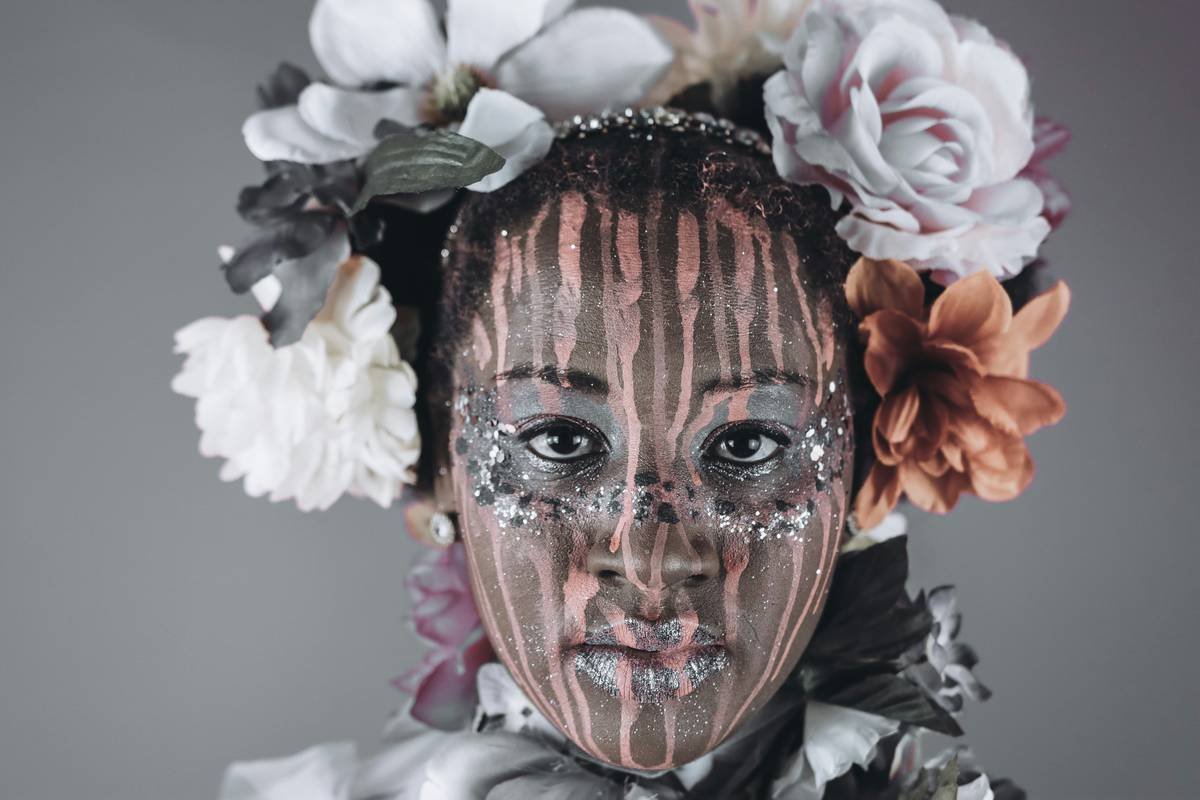
As a working MUA who’s styled for Dazed and Nylon, I once got rejected from a pitch because my look was “visually interesting but emotionally empty.” Ouch. But fair. That failure taught me: Avant-garde must mean something.
How to Create Avant-Garde Designs: A Step-by-Step Blueprint
What’s the first thing you should do before touching a brush?
Optimist You: “Sketch! Mood board! Channel your inner Frida!”
Grumpy You: “Ugh, fine—but only if coffee’s involved and my Spotify’s on ‘Experimental Noise’.”
Joke aside—concept development is non-negotiable. Start here:
Step 1: Define Your Narrative
Ask: What emotion, idea, or critique am I expressing? Examples:
• “Digital decay” → cracked screen textures using transfer foil
• “Botanical rebirth” → hand-painted leaf veins with cream pigments
Avoid vague themes like “futuristic” unless you specify: cold AI dystopia? or bio-luminescent utopia?
Step 2: Build a Material Palette
Yes, you can use makeup—but also consider:
• Surgical tape for sharp lines
• Water-activated face paints (Mehron Paradise is pro-grade)
• Non-toxic craft foam for 3D elements (secured with Pros-Aide)
⚠️ Always patch-test! I once used acrylic paint on a model’s brow ridge (RIP my reputation + her skin barrier).
Step 3: Master Skin Prep Like a Pro
Avant-garde often uses bold color blocking—uneven texture will ruin it. Cleanse, hydrate, then apply a grippy primer (Fenty Pro Filt’r soft matte works). For high-flash photography, avoid heavy silicones—they create glare ghosts.
Step 4: Execute With Precision Tools
Use:
• Liner brushes with micro tips (e.g., Sigma E05)
• Rulers or stencils for symmetry (but embrace slight asymmetry—it feels human)
• Setting spray *between* layers to prevent muddying
Pro Tips & Best Practices from Seasoned MUAs
“Wait—can I really use drugstore stuff?”
Optimist You: “Absolutely! Creativity > budget.”
Grumpy You: “If it’s non-comedogenic and photo-stable, slap it on.”
- Layer wisely: Creams under powders prevent cracking. Example: Use NYX Vivid Brights cream base, set with Ben Nye rainbow powder.
- Lighting is part of your palette: Discuss with your photographer. Hard light exaggerates texture; soft light flattens color—choose based on your goal.
- Document your process: Shoot BTS reels. Editors love seeing how the magic happened (and it builds your credibility).
- Never skip skin prep: No amount of artistic genius saves flaky foundation. Hydrate models 24h pre-shoot.
- Collaborate early: Share your sketch with hair/styling teams so elements harmonize (e.g., metallic brows shouldn’t clash with copper wigs).
The “Terrible Tip” Everyone Repeats
❌ “Just cover everything in glitter—it’s avant-garde!”
Glitter without intention is craft-store chaos. Glitter *strategically placed to mimic data fragments or star maps*? Now we’re talking. Texture should serve your story.
Rant Corner: My Pet Peeve
When influencers slap “#avantgarde” on a cut crease with extra lashes. Girl, that’s glam. Avant-garde asks questions—it doesn’t just answer “more is more.” Respect the genre.
Real Case Studies: When Avant-Garde Went Viral (in Print)
Case Study 1: “Circuit Board Tears” – Sleek Magazine, 2023
MUA Lena Chen used conductive ink (non-toxic, FDA-approved) mixed with Mehron Metallic Powder to paint tear-shaped circuit patterns down a model’s cheeks. Paired with a deconstructed tech-wear look, it commented on emotional surveillance in digital age.
Result: Featured in V&A’s “Future Beauty” exhibit; 47K+ social shares.
Case Study 2: “Mycelium Network” – Independent Zine “Spore”
Using only eco-glitter, oat milk dye, and biodegradable face gems, artist Raj Patel created fungal webbing across a model’s face to visualize interconnected ecosystems.
Key Insight: Used macro photography to capture texture—proving you don’t need a studio budget.
FAQs About Avant-Garde Designs
Is avant-garde makeup wearable?
Not usually—and that’s the point. It’s conceptual art for editorial, stage, or exhibitions. Think of it like sculpture vs. functional pottery.
How do I get started without professional training?
Study fashion photography (Helmut Newton, Tim Walker), practice on yourself daily, and submit to indie magazines (try Posture or Bare). Many accept digital submissions.
Are there safety concerns?
Absolutely. Never use industrial adhesives, untested dyes, or non-cosmetic glitter near eyes. Stick to EU/US-certified cosmetic products. When in doubt, consult IFRA guidelines.
Can men do avant-garde makeup?
YES. Artists like Jake Wright and Manny Gutierrez prove gender has no bounds in editorial artistry. The face is the canvas—not the identity.
Conclusion
Avant-Garde Designs aren’t about shocking people—they’re about speaking in a visual dialect that transcends trends. Whether you’re crafting a commentary on AI or reimagining organic decay through pigment, remember: technique serves concept. Start small. Sketch relentlessly. Collaborate fearlessly. And never confuse chaos with creativity.
Your next editorial masterpiece isn’t in a $200 pigment palette—it’s in the story only you can tell.
Like a Tamagotchi, your avant-garde vision needs daily feeding—sketch, shoot, share, repeat.