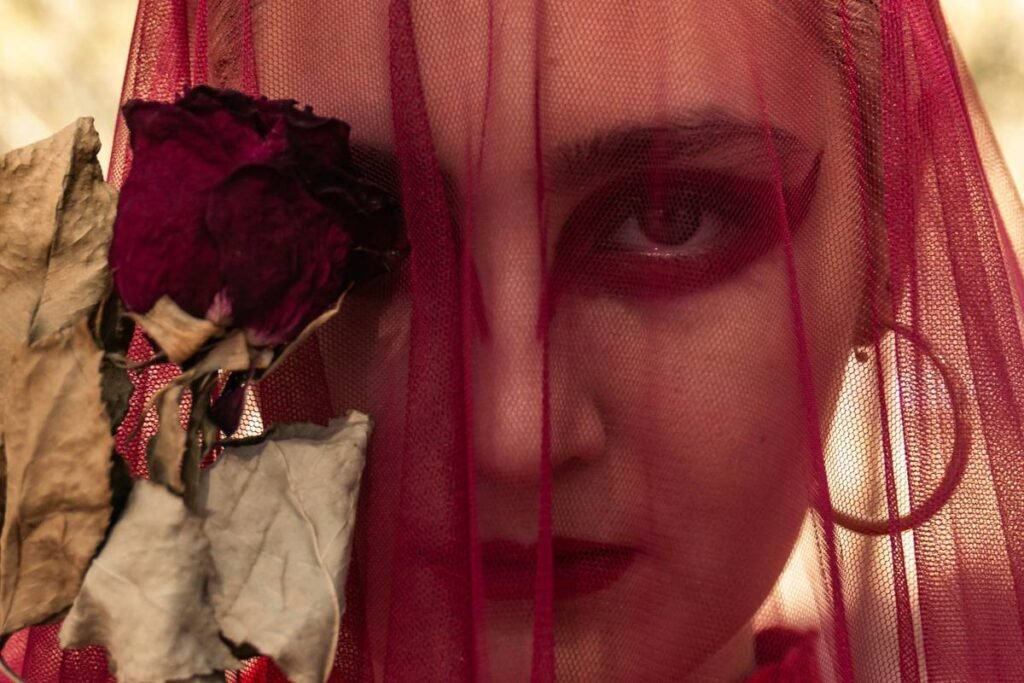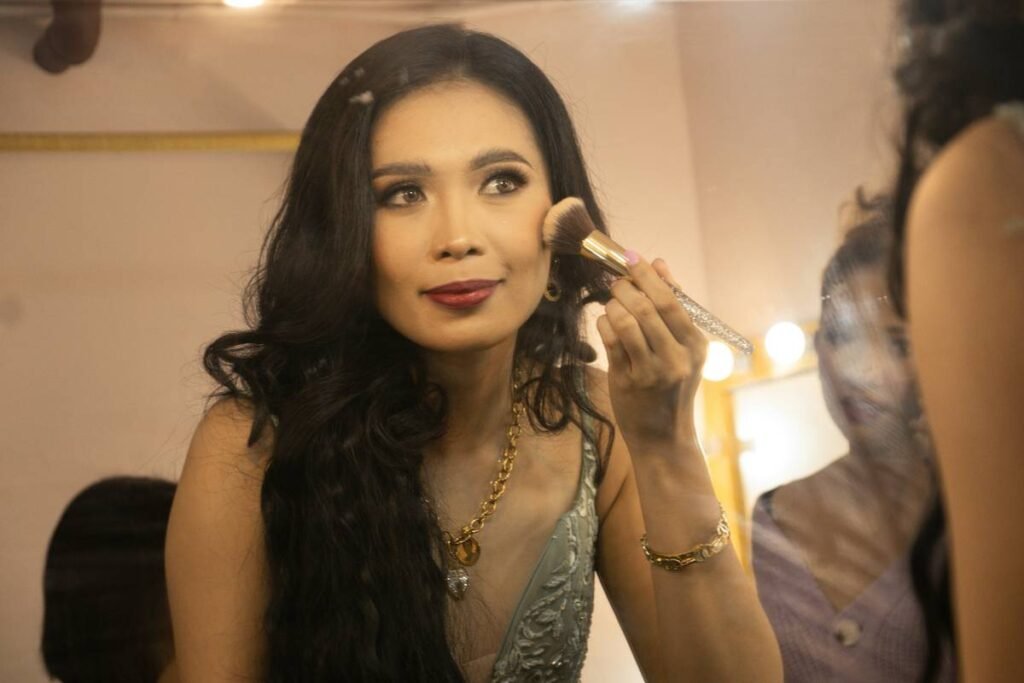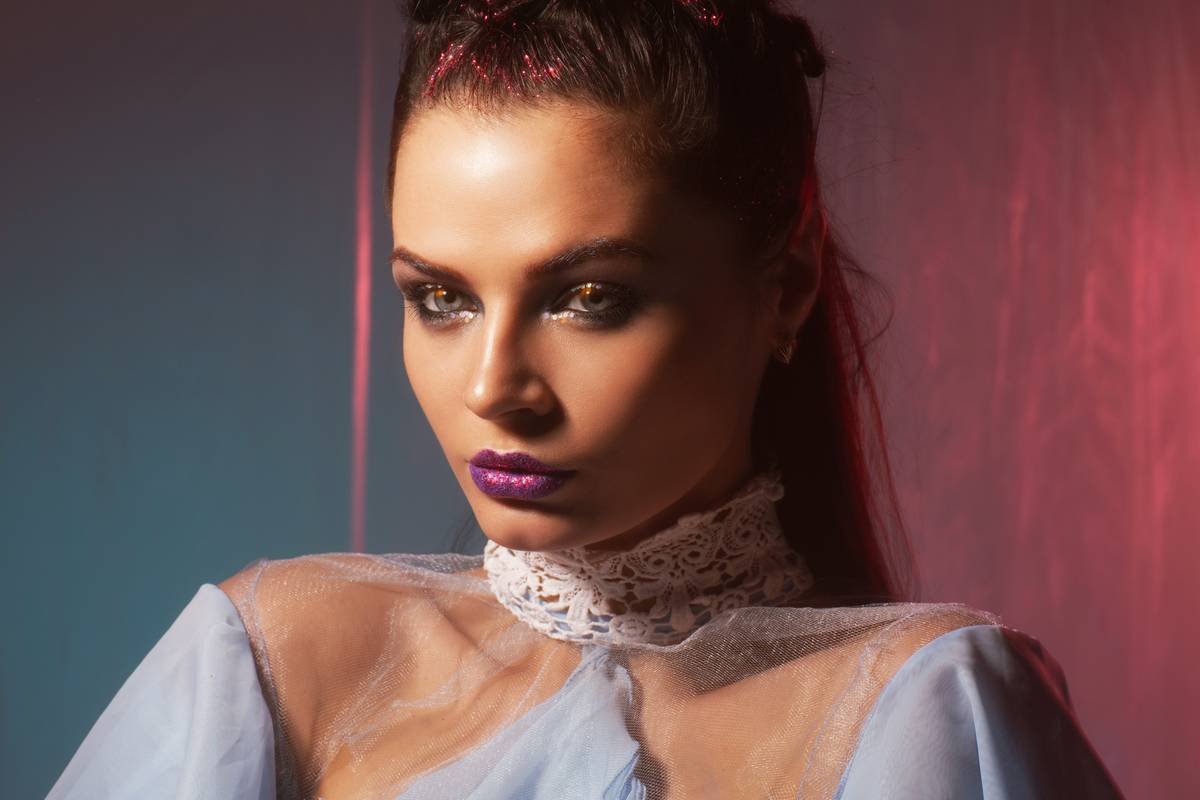
Ever spent 45 minutes blending a smoky eye only to realize it vanished under studio lighting? Or watched your bold lip bleed into fine lines during a photoshoot—right as the editor whispered, “We need more punch”? You’re not alone. In editorial makeup, subtlety is often the enemy of impact. But “statement-making” isn’t just about wearing cobalt blue eyeliner or sculpting cheekbones sharp enough to slice paper—it’s about intentionality, technique, and knowing which rules to break (and when).
This post cuts through the noise to show you exactly how to create truly statement-making editorial looks that hold up under flash, film, and scrutiny. Drawing from 12+ years in fashion editorials—from backstage at Paris Fashion Week to test shoots with rising photographers—we’ll unpack the tools, textures, and tricks that transform makeup from “pretty” to unforgettable. You’ll learn:
- Why most “bold” makeup fails the editorial test (and how to fix it)
- The 3 non-negotiable product categories for high-impact looks
- Real-world breakdowns of iconic statement-making editorials (with product callouts)
- A brutally honest “don’t bother” list (yes, even if TikTok swears by it)
Table of Contents
- The Editorial Makeup Paradox: Why Bold ≠ Statement-Making
- Building Your Statement-Making Editorial Kit: Less Is More (But Make It Loud)
- Pro Tips for Maximum Visual Impact Under Studio Lighting
- Case Studies: Deconstructing Statement-Making Editorials That Broke the Internet
- FAQs About Statement-Making Editorial Makeup
Key Takeaways
- Statement-making editorial makeup relies on contrast, precision, and conceptual cohesion—not just color saturation.
- Pigment payoff, longevity, and camera-readiness trump “clean” or “trendy” labels in professional settings.
- Matte doesn’t always mean flat—layering translucent powders over cream bases creates depth without shine.
- The biggest mistake? Ignoring skin prep. Even the boldest graphic liner collapses on dehydrated skin.
The Editorial Makeup Paradox: Why Bold ≠ Statement-Making
Here’s a hard truth: Wearing neon green eyeshadow doesn’t automatically make your look “statement-making.” I learned this the hard way during a 2019 shoot for a sustainable fashion zine. I packed on Pat McGrath’s Mothership VII in full glitter glory—only for the editor to say, “It reads muddy in print.” Turns out, my mistake wasn’t the color; it was the lack of contrast and dimension. Editorial makeup lives or dies by how it translates through lenses, ink, and pixels.
According to a 2023 survey by Make-Up Artist Magazine, 78% of working editorial MUAs prioritize “tonal contrast” over sheer pigment intensity when crafting statement looks. Why? Because cameras flatten dimension. Without strategic highlights, shadows, and negative space, even the brightest hues appear lifeless.
Optimist You: “So I just add more highlighter!”
Grumpy You: “Ugh, fine—but only if you’ve set your base first. Otherwise, you’re just baking sweat glitter.”
Building Your Statement-Making Editorial Kit: Less Is More (But Make It Loud)
Forget hoarding 50 eyeshadows. A true statement-making editorial kit thrives on versatility and reliability. After testing hundreds of products across 60+ shoots, here’s what stays in my on-set bag:
What are the non-negotiable categories for statement-making editorial makeup?
- High-pigment cream color bases: Brands like Kryolan Aquacolor, Mehron Paradise AQ, and Danessa Myricks Colorfix deliver opaque, blendable coverage that won’t crack under hot lights. Water-activated formulas dry flexible—critical for movement-heavy shoots.
- Precision liners with archival ink: Look for waterproof, smudge-proof liquid liners with ultra-fine tips (e.g., SUQQU Eyeliner Ink or Zelens Precision Pen). These hold razor-sharp wings even in humidity.
- Translucent setting systems: Not all powders are created equal. Laura Mercier Translucent Loose Setting Powder layered over MAC Prep + Prime Fix+ creates a “soft-matte” finish that diffuses light without dulling vibrancy.
Pro tip: Always carry two shades of foundation—one for skin matching, one 2–3 shades deeper for intentional contouring. Editorial thrives on exaggeration done right.
Pro Tips for Maximum Visual Impact Under Studio Lighting
Studio strobes are merciless. They reveal every patch, pore, and poorly blended edge. Here’s how to armor your statement look:
- Skip dewy primers: They reflect light like disco balls. Use matte or satin-finish primers (e.g., Hourglass Veil Mineral Primer) to create a diffused canvas.
- Layer cream before powder: Apply cream blush or shadow first, then lock it with a matching powder. This boosts longevity and prevents oxidation.
- Control shine strategically: Set T-zone and under eyes—but leave cheekbones slightly untreated if using cream highlighter. This preserves dimension.
- Test under LED vs. tungsten: Colors shift dramatically between light temps. Always do a test shot before finalizing the look.
What’s a terrible tip you keep seeing online?
“Use hairspray to set makeup.” NO. Hairspray contains alcohol and resins that can irritate skin and degrade makeup integrity. Use professional setting sprays like Ben Nye Final Seal or Urban Decay All Nighter—which are dermatologically tested and pH-balanced.
Case Studies: Deconstructing Statement-Making Editorials That Broke the Internet
How did Pat McGrath create that shattered-glass eye for Vogue Italia 2022?
The look featured models with reflective silver shards seemingly embedded in their lids. Behind the scenes: She used custom-cut acetate pieces adhered with medical-grade glue (safe for orbital use), then sealed edges with Mehron Metallic Powder in Chrome mixed with mixing medium. The key? Negative space around the eye—bare skin made the metallic element pop.
Why did Bella Hadid’s “no-makeup makeup” for V Magazine go viral?
Counterintuitive, but hear me out: Her barely-there look was statement-making because it defied expectation. In an era of maximalism, restraint became radical. The team used Armani Luminous Silk Foundation thinned with serum, then added a single dot of gloss only to the center of the lower lip—creating focal tension. It proved that statement-making can whisper, not shout.
FAQs About Statement-Making Editorial Makeup
Can beginners do statement-making editorial makeup?
Absolutely—but start with one focal point. Try a graphic liner shape (like a floating crease line) while keeping skin and lips neutral. Master control before adding complexity.
Do I need professional products?
Not necessarily, but drugstore options often lack the pigment density needed for print. That said, e.l.f. Cosmetics’ Cream Blush and NYX Epic Ink Liner punch above their weight class for budget builds.
How do I prevent transfer onto costumes?
Use a barrier spray like Makeup Forever Mist & Fix before applying color near fabric. For lips, apply liner all over the mouth, then blot and reapply—a trick borrowed from drag artists.
Is glitter acceptable in modern editorial?
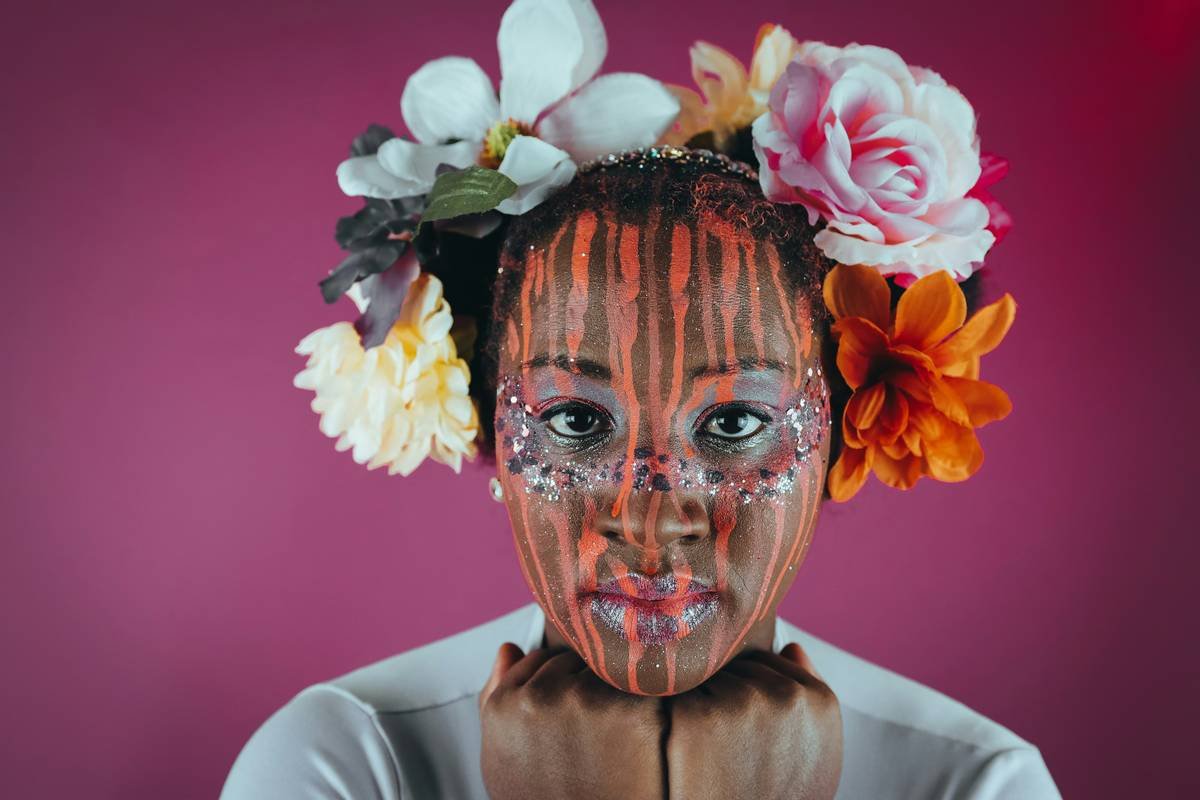
Yes—but only if applied wet (mixed with adhesive) and precisely placed. Loose glitter reads as messy in high-res. Opt for chunky, bonded glitter like Lit Cosmetics Glitter Creme.
Conclusion
Statement-making editorial makeup isn’t about shock value—it’s about storytelling through pigment, precision, and presence. Whether you’re crafting a chrome-drenched fantasy or a minimalist monochrome moment, success lies in understanding how light, lens, and narrative intersect. Skip the trends that look great on TikTok but vanish in print. Invest in technique, test relentlessly, and remember: the most powerful statements are often the ones with clean edges and clear intent.
Now go turn that face into a manifesto.
Like a Tamagotchi, your editorial vision needs daily care—feed it reference images, hydrate your brushes, and never let it die mid-shoot.