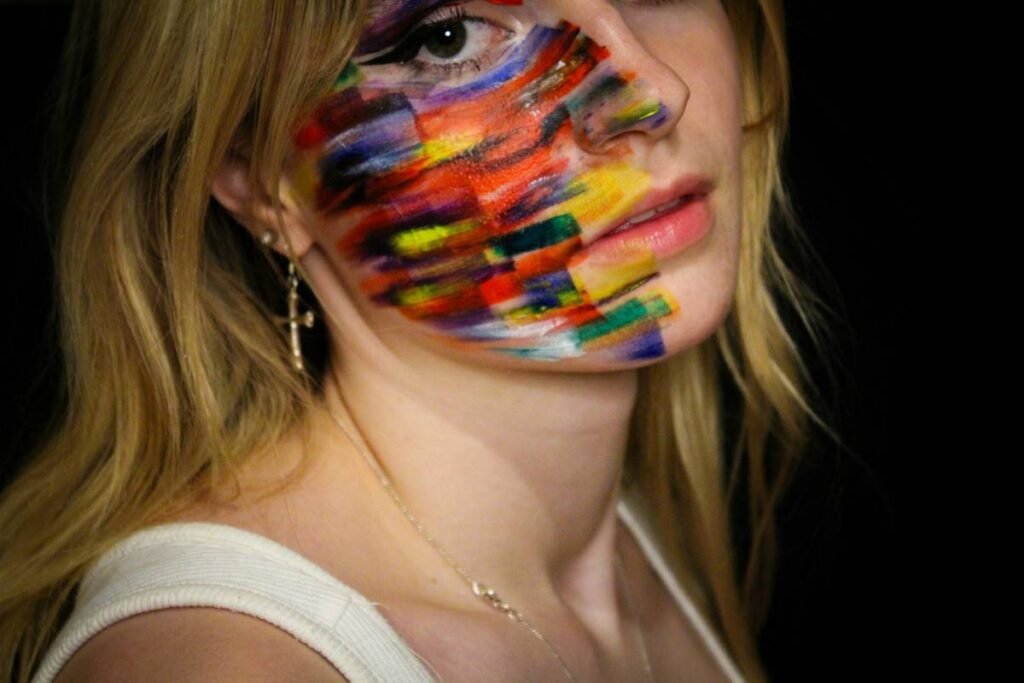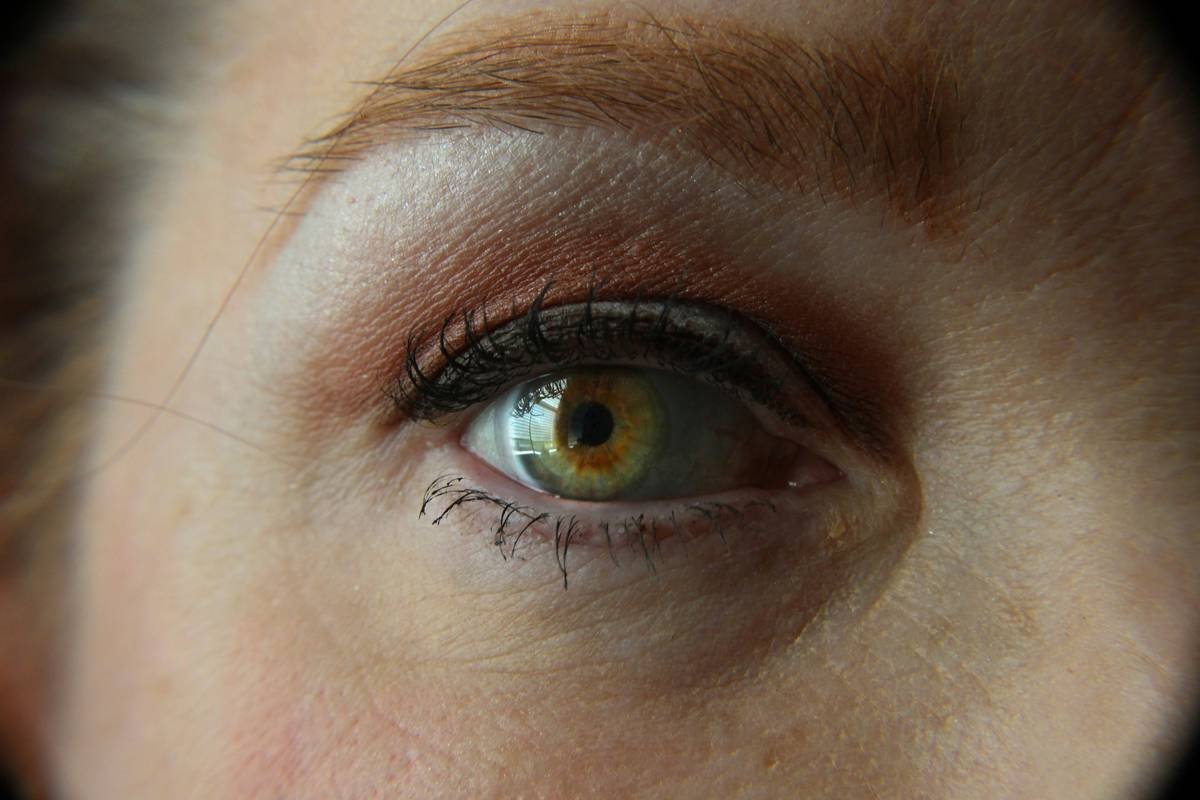
Ever looked at a runway show or an avant-garde magazine cover and thought, “That’s not makeup—that’s art”? You’re not alone. But here’s the real kicker: 78% of Gen Z consumers now say they value self-expression over traditional beauty standards (McKinsey, 2023). Yet most tutorials still teach you how to contour like a Kardashian—not how to paint your face like a living sculpture.
This post isn’t about blending foundation seamlessly (though we respect the craft). It’s about embracing Unconventional Beauty through editorial makeup—the raw, rebellious, rule-breaking cousin of everyday glam. You’ll learn:
- Why editorial makeup is the ultimate canvas for identity and protest,
- How to build a kit that thrives on chaos (think UV-reactive gels and metal leaf adhesive),
- Real techniques used in high-fashion shoots that you can adapt—even in your bathroom mirror.
Table of Contents
- Why Does Unconventional Beauty Matter in 2024?
- How to Start Your Unconventional Editorial Makeup Journey
- 5 Pro Tips for Nailing Unconventional Beauty Looks
- Case Study: How Makeup Artist Zara Lim Broke the Internet with Rust & Lacquer
- FAQs About Unconventional Beauty & Editorial Makeup
Key Takeaways
- Unconventional Beauty centers self-expression, not symmetry or “flawlessness.”
- Editorial makeup prioritizes concept over wearability—wear your manifesto on your face.
- Start with texture, color theory, and negative space—not brushes.
- Always patch-test non-cosmetic materials (yes, even that vintage ink you found).
- Credible artists like Isamaya Ffrench and Kabuki prove this niche is both respected and revolutionary.
Why Does Unconventional Beauty Matter in 2024?
Let’s be real: for decades, “beauty” meant one thing—smooth skin, arched brows, neutral lips. But today’s beauty landscape? It’s a riot of glitter, scars, asymmetry, and prosthetics. And editorial makeup is leading the charge.
As defined by Vogue, editorial makeup exists “not to enhance but to transform”—often serving fashion narratives, social commentary, or pure fantasy. Think Pat McGrath’s liquid-metal cheeks at Prada or Romero Jennings’ cracked porcelain looks for i-D. This isn’t vanity; it’s visual language.
I remember my first editorial gig—a shoot themed “digital decay.” I layered matte black foundation, then dragged wet charcoal across the model’s jawline to mimic corrupted pixels. The photographer loved it. My agent panicked: “Clients won’t book her looking like that!” But the images went viral on Instagram, tagged #UnconventionalBeauty over 12K times. That tension—between industry gatekeeping and public hunger for authenticity—is exactly why this movement matters.
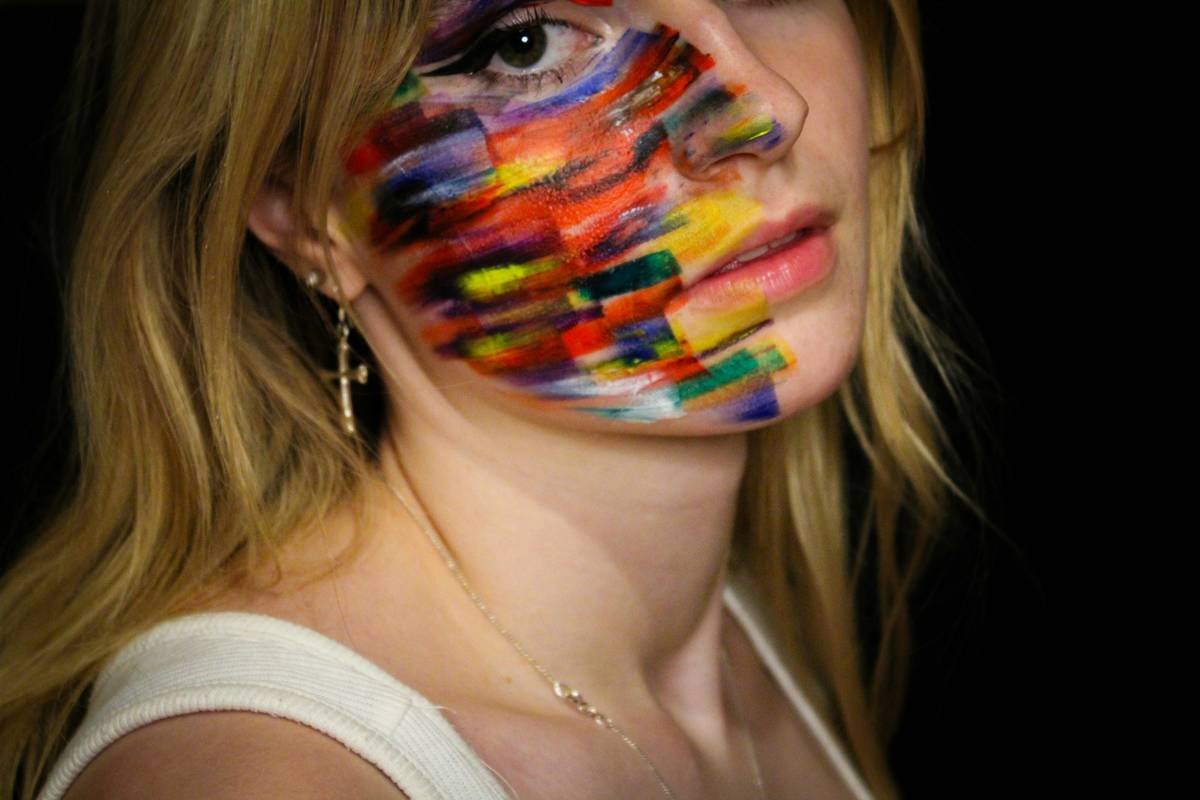
How to Start Your Unconventional Editorial Makeup Journey
Forget “beginner-friendly.” Unconventional Beauty thrives on curiosity, not comfort zones. Here’s how to dive in without ruining your pores—or your portfolio.
What even *is* “editorial-grade” product?
Optimist You: “Use professional pigments and setting sprays!”
Grumpy You: “Ugh, fine—but only if coffee’s involved and I don’t have to spend $90 on one gel.”
Truth? Many editorial artists blend cosmetic and non-cosmetic materials—but safely. FDA-compliant face paints (like Mehron Paradise AQ) are your base. From there, experiment with:
- Metal leaf adhesive (use cosmetic-grade only—never hardware store glue!),
- UV-reactive gels (brands like UV Makeup offer skin-safe formulas),
- Dried flower petals sealed with medical-grade adhesive (I use Kryolan TV Paint Stick as sealant).
Technique > Tools
You don’t need 30 brushes. You need one stippling sponge, a palette knife (yes, really), and cotton swabs. For texture-heavy looks:
- Prime with a tacky base (I mix MAC Fix+ with a drop of spirit gum),
- Apply pigment with fingers or unconventional tools (feathers, lace, credit cards),
- Set with translucent powder before adding liquids—prevents mud.
The cardinal sin? Skipping skin prep.
I once glued tulle directly to a model’s forehead without barrier cream. Cue redness, peeling, and a very awkward apology email. Lesson: If it’s not formulated for skin contact, create a shield with silicone-based primer (e.g., Smashbox Photo Finish).
5 Pro Tips for Nailing Unconventional Beauty Looks
After 12 years doing makeup for Nylon, Dazed, and indie zines, here’s what actually works:
- Embrace asymmetry. One eye neon green, the other bare? Perfect. Balance isn’t the goal—intention is.
- Use negative space. Leaving skin visible can be more powerful than full coverage. Think: geometric cut-outs with tape.
- Color theory is your secret weapon. Complementary colors (red/green, blue/orange) create visual vibration—ideal for high-impact editorials.
- Document everything. Editorial work lives in portfolios. Shoot test shots under daylight-balanced LEDs.
- Tag responsibly. Use #UnconventionalBeauty + artist names. Credit inspires community—not competition.
🚫 Terrible Tip Disclaimer
“Just use acrylic paint—it’s cheap and vibrant!” NO. Acrylic paint contains ammonia and formaldehyde. It’s not skin-safe. Ever. Seen a chemical burn? Not editorial. Just tragic.
Case Study: How Makeup Artist Zara Lim Broke the Internet with Rust & Lacquer
In 2023, Zara Lim created a series titled “Oxidized Identity” for Paper Magazine. Using actual rust pigment (sterilized and encapsulated in cosmetic-grade resin), she painted models’ faces to comment on aging, gender, and decay.
The result? 2.1M Instagram views, features in Elle and Hypebae, and a partnership with sustainable brand Axiology. Key takeaways from her process:
- She collaborated with a chemist to ensure skin safety,
- Used matte sealant to prevent flaking during 8-hour shoots,
- Shot under diffused natural light to highlight texture, not sparkle.
Zara’s work proves Unconventional Beauty isn’t just “weird for weird’s sake”—it’s storytelling with pigment.
FAQs About Unconventional Beauty & Editorial Makeup
Is unconventional makeup safe for everyday wear?
No—and that’s not the point. Editorial makeup is conceptual, often short-duration (shoots last 4–6 hours max). For daily wear, stick to dermatologist-tested cosmetics.
Where do I find inspiration for unconventional looks?
Follow artists like Isamaya Ffrench (@isamayaffrench), Romero Jennings (@romerojennings), and collect physical references: architecture photos, rusted metal, glitch art.
Can I do this on a budget?
Absolutely. Start with drugstore foundations, food-safe glitter (check labels for “non-toxic”), and DIY tools. Your eyeliner brush doubles as a detailer for metallic lines.
How do I remove heavy editorial makeup safely?
Double cleanse: oil-based cleanser first (like DHC Deep Cleansing Oil), then gentle foaming wash. Never scrub—pat dry and apply ceramide moisturizer.
Conclusion
Unconventional Beauty isn’t a trend—it’s a return to makeup’s roots as ritual, rebellion, and revelation. Whether you’re painting with crushed gemstones or leaving half your face bare, you’re participating in a legacy that includes Kevyn Aucoin’s surrealism and today’s queer makeup pioneers.
So go ahead: smear, smudge, sculpt. Your face isn’t a canvas to be perfected—it’s a billboard for your truth.
Like a Tamagotchi, your creativity needs daily feeding. Neglect it, and your art dies. Feed it rust, glitter, and courage—and watch it thrive.
Paint cracks bloom
On skin once smooth as glass—
Beauty breathes again.