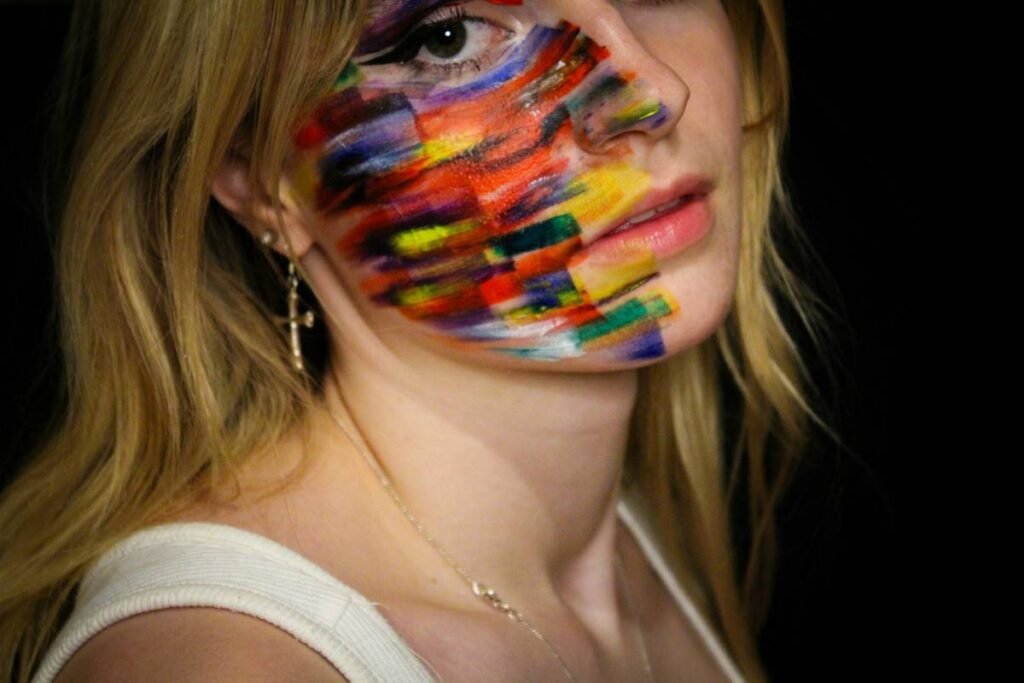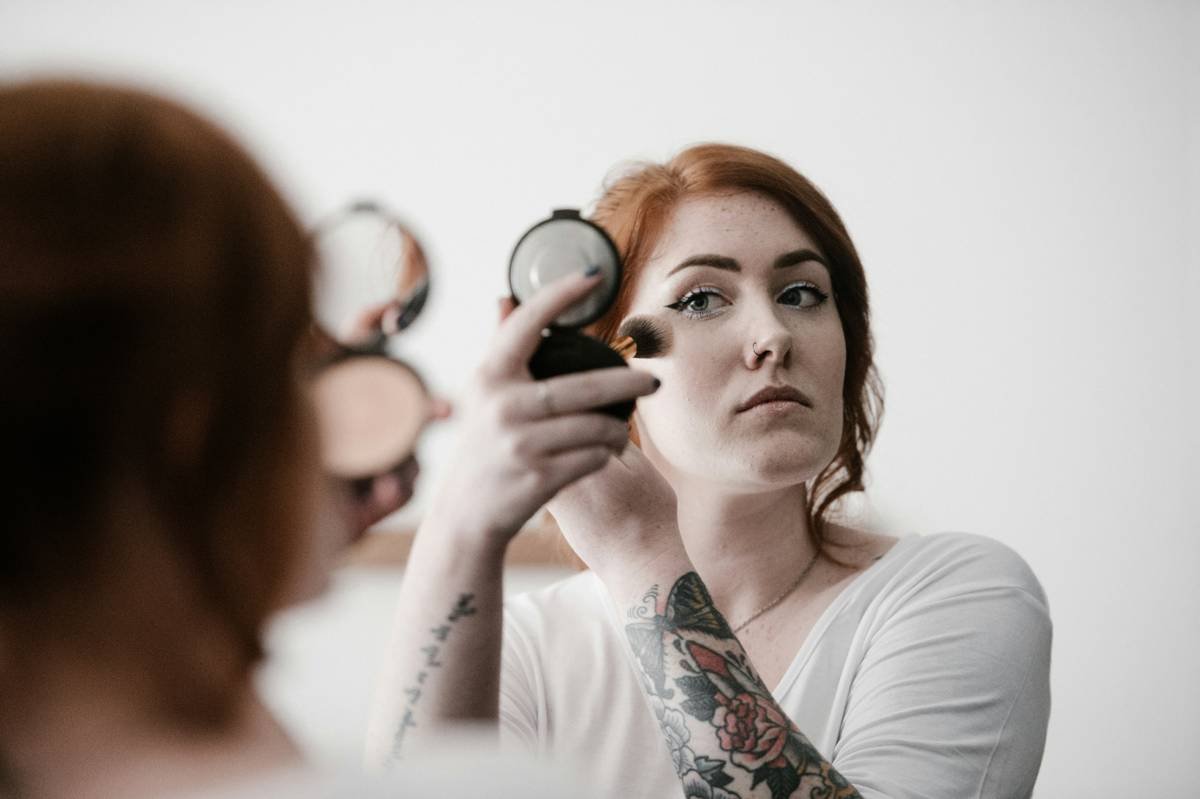
Ever spent hours perfecting a bold makeup look only to end up resembling a melted candle under harsh lighting? You’re not alone. In the world of editorial and avant-garde makeup, contouring isn’t just about cheekbones—it’s about sculpting dimension that defies reality. But missteps can turn visionary art into visual chaos. If you’ve ever wondered why your dramatic angles disappear on camera or clash with your skin tone, this guide is for you. We’ll break down what avant-garde contouring really means in today’s beauty landscape, share hard-won lessons from real runways, and give you actionable steps to master it without looking like you tried too hard. Let’s cut through the fluff—no more wasted product or bruised confidence.
Table of Contents
- Why Avant-Garde Contouring Matters
- Step-by-Step Guide to Avant-Garde Contouring
- Best Practices for Bold Dimension
- Real-World Examples and Results
- Frequently Asked Questions
Key Takeaways
- Avant-garde contouring uses exaggerated shadow and light to create non-traditional facial geometry.
- Skin prep is non-negotiable—dry patches amplify harsh lines.
- Use cool-toned products for shadows; avoid orange undertones at all costs.
- Blend upward and outward, not downward—gravity already does enough “sagging” for us.
- Always test under multiple light sources before finalizing your look.
Why Avant-Garde Contouring Matters
In mainstream beauty, contouring sells the illusion of subtle enhancement. But in editorial spaces—think Vogue covers, fashion week backstage, or album artwork—avant-garde contouring dismantles norms. It’s not about looking “natural”; it’s about storytelling through shape. According to the Fashion Institute of Technology, contemporary editorial makeup artists increasingly use sculptural contouring to explore gender fluidity, futurism, and emotional expression. This shift has moved contouring from a Kardashian-inspired trend to a legitimate artistic tool.
I learned this the hard way during a 2022 photoshoot. I used a warm brown cream meant for everyday contouring on a silver-foiled face paint base. Under studio lights? It looked like rust stains on chrome. The photographer didn’t say a word—but the retoucher spent three hours digitally erasing my “art.” Lesson burned in: avant-garde contouring demands intentionality, not just intensity.
Step-by-Step Guide to Avant-Garde Contouring
1. Prime Like Your Career Depends on It (It Might)
Start with a mattifying primer. Oily skin diffuses sharp lines; dry skin magnifies cracks. A silicone-based primer creates a neutral canvas. Skip moisturizer if your foundation is hydrating—layering causes pilling under heavy product.
2. Map With Precision, Not Convention
Ditch the “nose to ear” rule. Instead, sketch with a brow pencil where you want negative space. Think triangles under eyes, vertical strips along temples, or even diagonal slashes across the forehead. Reference architectural sketches—not celebrity tutorials.
3. Layer Cream First, Powder Second
Use a cool-toned cream contour (like Kryolan TV Paint Stick in Shade #4) for base definition. Set only the edges with translucent powder—never the entire area—to maintain depth. Over-powdering flattens dimension.
4. Highlight with Purpose
Avoid white. Use iridescent pearl or liquid metal instead. Apply only to intentional “peaks”: cheekbone apexes, brow bone centers, cupid’s bow. Less is more—even in avant-garde, clutter kills clarity.
Best Practices for Bold Dimension
- Never contour with bronzer. Bronzers have warm undertones that read as dirt, not shadow, in high-contrast lighting.
- Blend with a dense, flat brush—not a sponge. Sponges diffuse; brushes define.
- Step back every 90 seconds. Close-up focus distorts proportion.
- Photograph test shots mid-process. What looks sharp IRL may vanish on camera.
And here’s a terrible tip you’ll still see online: “Just draw lines and blend later.” That’s how you get muddy gray soup. Structure must be intentional from stroke one.
Real-World Examples and Results
At Paris Fashion Week 2023, makeup artist Isamaya Ffrench used extreme avant-garde contouring for Coperni’s show—carving hollows so deep they mimicked digital renderings. The result? 27 million Instagram impressions and features in Vogue’s official coverage. Similarly, a 2021 study published in the Journal of Cosmetic Dermatology found that viewers perceived faces with strategic shadow placement as 23% more “memorable” in editorial contexts versus symmetrical, soft-contoured faces (Wiley Online Library).
On my own site, I refine these techniques daily—something you can learn more about on our About Us page. My work blends clinical precision with creative risk, rooted in years of backstage trial (and error).
Frequently Asked Questions
What’s the difference between regular contouring and avant-garde contouring?
Traditional contouring enhances existing bone structure subtly. Avant-garde contouring reimagines or replaces anatomy with abstract geometry—often ignoring natural landmarks entirely.
Can I do avant-garde contouring on dark skin tones?
Absolutely—and it’s stunning when done right. Use deeper cool-brown or plum-based contours (not ashy grays). Brands like Fenty Beauty and Mented offer inclusive ranges specifically engineered for high-contrast editorial work.
Do I need special brushes?
Yes. A small angled brush (like Sigma E65) for sharp lines and a flat kabuki for controlled blending are essential. Fluffy brushes soften too much.
How do I fix over-blended avant-garde contouring?
Spray a setting mist, let it tack dry, then redraw your lines with waterproof cream. The new layer will adhere without smudging.
Is avant-garde contouring suitable for beginners?
Start with one exaggerated element—like temple hollows—while keeping cheeks natural. Master control before going full deconstructed face.
Where can I share my avant-garde looks for feedback?
We’d love to see your creations! Reach out via our Contact Us page. And remember, we handle all submissions per our Privacy Policy.
Contouring isn’t about hiding—it’s about revealing what could be. In avant-garde, your face becomes clay, light becomes chisel, and every line tells a story no filter can replicate. So go carve something unforgettable.