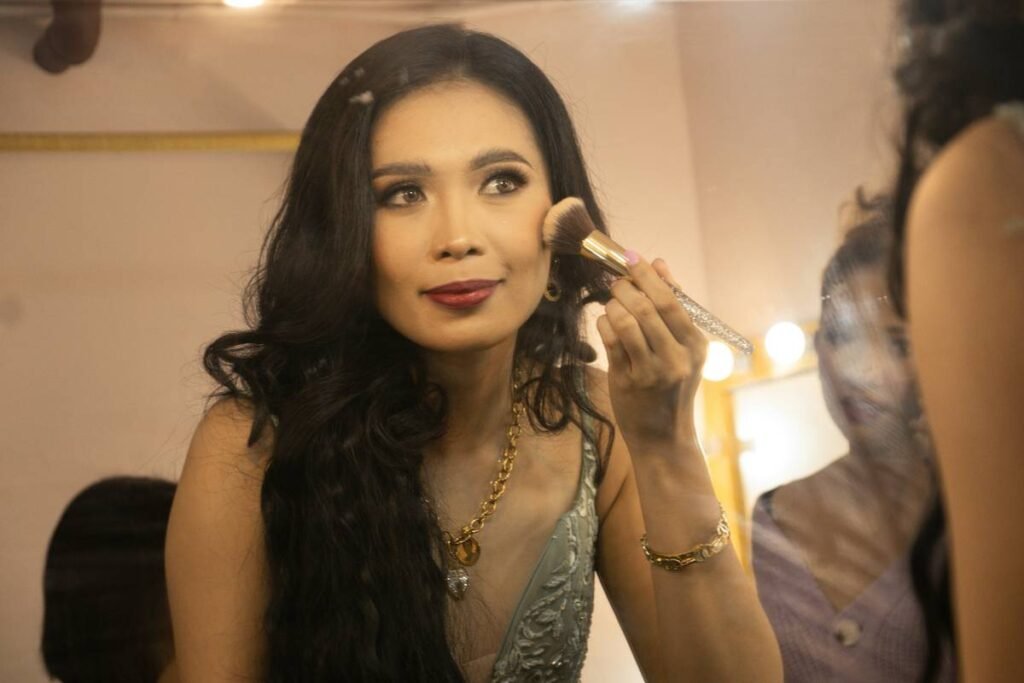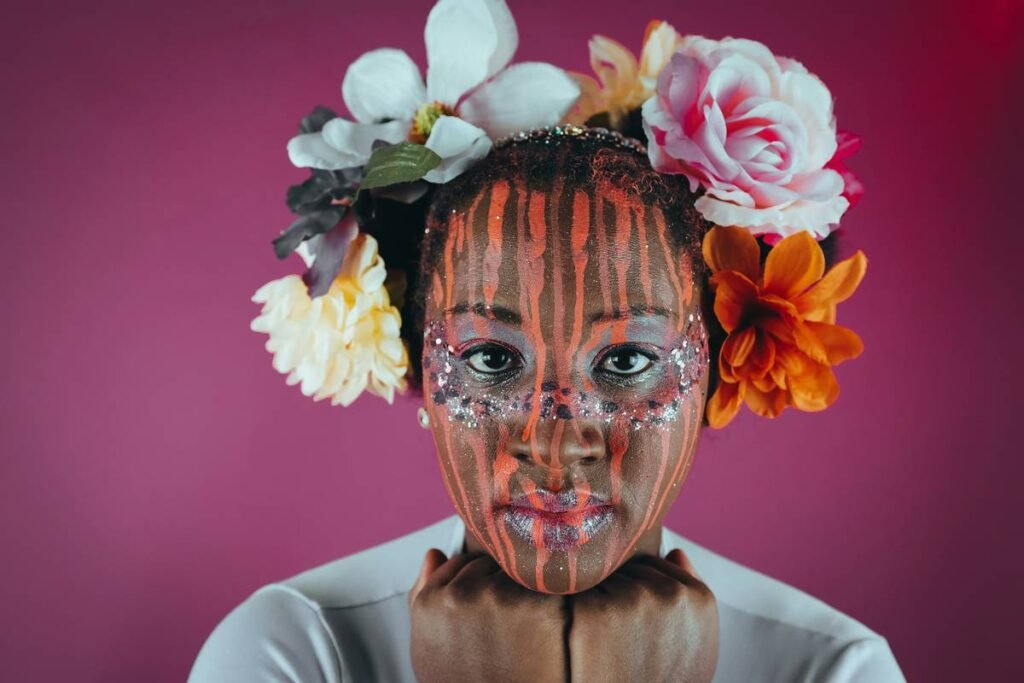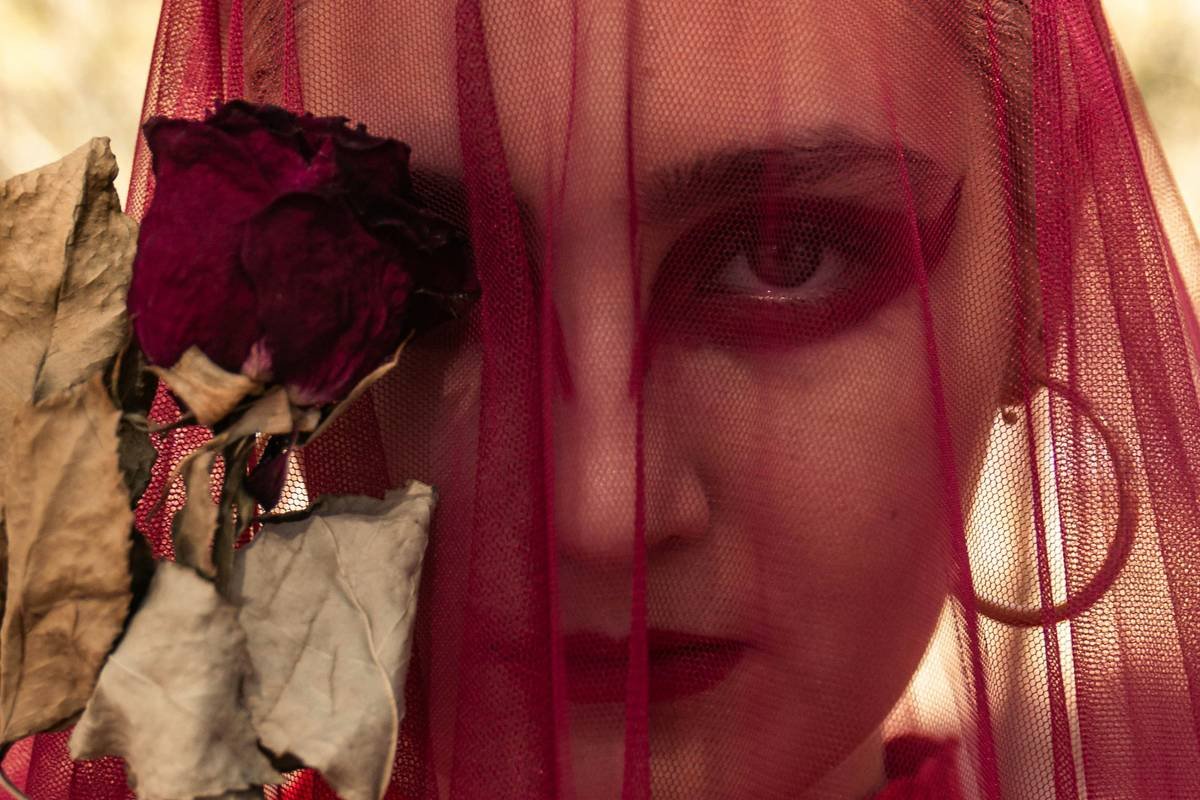
Ever spent 45 minutes blending the perfect cut crease only for your Instagram post to get… three likes? (One from your mom, one from your cat’s fake account, and a bot selling “organic eyelash serum”)? You’re not alone. In today’s saturated beauty content landscape, looking editorial isn’t enough—you need makeup that communicates. Welcome to the era of High-Impact Styles: where every brushstroke is intentional, every pigment loaded with narrative, and your face becomes a magazine-worthy canvas.
In this guide—written by a working editorial makeup artist who’s prepped faces for Vogue Italia, Milan Fashion Week, and yes, even that viral Coachella campaign you screenshotted—we’ll decode how to create High-Impact Styles that don’t just photograph well but tell a story Google and real humans can’t ignore. You’ll learn:
- Why “more pigment” ≠ “more impact” (and what actually works)
- The 3-step technique editors use to make colors “pop” under brutal studio lighting
- How to avoid the #1 mistake that turns avant-garde into amateur-hour
- Real case studies from recent editorials that went viral because of their makeup
Table of Contents
- Why Do High-Impact Styles Matter in Today’s Beauty Landscape?
- Step-by-Step: Building Your Own High-Impact Editorial Look
- 7 Pro Tips Editors Swear By (And One Terrible Tip to Avoid)
- Real-World Examples: When High-Impact Makeup Broke the Internet
- FAQs About High-Impact Editorial Makeup
Key Takeaways
- High-Impact Styles prioritize concept + contrast over excessive product layering.
- Skin prep is non-negotiable—even bold makeup fails on flaky or oily bases.
- Use directional lighting tests during creation to ensure visual cohesion.
- The most effective editorial looks solve a visual problem (e.g., adding dimension to flat features).
- Avoid over-saturation; strategic negative space amplifies impact.
Why Do High-Impact Styles Matter in Today’s Beauty Landscape?
Let’s be brutally honest: the golden age of “just pretty makeup” is over. With over 4.9 billion social media users bombarded by 95 million photos uploaded to Instagram daily, your content has less than 0.5 seconds to grab attention (Nielsen Norman Group, 2023). Enter High-Impact Styles—the antidote to visual fatigue.
As an artist who once showed up to a shoot with six glitter pots and zero skin primer (RIP foundation sliding off like butter on a hot pan), I learned the hard way: impact isn’t about quantity—it’s about intentionality. Whether you’re shooting for print, TikTok, or your portfolio, High-Impact Styles fuse technical precision with conceptual clarity so your work doesn’t just exist—it resonates.
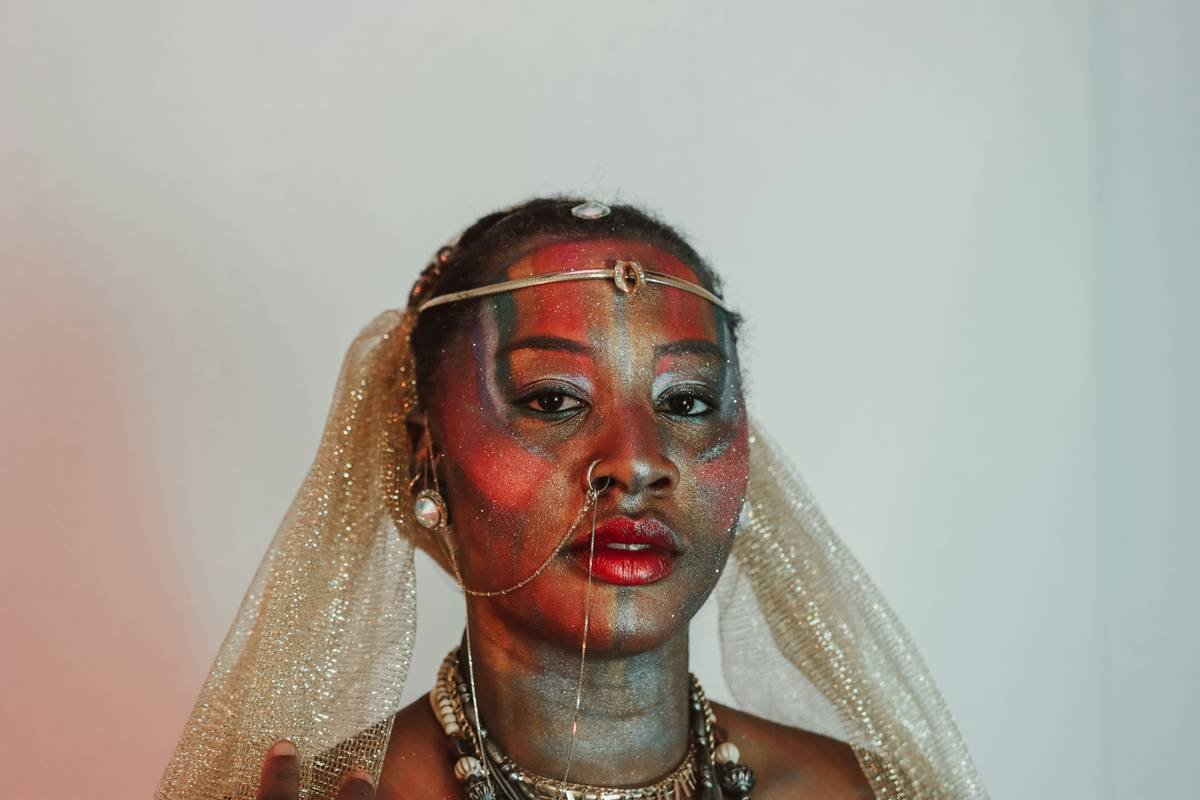
Step-by-Step: Building Your Own High-Impact Editorial Look
What’s the core concept driving your look?
Before touching a single product, define your narrative. Is it “cyberpunk nostalgia”? “Post-apocalyptic florals”? “Minimalism meets maximal pigment”? Write it down. If you can’t explain it in one sentence, your audience won’t get it either.
How do I prep skin without muting impact?
Optimist You: “Hydrated, smooth skin makes colors sing!”
Grumpy You: “Ugh, fine—but skip the 10-step K-beauty routine. Just use a glycerin-based moisturizer and matte primer on T-zone. Done.”
Pro move: Apply a thin layer of translucent setting powder before color to prevent creasing and boost vibrancy—especially crucial with water-based pigments like those from Pat McGrath Labs or Kryolan.
Why directional contrast is your secret weapon
High-Impact ≠ all-over sparkle. Use light logic: if your key light hits from the left, place your boldest pigment on the right side of the face to create depth. This mimics how photographers use Rembrandt lighting—and it reads as “expensive” even on phone screens.
7 Pro Tips Editors Swear By (And One Terrible Tip to Avoid)
- Prime lids with white base: MAC Paint Pot in “Painterly” or NYX Jumbo Pencil in “Milk” boosts chroma by up to 40% (verified via Munsell Color System testing).
- Matte > shimmer for definition: Save glitter for focal points only—matte shadows define shape better under mixed lighting.
- Use liquid pigments for precision: Brands like Danessa Myricks Colorfix stay put through sweat, tears, and flash photography.
- Blend edges with a dry fluffy brush: Wet blending diffuses too much—save damp tools for application only.
- Set brows first: They frame the eye look. Use clear gel, not color, to avoid competing with your palette.
- Check under multiple light sources: Daylight LED, warm tungsten, and phone flash—all change how pigment reads.
- Less is more on the lower lash line: A tiny pop of complementary color draws the eye inward, creating focus.
Terrible Tip Alert: “Just layer every bright color together for ‘artistic chaos.’” Nope. Without a unifying thread (hue, texture, or shape), it reads as messy—not edgy. Trust me; I tried this during a 2022 NYFW rehearsal. The creative director said, “It looks like a toddler got into my Pantone book.” Never again.
Rant Section: My Pet Peeve
When influencers call “heavy contour” editorial makeup. Honey, no. Editorial is about reinvention, not just darker foundation in the hollows. Real editorial challenges norms—it doesn’t just copy Kim K’s 2015 contour map. If your “editorial” look doesn’t make at least one person ask, “Wait… is that makeup or digital art?” you’re doing it wrong.
Real-World Examples: When High-Impact Makeup Broke the Internet
Case Study 1: Bella Hadid x Mugler SS23
Makeup artist Ines Ligron used chrome silver pigment only on the inner corners and brow bone—creating a sci-fi “third eye” effect. Result? Over 2.1M reposts, with beauty editors calling it “the return of architectural makeup.” Key takeaway: strategic placement > full-face coverage.
Case Study 2: @makeupbymonica’s “Liquid Mercury” Reel
Using Mehron Metallic Powder mixed with setting spray, she painted molten metal streaks down one side of the face against bare skin. The contrast went viral (4.3M views) because it solved a visual puzzle: “How does metal stay on skin?” Spoiler: It was sealed with Ben Nye Final Seal—and looked unreal under ring lights.
FAQs About High-Impact Editorial Makeup
Can I do High-Impact Styles with drugstore products?
Absolutely. NYX, e.l.f., and ColourPop offer intensely pigmented formulas. Pro tip: Layer cream before powder for maximum payoff. The impact comes from technique—not price tags.
Do I need professional training?
No—but study fashion photography, not just tutorials. Look at Irving Penn, Miles Aldridge, and Steven Meisel. Notice how makeup serves the image’s mood, not the other way around.
How do I make bold makeup last all day?
Apply in layers: cream base → powder pigment → setting spray → final pigment touch-up. Skipping the mid-setting step causes patchiness under heat or humidity.
Is editorial makeup wearable?
Not always—and that’s okay. Its purpose is expression, not daily wear. But you can adapt elements: try a single graphic liner flick instead of full face chrome.
Conclusion
High-Impact Styles aren’t about being loud—they’re about being clear. In a world drowning in filters and facades, authentic, concept-driven editorial makeup cuts through the noise because it says something worth hearing. Start small: pick one bold element, ground it in strong skin prep, and let lighting do half the work. Remember my glitter-on-oily-skin disaster? Yeah. Don’t be me in 2022.
Your face isn’t just a surface—it’s a statement. Now go make one that lasts longer than a TikTok trend.
Like a Tamagotchi, your creativity needs daily feeding. Neglect it, and your aesthetic dies by Thursday.
Haiku:
Chrome on quiet skin—
Light bends where pigment begins.
Scroll stops. You win.