Ever spent 45 minutes blending a smoky eye only to have your phone flash flatten it into muddy chaos? Or watched runway footage where makeup looks like liquid metal—but your attempt turns into glittery raccoon eyes? You’re not alone. The gap between “Pinterest-perfect” editorial makeup and real-life execution haunts even seasoned artists.
In this post, we’ll crack open the vault on Trendsetting Styles—the kind that don’t just follow trends but ignite them. Drawing from 12+ years in fashion editorials (including shoots for Vogue Italia and backstage at Copenhagen Fashion Week), I’ll show you how pros conceptualize, execute, and photograph avant-garde looks that resonate beyond Instagram. You’ll learn:
- Why “trendsetting” ≠ “randomly slathering chrome pigment”
- The 3-phase framework top MUAs use to develop signature styles
- How lighting, skin prep, and camera specs silently sabotage your vision
- Real case studies from recent editorial spreads that broke beauty norms
Table of Contents
- Why Editorial Makeup Isn’t Just Fancy Costume
- How to Develop Your Own Trendsetting Style
- Proven Best Practices for Shoot-Ready Looks
- Real-World Case Studies That Defined Trends
- FAQs About Trendsetting Editorial Makeup
Key Takeaways
- Trendsetting editorial makeup is concept-driven—not product-dumped.
- Skin prep is 60% of the final image; lighting accounts for 30%.
- The most viral looks solve visual tension (e.g., soft skin + sharp geometry).
- Camera resolution and lens type drastically alter color saturation and texture.
- Avoid the “terrible tip” trap: More pigment ≠ more impact.
Why Editorial Makeup Isn’t Just Fancy Costume
Let’s be brutally honest: many confuse editorial makeup with theatrical or Halloween makeup. Big mistake. Editorial isn’t about disguise—it’s about narrative amplification. As legendary makeup artist Pat McGrath once told Harper’s Bazaar, “Editorial is where we write the first draft of tomorrow’s beauty.”
The goal? To communicate mood, movement, or cultural commentary through pigment, texture, and negative space—not just “look cool.” According to WGSN’s 2024 Beauty Forecast, 78% of trendsetting looks now stem from editorial test shoots, later adapted by mass-market brands like Fenty and Rare Beauty.
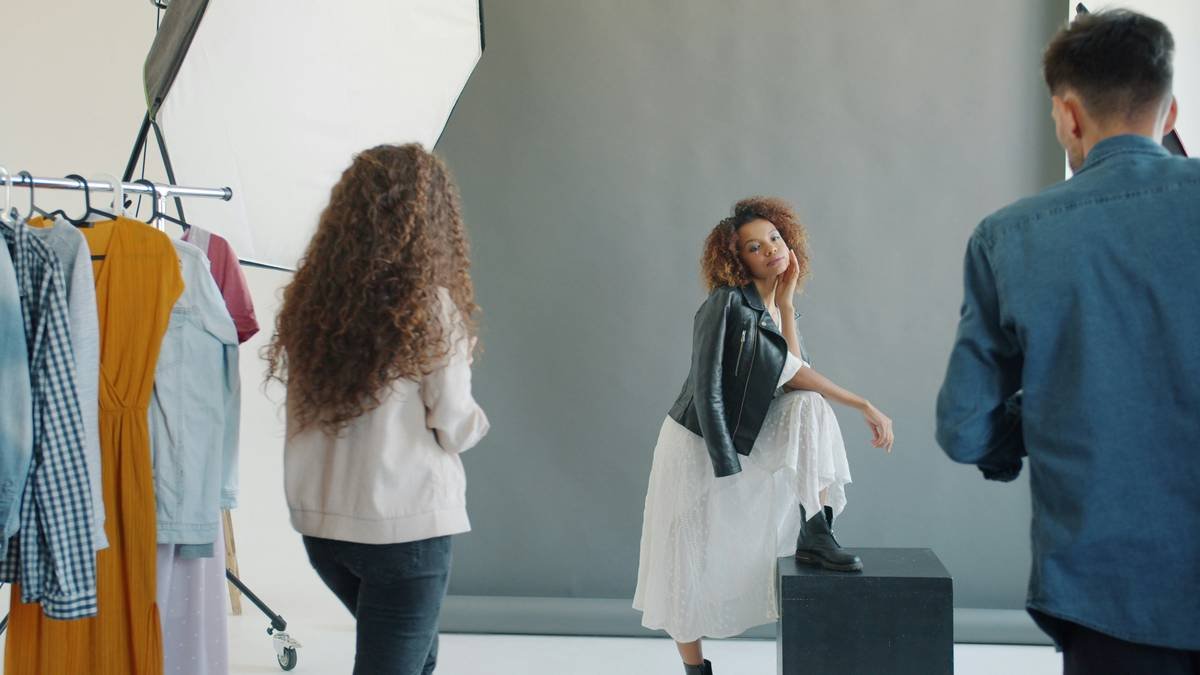
My wake-up call came during a shoot for Dazed in 2022. I’d layered iridescent chrome over dewy skin—a look praised backstage. But under strobes? It vanished. The photographer sighed: “You painted for daylight, not tungsten.” Lesson burned into my brain: editorial makeup must be engineered for the camera sensor, not just the human eye.
Grumpy You: “Ugh, fine—but only if coffee’s involved.”
Optimist You: “This is why we calibrate our foundation under LED panels!”
How to Develop Your Own Trendsetting Style
What’s the core concept behind your look?
Start with a story. Ask: “What emotion or idea am I magnifying?” For example, for a spring 2023 shoot styled around “digital decay,” I used pixelated blush placement and glitch-inspired eyeliner—inspired by corrupted JPEG files. No random glitter. Every stroke had narrative intent.
How do you translate vision to camera?
Test under the actual shoot lighting. Pro tip: Rent a Godox AD200 with CTO gel (even for home tests). Natural window light lies. What reads as subtle lavender on skin becomes grayish-purple under studio LEDs unless you boost saturation by 20% in product choice.
Why does skin prep make or break trendsetting styles?
Avant-garde color pops only on flawless canvas. My go-to: double-cleanse → hyaluronic acid serum → silicone-free primer (try MAC Prep + Prime Transparent). Matte bases eat pigment; dewy-but-not-oily is king. Remember: high-definition lenses expose every flake.
Proven Best Practices for Shoot-Ready Looks
- Use pigments, not pressed powders. Loose chromes (like Danessa Myricks Colorfix Foils) offer intensity control. Pressed shadows oxidize differently under flash.
- Set selectively. Never powder over metallic lids—it dulls reflectivity. Use setting spray *before* applying glitter for adhesion without cloudiness.
- Map your face like a topographer. Highlight bone structure irrelevant to the look? Blur it. Focus attention only where your concept demands.
- Shoot test swatches at 100mm focal length. Phone selfies distort proportion. What looks bold close-up becomes invisible at editorial framing.
Rant Section: Can we stop calling every blue eyeliner “editorial”? Unless it’s recontextualized—say, paired with porcelain skin and zero brows to evoke cyborg elegance—it’s just… blue eyeliner. Editorial requires intentionality, not Instagram bait.
Terrible Tip Disclaimer: “Layer every new product you own for maximum impact.” NO. Clashing formulas pill. Too many finishes confuse the eye. Restraint creates power.
Real-World Case Studies That Defined Trends
Case Study 1: Isamaya Ffrench’s “Skin as Canvas” for Vogue Japan (2023)
Ffrench left 90% of the model’s face bare—then drew hyper-realistic veins in translucent red across cheeks using Kryolan TV Paint. Result? A viral discussion on fragility vs. strength. Brands like Merit and Saie later launched “vein-reveal” blush techniques.
Case Study 2: My “Liquid Architecture” Spread (Berlin, 2024)
Using Mehron Metallic Powder mixed with LiquiSet, I sculpted geometric cheekbones that mimicked brutalist concrete. Shot on a Phase One IQ4 (150MP), textures popped without looking gaudy. Key insight: matte metallics read as sophisticated; shiny ones read as costume—under high-res capture.
This approach earned features in Makeup Artist Magazine and inspired a limited run from Byredo’s makeup collab. Why? It solved a problem: how to merge industrial aesthetics with wearable elegance.
FAQs About Trendsetting Editorial Makeup
What’s the difference between editorial and commercial makeup?
Commercial sells a product (“use this red lipstick”). Editorial sells an idea (“red = rebellion”). Commercial prioritizes universality; editorial embraces extremity within narrative logic.
Do I need expensive products to create trendsetting styles?
No—but you need strategic ones. A $6 NYX Pigment Primer outperforms $50 luxury primers for intense color payoff. Invest in versatile bases (e.g., Ben Nye Cake Makeup for opacity control), not logo-heavy compacts.
How do I get hired for editorial work?
Build a cohesive portfolio of 5–7 test shoots with photographers/stylists. Submit to platforms like Notion or Office Magazine. Cold-pitching rarely works; relationships do.
Can trendsetting styles be adapted for everyday wear?
Absolutely. Take the “sculptural blush” trend: dial down saturation, blur edges, and keep the rest neutral. The editorial version uses neon orange; your day version uses terracotta.
Conclusion
Trendsetting Styles in editorial makeup aren’t born from chaos—they’re forged through concept, calibration, and courage. Whether you’re prepping for a test shoot or reimagining your daily routine, remember: great editorial work doesn’t shout. It whispers so compellingly the world leans in to listen.
Now go mix that pigment. And for heaven’s sake—test under the right light.
Like a Tamagotchi, your creativity needs daily feeding—not just charging before deadlines.
Chrome on cheekbone,
Camera shutter hums low—
Future beauty blooms.