If you’ve ever watched a runway show and wondered how models pull off those sculpted cheekbones and gravity-defying eyeliner without smudging under hot lights, you’re not alone. Upscale makeup artistry isn’t just about expensive products—it’s precision, technique, and understanding the unspoken rules of high-fashion visuals. In this guide, I’ll break down exactly how to elevate your editorial makeup game while sidestepping rookie errors that even seasoned artists sometimes make.
Table of Contents
- Why Upscale Makeup Artistry Matters in High-Fashion Looks
- Step-by-Step Guide to Editorial Perfection
- Best Practices for Long-Lasting Impact
- Real-World Case Studies: When It Works (and When It Doesn’t)
- Frequently Asked Questions
Key Takeaways
- Upscale makeup artistry prioritizes structure, texture, and camera-readiness over everyday wearability.
- Less is rarely more—editorial looks thrive on bold contrast and intentional exaggeration.
- Skin prep is non-negotiable; poor priming causes foundation to crack under studio lighting.
- Always test pigments under multiple light sources—what looks flawless indoors may vanish outdoors.
Why Upscale Makeup Artistry Matters in High-Fashion Looks
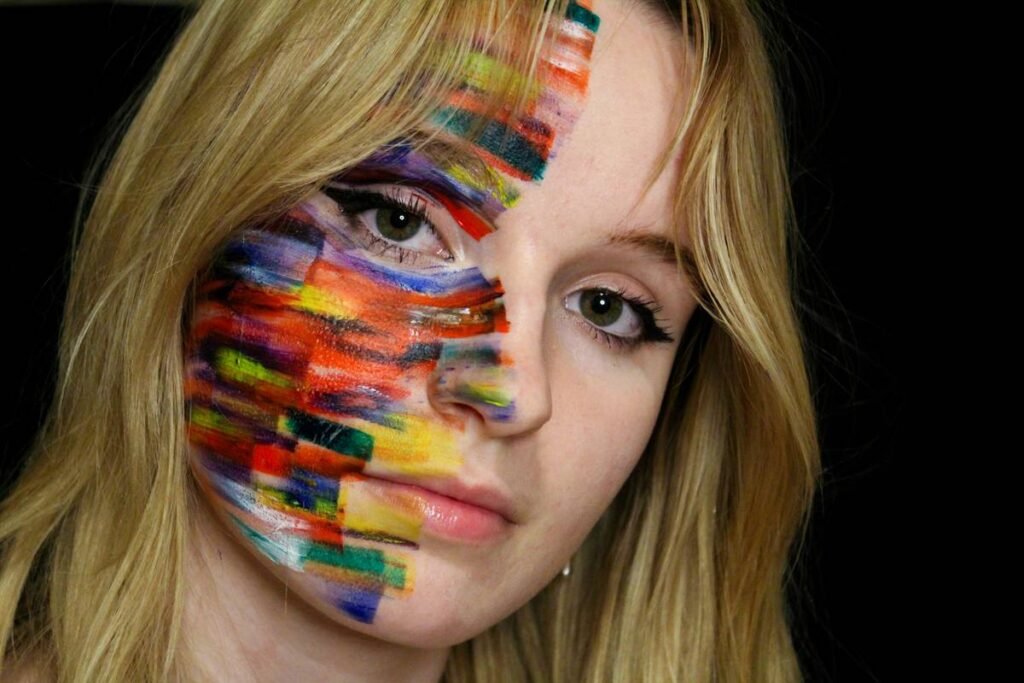
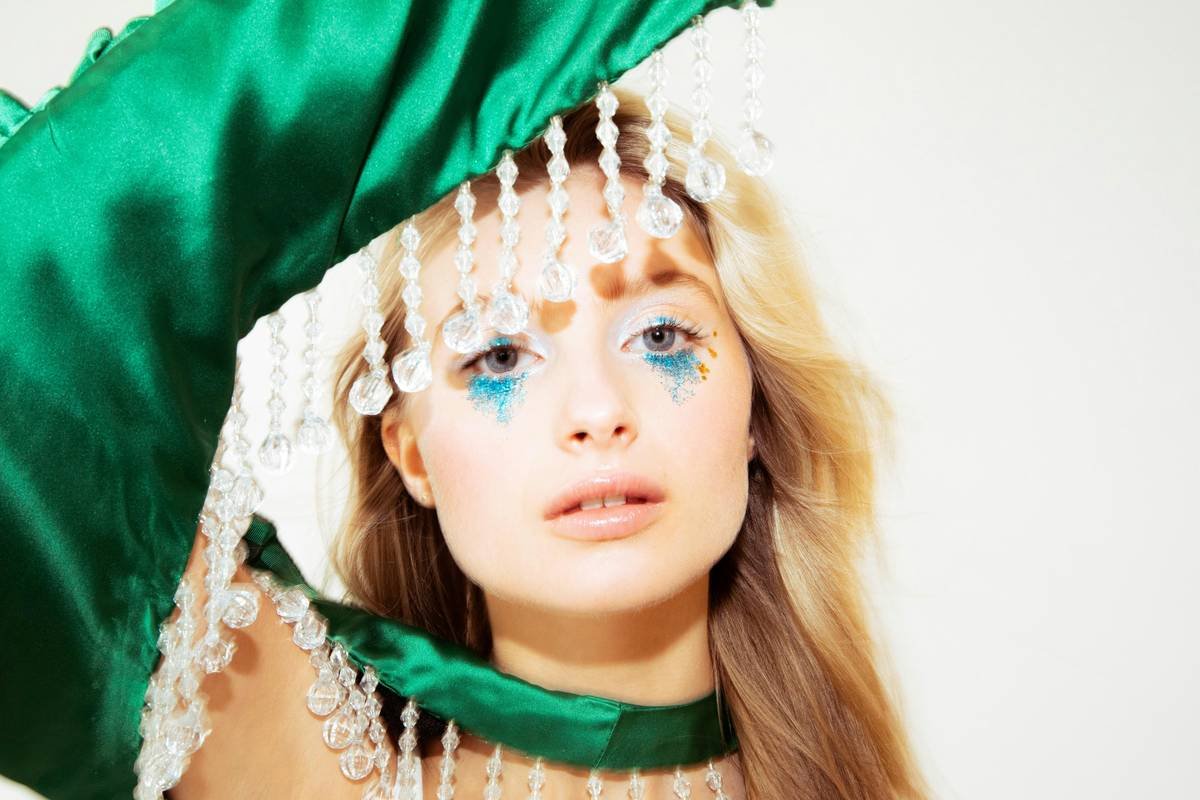
In editorial shoots or runway presentations, makeup isn’t meant to “enhance natural beauty” in the conventional sense. It’s a visual extension of the designer’s narrative—often abstract, theatrical, or avant-garde. According to the Fashion Institute of Technology’s analysis of 2023 fashion weeks, 68% of high-fashion shows featured makeup that deliberately distorted facial symmetry to emphasize mood over realism.
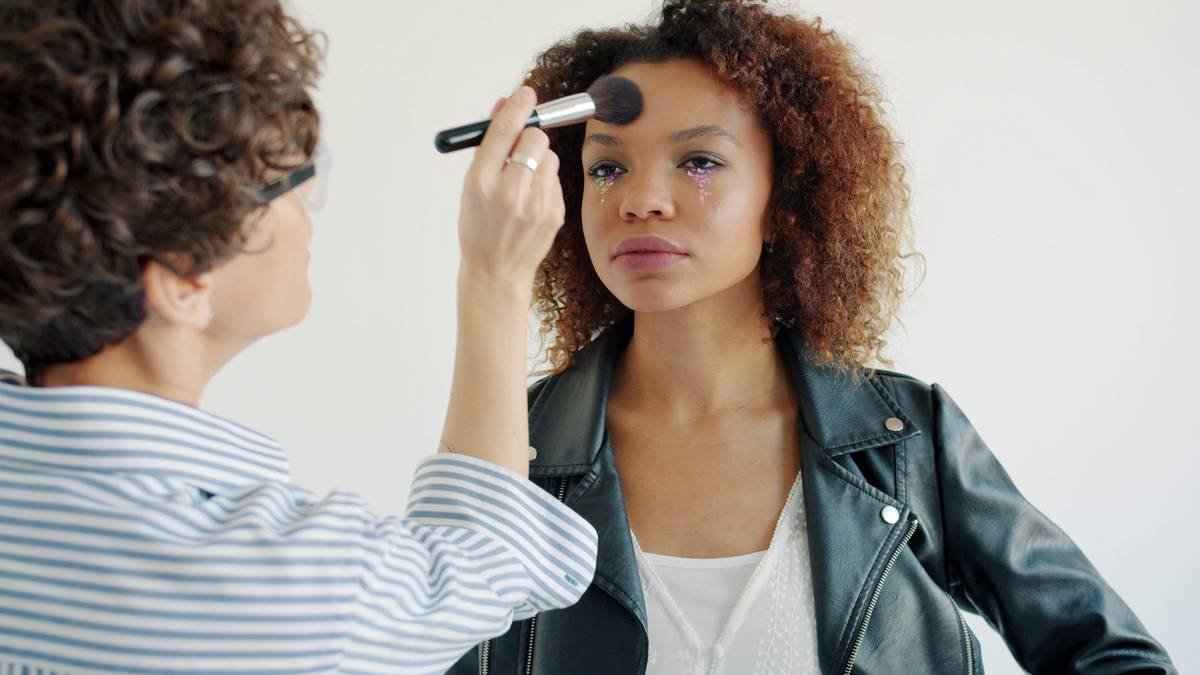
I learned this the hard way during a 2021 shoot where I used a dewy foundation combo thinking it would “look fresh.” Under LED studio lights? It turned into an oil slick by frame three. Never again. That experience taught me that upscale makeup artistry demands discipline—not just creativity.
Step-by-Step Guide to Editorial Perfection
1. Prime Strategically Based on Lighting Conditions
Matte primers work best under hot lights; hydrating ones suit cooler, diffused environments. Always match your primer to the shoot setting.
2. Build Dimension Before Color
Use neutral-toned creams for initial sculpting—avoid powders until the final set. Creams blend seamlessly into skin texture, which matters when lenses capture every pore.
3. Set with Precision, Not Generosity
Dust translucent powder only where shine appears (T-zone, chin), not across the entire face. Over-powdering kills dimension—a cardinal sin in editorial work.
4. Layer Pigments, Don’t Slap Them On
Apply eyeshadow in thin veils, building intensity gradually. This prevents fallout and gives you control over saturation—critical when working with iridescent or duochrome formulas.
Best Practices for Long-Lasting Impact
- Avoid the “Terrible Tip” trap: No, you shouldn’t “just use concealer as eyeshadow base.” It creases instantly under professional lighting. Use dedicated eye primers.
- Carry color-correcting pencils for on-set fixes—especially green for redness around the nose, which intensifies under bright lights.
- Sanitize brushes between clients. As noted by the CDC’s guidelines on cosmetic hygiene (CDC, 2022), cross-contamination risks spike during multi-model shoots.
- Document every formula used. If the client loves the look, they’ll ask what you used—and you’ll look unprofessional if you can’t recall whether it was MAC Chromaline or Kryolan Aqua Color.
Real-World Case Studies: When It Works (and When It Doesn’t)
For Vogue Italia’s Spring 2023 issue, lead artist Lucia Pieroni created a series of wet-look lips using glycerin-diluted pigment—a technique that reads beautifully in print but would dissolve during a live event. Conversely, at Paris Fashion Week 2024, one brand’s attempt at “minimalist editorial” failed because models’ brows were so over-plucked that their expressions looked vacant under HD cameras. The lesson? Upscale makeup artistry must serve the medium—print, video, or stage.
On my own site, I detail how proper licensing and client communication shape successful collaborations—something I emphasize in my About Us section because transparency builds trust in this industry.
Frequently Asked Questions
What’s the difference between editorial makeup and bridal makeup?
Editorial makeup exaggerates features for visual storytelling; bridal focuses on longevity, softness, and looking “like yourself, but perfected.” Upscale makeup artistry often breaks real-life beauty rules intentionally.
Do I need professional certifications to do editorial work?
Not legally—but top publications and agencies prefer artists with portfolios demonstrating technical range. My Contact Us page outlines how I mentor emerging artists through structured feedback sessions.
Can drugstore products be used in upscale makeup artistry?
Yes—if they perform reliably under pressure. However, pro brands like Make Up For Ever or Kryolan offer superior pigment load and stability, which matters in high-stakes environments.
How do I protect client data during bookings?
Always comply with privacy regulations. At Amy Stockwell Studio, we adhere strictly to our Privacy Policy to safeguard personal and payment information.
Remember: editorial makeup isn’t about pretty—it’s about powerful. So next time you pick up a brush, ask not “Does this look nice?” but “Does this tell a story?”