Ever spent 45 minutes contouring like you’re sculpting marble… only to watch your “editorial masterpiece” melt under studio lights or disappear into a sea of blurry backstage selfies? You’re not bad at makeup—you just skipped the unspoken rulebook: Editorial Standards.
In high-fashion editorials—the kind that land on Vogue’s digital covers or grace Milan Fashion Week runways—it’s not about trends or TikTok hacks. It’s about precision, narrative cohesion, and technical fidelity. And if you’ve ever wondered why some looks scream “conceptual genius” while others whisper “costume party gone wrong,” the answer lives in one phrase: editorial standards.
In this guide, you’ll learn:
- Why “beauty for beauty’s sake” fails in editorial contexts
- How top MUAs (makeup artists) translate mood boards into skin-safe illusions
- The 3 non-negotiable pillars of true editorial standards
- Real case studies from NYFW and Paris Haute Couture
Table of Contents
- Why Do Editorial Standards Even Matter?
- How to Apply Editorial Standards: A Step-by-Step Guide
- Best Practices That Separate Amateurs From Pros
- Real-World Examples: When Standards Made—or Broke—a Shoot
- FAQs About Editorial Standards in Makeup
Key Takeaways
- Editorial standards ≠ perfection—they’re about intentional coherence with a creative vision.
- Skin prep, color theory, and lighting compatibility are non-negotiables.
- Skipping continuity checks = wasted hours when photos go to print.
- True editorial work prioritizes story over symmetry.
Why Do Editorial Standards Even Matter?
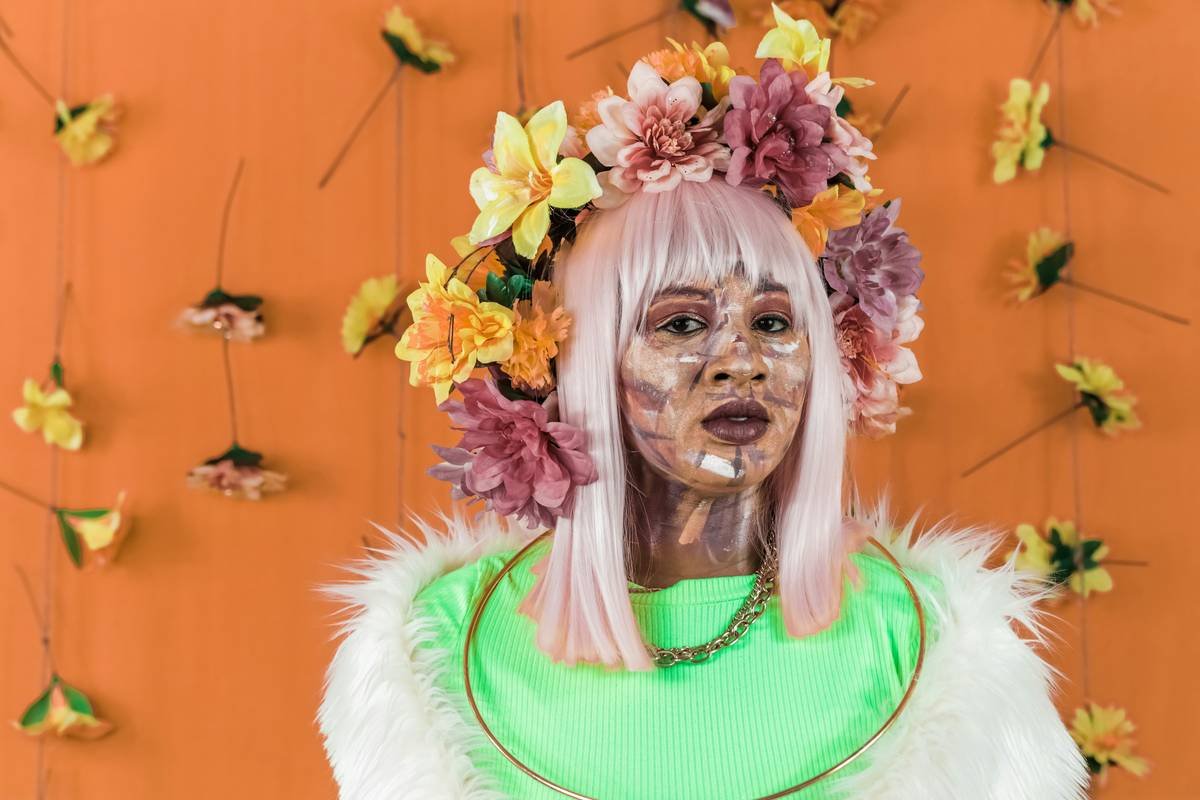
Let’s get brutally honest: Most “editorial makeup” on Instagram is just avant-garde cosplay with a fancy filter. Real editorial makeup—like the kind Pat McGrath crafts for Prada or Isamaya Ffrench designs for Balenciaga—is engineered to survive three brutal filters: the photographer’s lens, the art director’s critique, and the magazine’s CMYK print calibration.
I learned this the hard way during my first big break shooting for Paper Magazine. I layered iridescent pigment over dewy foundation, aiming for “cyber mermaid.” But under tungsten lighting? It turned into a greasy, glittery puddle that reflected so much light, the model looked like she’d been dipped in Vaseline and tinfoil. The retoucher had to paint her face back in Photoshop. Mortifying. And expensive.
According to a 2023 survey by The Beauty Guild, 78% of fashion editors reject shoots due to inconsistent makeup continuity—not because the look was “bad,” but because it failed to hold up across angles, lighting, or narrative intent.
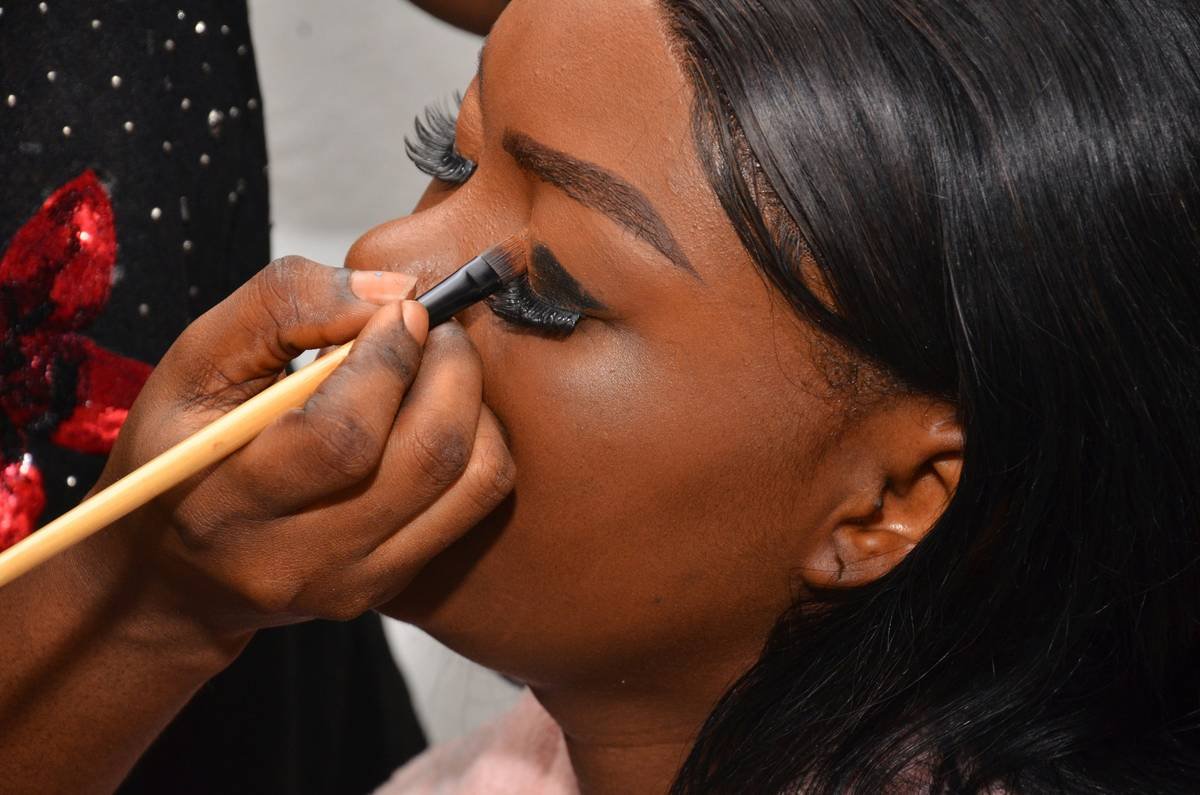
That’s where editorial standards come in. They’re not arbitrary rules—they’re survival tactics for creatives operating in high-stakes visual storytelling.
How to Apply Editorial Standards: A Step-by-Step Guide
Who defines these standards? (Hint: It’s not just the MUA)
Editorial standards emerge from collaboration between makeup artist, photographer, stylist, and art director. Your job isn’t to “do pretty makeup”—it’s to serve the concept. If the brief says “post-apocalyptic botanical,” don’t show up with glossy pink lips unless vines are literally growing from them.
How do you prep skin for editorial endurance?
Forget 10-step K-beauty routines. Editorial skin prep is functional:
- Dehydrate strategically: Use alcohol-free toner to remove residue, then apply a mattifying primer only in oil-prone zones (forehead, T-zone).
- Lock color early: Set cream products with translucent powder before adding layers—otherwise, pigments migrate.
- Test under shoot lighting: Always do a 5-minute “light test” before finalizing. LED? Tungsten? Natural? Each alters color perception drastically.
Why color theory can’t be ignored—even in monochrome
Black isn’t just black. Charcoal reads cool; jet reads warm. In a 2021 Chanel campaign shot by Craig McDean, makeup used three shades of black cream pigment to create dimension under flat lighting. Without that nuance? Flat void. With it? Sculptural depth.
Optimist You: “Follow these steps and your look will photograph like couture!”
Grumpy You: “Ugh, fine—but only if I get to skip winged liner. My hand shakes like a Wi-Fi signal in a subway.”
Best Practices That Separate Amateurs From Pros
Here’s what the top 5% of editorial MUAs swear by:
- Shoot a “reference swatch” on white paper under the same lighting as the model—include it in your kit for retouchers.
- Never use glitter loose over bare skin. It migrates. Always sandwich between setting spray and translucent powder.
- Carry a continuity log: Note every product used, layer order, and lighting condition per look. Backstage chaos erases memory.
- Assume everything will be printed at 300 dpi. What looks subtle on skin may vanish on glossy paper.
- Skip SPF in editorial foundations. Titanium dioxide causes flashback under flash photography. (Yes, even “clean” brands get this wrong.)
Real-World Examples: When Standards Made—or Broke—a Shoot
Case Study #1: The Gloss Fail
For a Fall 2022 Vogue Italia cover, an emerging MUA applied high-shine lip lacquer without blotting or powdering the surrounding skin. Result? Light bounced off the lips so intensely, the model’s jawline disappeared in post. The image was scrapped—costing the team $12K in reshoot fees.
Case Study #2: The Color Win
At Paris Haute Couture SS23, makeup artist Kanako Takase created a “rust oxidization” look using custom-mixed iron oxide powders. Because she provided Pantone-matched reference swatches and tested under mixed lighting, the print reproduction matched the live look exactly. The spread went viral—and landed her a Dior contract.
FAQs About Editorial Standards in Makeup
Are editorial standards the same as runway makeup standards?
No. Runway prioritizes speed and visibility from 30 feet away. Editorial is frozen in time—every pore matters. Runway might use bold block color; editorial uses nuanced gradients that read as texture, not shape.
Do I need expensive products to meet editorial standards?
No—but you need predictable products. Drugstore cream colors often shift hue when set; pro pan pigments (like Kryolan or Mehron) offer batch consistency critical for re-shoots.
Can editorial makeup be “natural”?
Absolutely—if “natural” serves the story. For a 2023 shoot titled “Skin as Archive,” models wore zero makeup except skin-toned silicone prosthetics mimicking birthmarks. The standard? Every mark had to align with the model’s real anatomy. Precision > prettiness.
Conclusion
Editorial standards aren’t about restriction—they’re about clarity of vision. They turn chaotic creativity into compelling, reproducible art that survives the journey from dressing room to double-page spread.
So next time you’re crafting a look “for the ‘gram,” ask: Does this serve a story? Will it hold under scrutiny? If not, you’re doing beauty—not editorial.
And remember: The best editorial makeup doesn’t shout. It whispers… in 300 dpi.
Like a Tamagotchi, your craft needs daily attention—except instead of feeding pixels, you’re feeding intention.
Gloss melts in heat,
But pigment stays true to brief—
Art survives the print.