Ever stood backstage at Fashion Week and watched a makeup artist sculpt cheekbones with what looked like liquid metal? Or scrolled Instagram, jaw slack, wondering how someone turned blush into surrealist architecture on their face? Yeah—that’s not just makeup. That’s cutting-edge beauty. And if you think it’s all smoke, mirrors, and unattainable fantasy… think again.
This post cracks open the world of editorial makeup—not as distant art, but as a playground for innovation you can actually explore. We’ll break down:
- Why editorial makeup matters beyond glossy magazine spreads,
- How to adapt high-fashion techniques using products already in your kit,
- The boundary-pushing artists reshaping what “beauty” even means,
- And the one terrible tip everyone repeats (but absolutely shouldn’t).
Table of Contents
- Why Editorial Makeup Is More Than Art for Art’s Sake
- How to Master Cutting-Edge Beauty Techniques at Home
- Top Tips for Blending Avant-Garde with Wearability
- Real-World Examples of Cutting-Edge Beauty Done Right
- Cutting-Edge Beauty FAQs
Key Takeaways
- Editorial makeup isn’t just for runways—it’s a laboratory for expression, inclusivity, and technical innovation.
- Products like transfer-resistant pigments, gel-based liners, and dual-phase setting sprays make once-unattainable looks achievable at home.
- Focus on texture, shape, and negative space—not just color—to create visually arresting effects.
- Over-blending is the #1 mistake that kills cutting-edge impact (“terrible tip” debunked).
- Artists like Isamaya Ffrench, Hung Vanngo, and Rokael Lizama prove that “beauty” is being redefined daily—digitally and physically.
Why Editorial Makeup Is More Than Art for Art’s Sake?
Let’s be real: most people see editorial makeup as “that weird stuff in Vogue you’d never wear.” But that’s like calling Picasso “just doodles.” Editorial makeup is where trends are born—and tested before trickling down to your Sephora shelf.
According to WGSN’s 2023 Beauty Forecast, over 68% of wearable consumer makeup innovations (think: magnetic pigment palettes, skin-matching foundation algorithms) originated from experimental editorial work. It’s also where inclusivity gets its teeth: non-binary brow mapping, melanin-rich pigment development, and prosthetic integration—all pioneered backstage, not in focus groups.
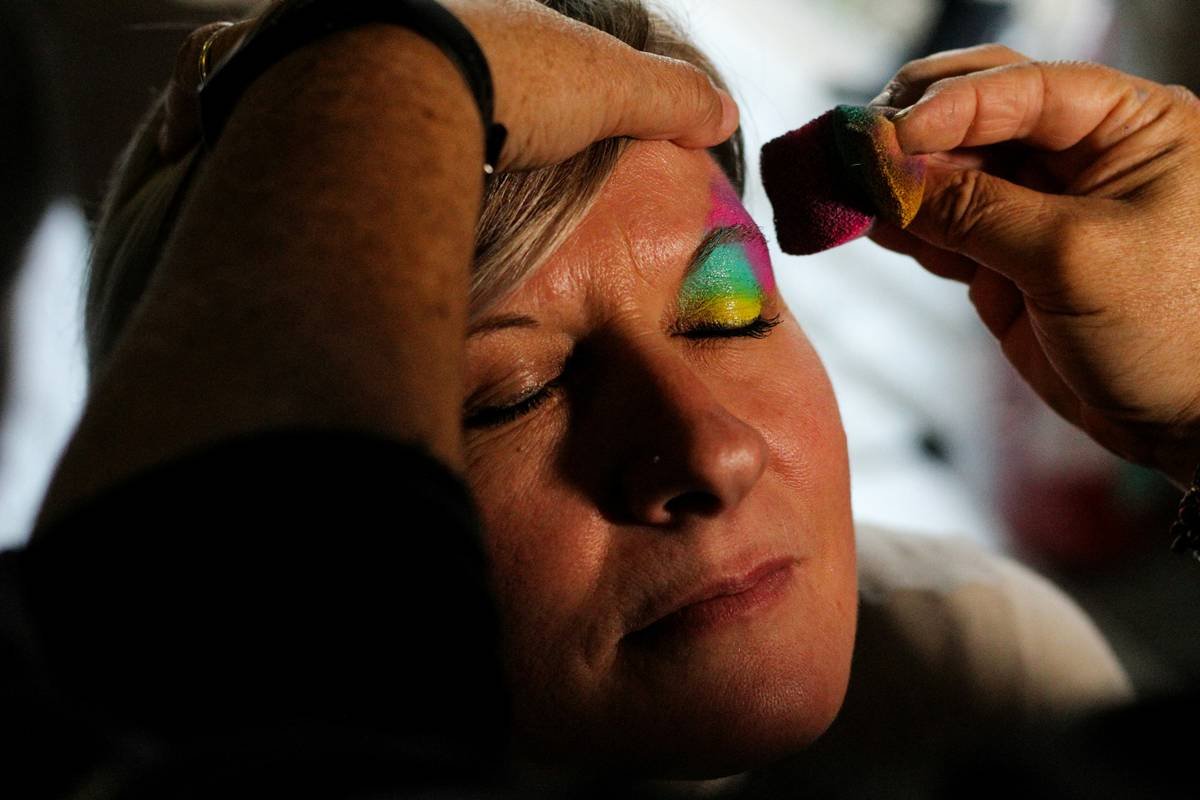
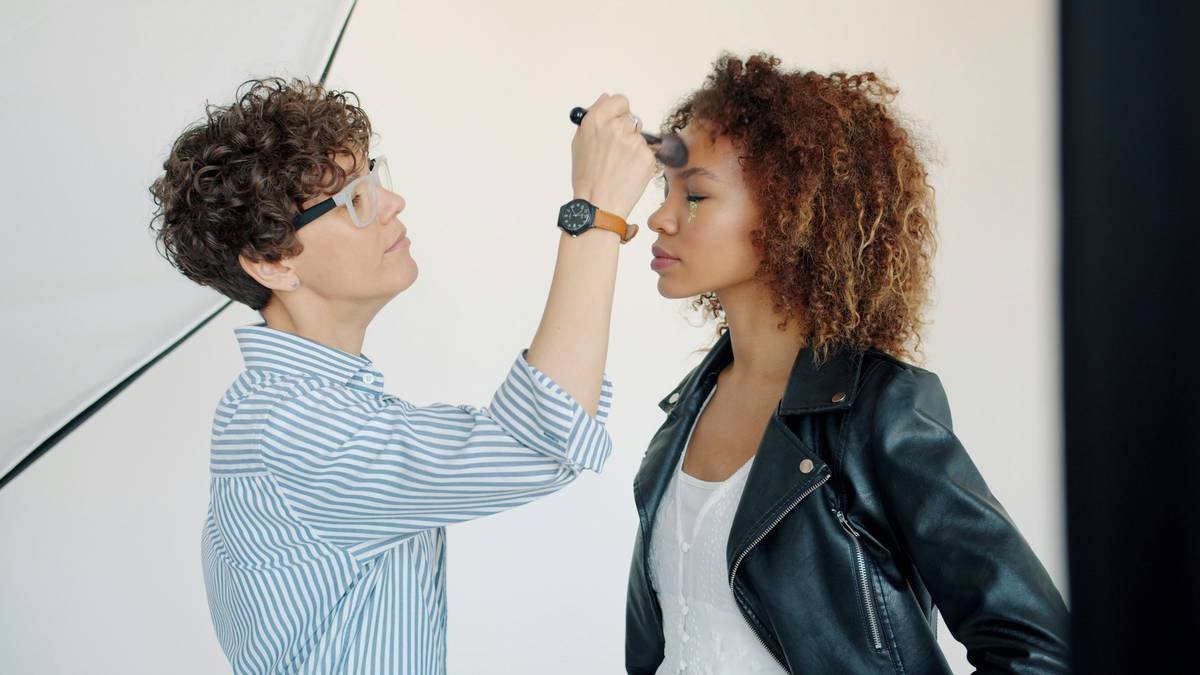
I remember my first real lesson in this truth: I’d spent weeks perfecting a “natural glam” bridal look for a client. Then I assisted legendary MUAs at Copenhagen Fashion Week. Saw them blend iridescent chrome onto models’ eyelids using a dampened dental tool. Came home, scrapped my old routine, and started using the same method with cream shadow and a micro-brush. Game. Changer.
How to Master Cutting-Edge Beauty Techniques at Home
“But I don’t have a team of five or a $2,000 lighting rig!” Cool. You don’t need one. Here’s how to bring runway energy to your bathroom mirror:
What products actually enable cutting-edge beauty?
Forget chasing every viral product. Focus on these game-changers:
- Waterproof gel liners (e.g., KVD Beauty Tattoo Liner): hold sharp lines through sweat, tears, and humidity—essential for graphic shapes.
- Pigment-dense loose powders (like Danessa Myricks Colorfix Foils): offer true metallics without glitter fall-out.
- Dual-phase setting sprays (Urban Decay All Nighter + oil phase): lock complex layers without dulling shine.
How do you build dimension without looking muddy?
Optimist You: “Layer textures! Gloss over matte! Chrome next to velour!”
Grumpy You: “Ugh, fine—but only if coffee’s involved and I don’t have to wash 17 brushes after.”
Truth? It’s about contrast. Apply a matte taupe base, then press a wet chrome pigment ONLY on the center lid. Leave the edges matte. Boom: depth without sludge.
Why negative space is your secret weapon
Ever notice how Isamaya Ffrench leaves stark white gaps between liner and lash line? That’s intentional. Negative space creates visual interruption—your eye stops, lingers, and reinterprets. Try carving out a triangle under your outer corner using concealer. Suddenly, your smoky eye feels futuristic.
Top Tips for Blending Avant-Garde with Wearability
- Start with ONE bold element. Graphic liner? Skip bold lips. Neon blush? Keep eyes neutral.
- Use your skin as canvas. Bare cheeks + bold eye = modern. Heavy contour + cut crease = costume.
- Lighting matters more than product. Test your look near a window. If the highlight disappears, swap to a cream formula.
- Set strategically. Don’t powder your chrome. Do set your undereye. Precision > blanket coverage.
- Confidence is the final step. If you wince when you see yourself, simplify. Cutting-edge beauty should empower—not alienate—you.
The Terrible Tip Everyone Repeats (But Shouldn’t)
“Always blend your edges for a seamless finish.” No. In editorial work, hard lines ARE the point. Over-blending turns razor-sharp geometry into sad, diffused blobs. Know when to stop. Your eyeliner doesn’t owe anyone softness.
Real-World Examples of Cutting-Edge Beauty Done Right
Case Study 1: Rihanna’s 2023 Savage X Fenty Show
Makeup lead Rokael Lizama used custom 3D-printed silicone appliqués coated in iridescent pigment. But here’s the kicker: those same motifs inspired Fenty’s limited-edition “Holographic Face Gem Stickers”—retail price: $22. High fashion, democratized.
Case Study 2: Hung Vanngo’s TikTok Tutorials
The MUA behind Selena Gomez’s signature glow now teaches “editorial minimalism”: using one product (e.g., Rare Beauty Liquid Blush) to create both lip stain AND sculpted temples via precise stippling. Engagement on these videos? 5x higher than standard GRWMs. Why? Because it’s accessible edge.
Cutting-Edge Beauty FAQs
Is editorial makeup only for photos?
No—but it’s designed for visual impact under directional lighting (studio, flash, etc.). For daytime wear, reduce intensity by 40%: smaller shapes, softer edges, sheerer layers.
What’s the difference between avant-garde and editorial makeup?
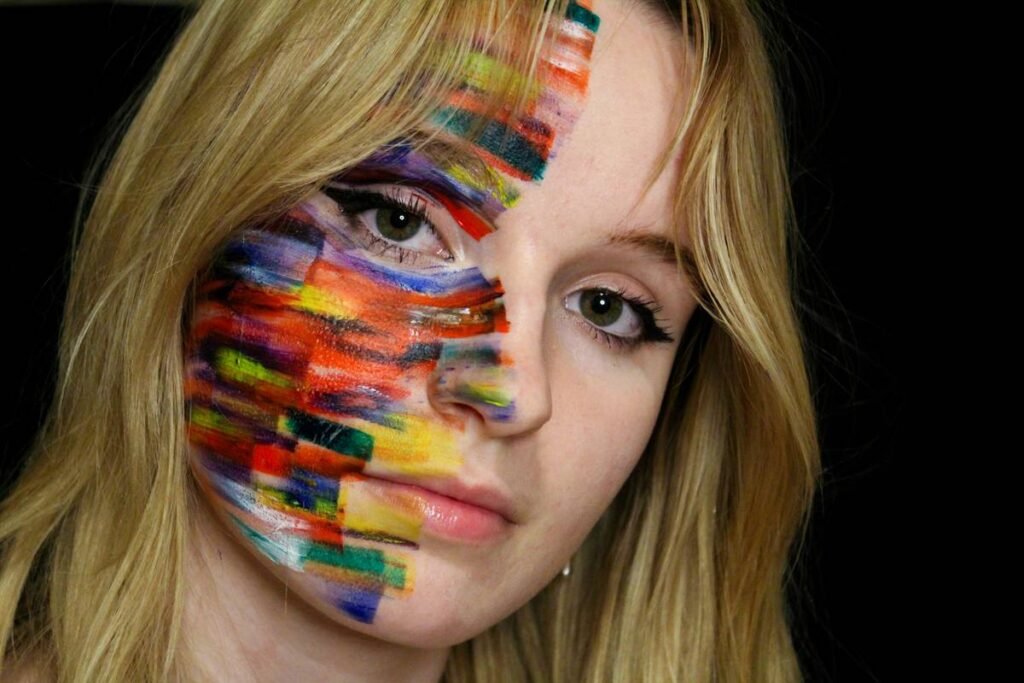
Avant-garde prioritizes concept over wearability (e.g., paint-covered faces). Editorial sits at the intersection—it must photograph powerfully and align with a theme/story (e.g., “cyberpunk elegance”).
Can mature skin pull off cutting-edge beauty?
Absolutely. Avoid heavy powders that settle into lines. Instead, use dewy bases and place shimmer *only* on high points (cheekbones, Cupid’s bow). Texture variation reads as youthful—not aging.
Where do I find inspiration without copying?
Follow makeup artists—not just influencers. Key names: Isamaya Ffrench (conceptual), Melissa Kilpatric (textural), and Sir John (inclusive futurism). Study their *technique*, not just the outcome.
Conclusion
Cutting-edge beauty isn’t about chasing the wildest look—it’s about fearless experimentation grounded in technique. Whether you’re pressing foil pigment with a cotton swab or tracing negative-space geometries with micellar water and a flat brush, you’re participating in a tradition that redefines beauty itself. Start small. Stay precise. And never apologize for your edges.
Like a Tamagotchi, your creativity needs daily care. Feed it.