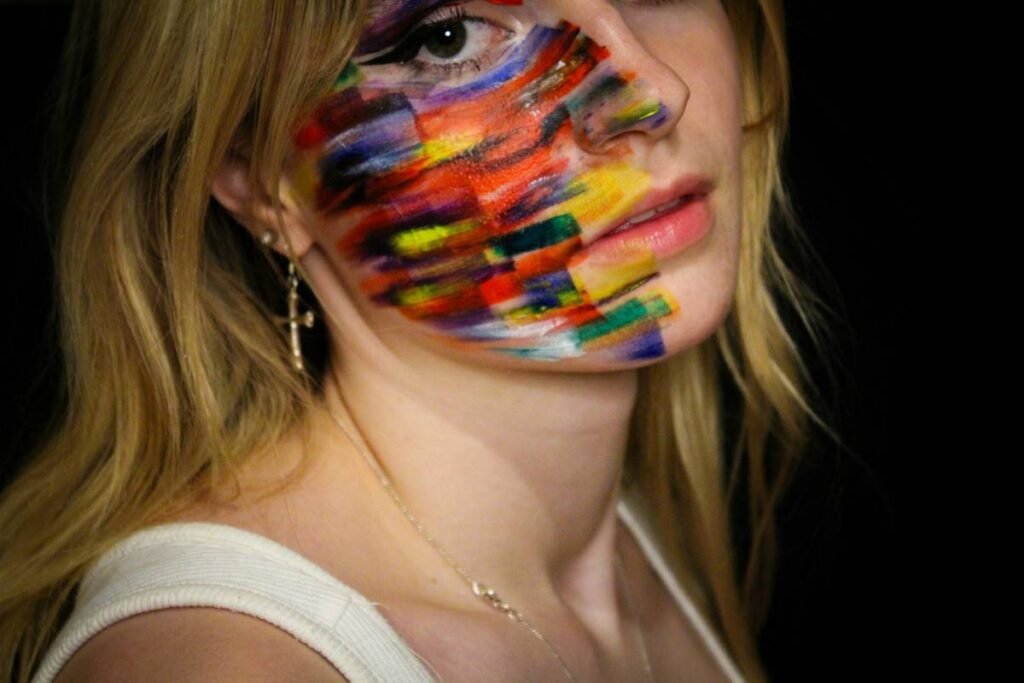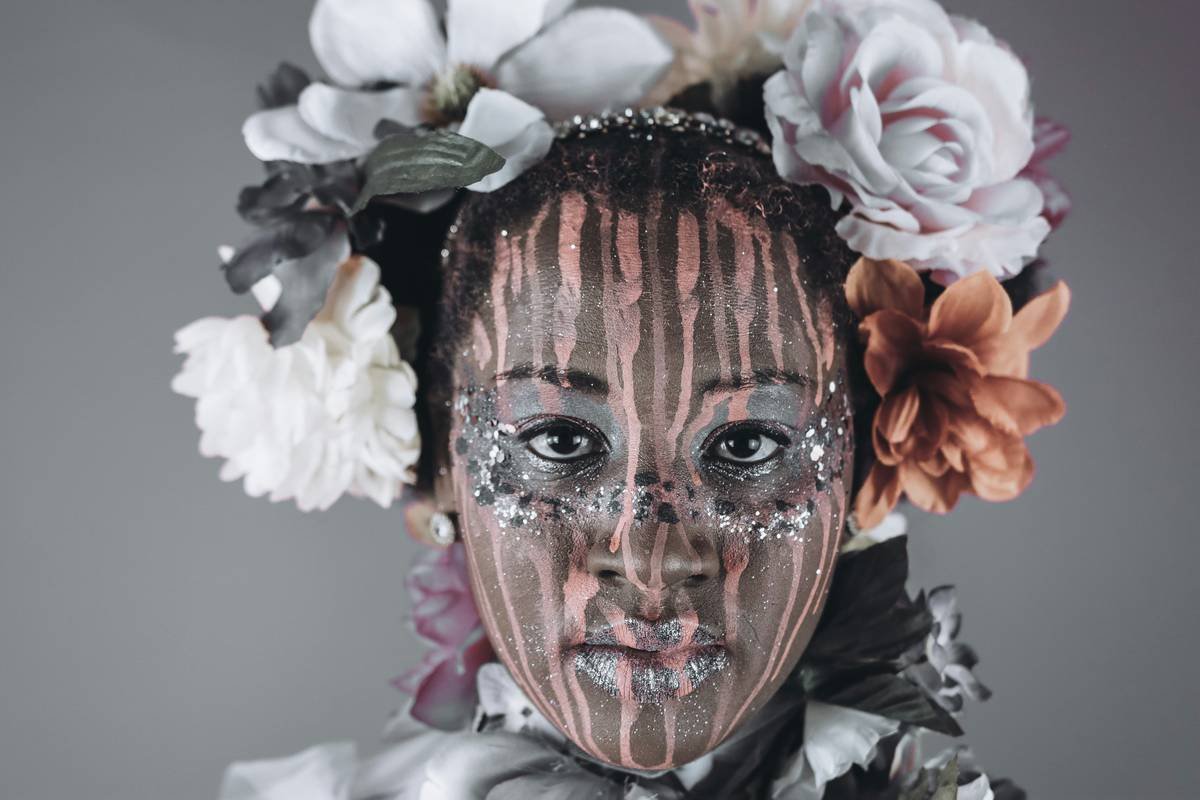
Ever looked in the mirror after trying a “bold” Instagram makeup trend… only to realize you just recreated glittery raccoon eyes with zero editorial intent? Yeah. We’ve all been there—especially when chasing eccentric makeup ideas that scream avant-garde but whisper “I raided my kid’s craft bin.”
If you’re into makeup that thrills fashion editors, lands you on mood boards, and turns subway commutes into runway walks—but still respects your skin’s microbiome—you’re in the right place.
In this post, I’ll walk you through what *truly* defines eccentric editorial makeup (hint: it’s not just neon eyeliner), share step-by-step techniques honed from backstage at NYFW, reveal 5 boundary-pushing looks that actually photograph well, and expose one “viral” tip that could sabotage your skin barrier. Let’s get weird—in the most intentional way possible.
Table of Contents
- Why Most Eccentric Makeup Attempts Fall Flat (Even With Good Intentions)
- How to Build an Eccentric Editorial Look That Holds Up Under Studio Lights
- 7 Best Practices for Skin-Safe, Camera-Ready Eccentric Makeup
- Real Backstage Wins: When Eccentric Makeup Actually Landed
- FAQs About Eccentric Makeup Ideas
Key Takeaways
- Eccentric makeup ≠ random application—it requires strong conceptual grounding and technical precision.
- Skin integrity is non-negotiable; editorial doesn’t mean “sacrifice your barrier.”
- Pigment selection, texture contrast, and negative space are more critical than bold color alone.
- Reference real editorial work (e.g., Pat McGrath, Isamaya Ffrench) over TikTok trends lacking technique.
- Avoid “adhesive overload”—one viral hack uses eyelash glue as face paint, which can cause contact dermatitis (per the American Academy of Dermatology).
Why Most Eccentric Makeup Attempts Fall Flat (Even With Good Intentions)
Eccentric makeup isn’t chaotic—it’s curated chaos. Too often, enthusiasts equate “weird” with “thrown together,” resulting in looks that lack cohesion or wearability (even for photos). The gap? A missing narrative.
In editorial contexts—think Vogue, I-D, or campaign shoots—makeup must communicate a story, emotion, or cultural commentary. It’s not just about standing out; it’s about standing for something.
I learned this the hard way during my first test shoot. Inspired by a Björk music video, I glued iridescent beetle wings around my eyes using spirit gum. Beautiful concept? Maybe. Practical? Not when half fell off mid-shot, leaving sticky residue that triggered periorbital eczema for weeks. (Pro tip: Spirit gum = theatrical use only, not daily wear.)
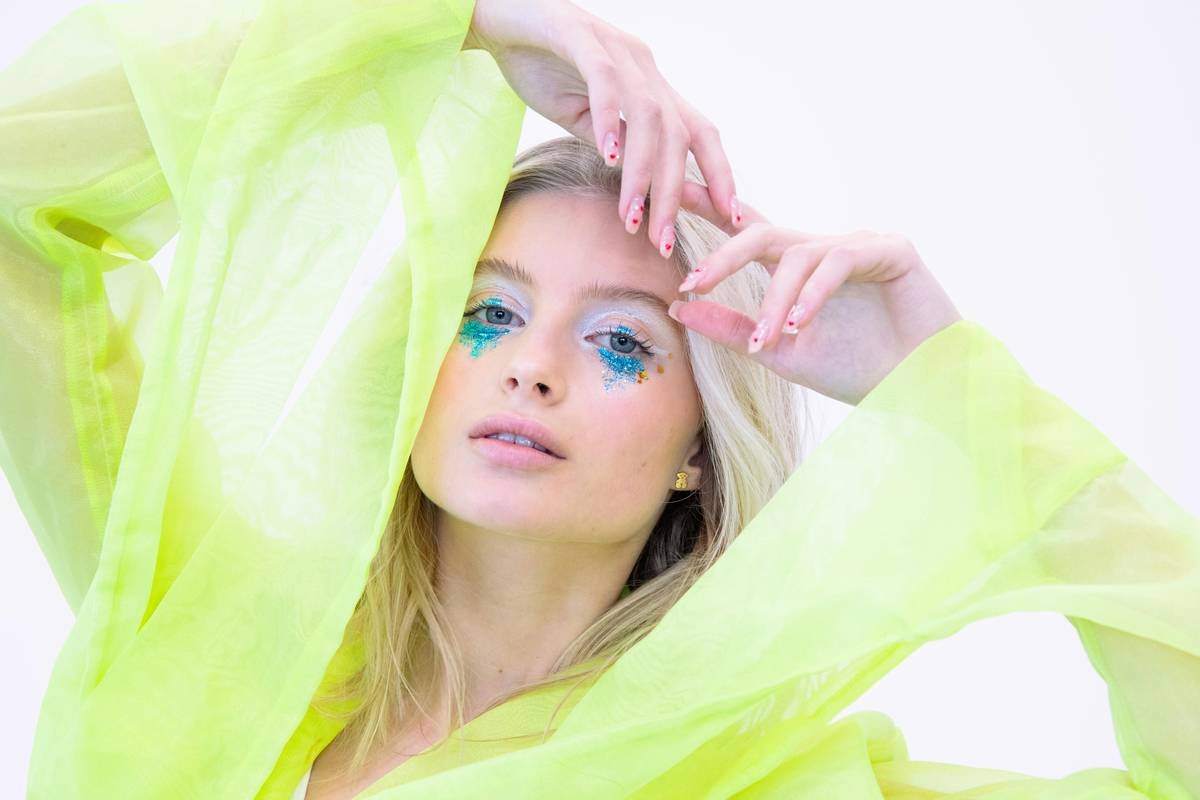
According to a 2023 survey by BeautyMatter, 68% of working MUAs say clients mistake “unconventional” for “undisciplined.” True eccentricity balances innovation with technique—a principle championed by legends like Kevyn Aucoin and modern disruptors like Raisa Flowers.
How to Build an Eccentric Editorial Look That Holds Up Under Studio Lights
Step 1: Start With a Concept—Not a Color Palette
Optimist You: “Let’s go wild with chrome and rhinestones!”
Grumpy You: “Wild without direction is just messy. What are we saying?”
Ask: Is this look exploring identity? Dystopia? Surrealism? Your concept dictates texture, placement, and even product finish. For a “digital decay” theme, I used crackle lacquer over matte foundation—inspired by glitch art, not just shiny stuff.
Step 2: Map Your Face Using Negative Space
Eccentric makeup thrives on contrast. If you’re painting geometric lines across one cheekbone, leave the other bare. This creates visual tension that reads stronger in photos. Backstage at Chromat SS23, lead MUA Yolanda Frederick-Thompson used asymmetrical gloss streaks against matte skin—minimal pigment, maximum impact.
Step 3: Choose Pigments That Won’t Oxidize Under Hot Lights
Studio lighting exaggerates oxidation. That vibrant blue cream pigment? Might turn muddy green after 20 minutes. Stick to high-pigment, light-stable formulas like Mehron Paradise AQ or Kryolan Aquacolor. Always patch-test under similar lighting conditions.
Step 4: Secure Everything—Safely
Rhinestones? Use medical-grade adhesive like Telesis 5 (used in film/TV prosthetics), not nail glue. Avoid placing heavy embellishments near delicate eye tissue. And for body paint extensions? Ben Nye Final Seal locks color without suffocating pores.
7 Best Practices for Skin-Safe, Camera-Ready Eccentric Makeup
- Prep like you’re doing bridal**—even if you’re drawing alien antennae. Hydrated, primed skin ensures pigments adhere evenly and remove cleanly.
- Use editorial-specific products**, not standard cosmetics. Brands like Make Up For Ever’s Aqua XL or Cinema Secrets offer smudge-proof, sweat-resistant formulas designed for prolonged wear.
- Photograph your test swatches** under multiple light sources (daylight, LED, tungsten) before committing.
- Never skip the skin barrier recovery step**: Post-shoot, cleanse with micellar water, then apply ceramide-rich moisturizer (like CeraVe PM) to repair overnight.
- Less is more with scent**: Fragranced adhesives or paints increase irritation risk—opt for hypoallergenic, dermatologist-tested options.
- Document your process**: Note which products caused redness or flaking. Your future self will thank you during Fashion Week prep.
- Respect cultural context**: “Eccentric” shouldn’t mean appropriative. Consult sensitivity readers if borrowing motifs from marginalized cultures.
Real Backstage Wins: When Eccentric Makeup Actually Landed
In 2022, makeup artist Margot De La Croix created a now-iconic look for a Dazed feature: liquid metal tears streaming down a model’s cheeks, achieved with a custom silicone-based paint that moved with facial expressions. The key? She collaborated with a biomaterials lab to ensure skin compatibility—proving innovation needn’t compromise safety.
Another example: Isamaya Ffrench’s “Bio-Mechanical Bloom” series for Gucci Beauty fused organic floral elements with metallic prosthetics. Every adhesive was FDA-compliant, and removal protocols included enzymatic cleansers to prevent micro-tears.
These aren’t just pretty pictures—they’re case studies in how eccentric makeup, when rooted in expertise and ethics, elevates storytelling while honoring the canvas: human skin.
FAQs About Eccentric Makeup Ideas
Can I do eccentric makeup with drugstore products?
Yes—but selectively. Use drugstore bases (e.g., e.l.f. Halo Glow primer) but invest in professional pigments for areas requiring longevity or intense color payoff (like eyes or lips). Avoid waterproof mascaras as eyeliner—they oxidize unpredictably.
How do I remove heavy editorial makeup without damaging my skin?
Double-cleanse: First with oil-based remover (like Clinique Take The Day Off), then with a gentle gel cleanser. Follow with a hydrating toner (Thayers Witch Hazel, alcohol-free version) and barrier-repair moisturizer.
Is eccentric makeup appropriate for everyday wear?
Not usually—and that’s okay! Editorial makeup is performance art for the face. However, you can adapt elements: Try a single floating graphic liner instead of full-face geometry, or swap rhinestones for subtle foil accents.
What’s the biggest mistake beginners make with eccentric looks?
Skipping skin prep and patch testing. Also, overloading texture—mixing glitter, liquid latex, gloss, and feathers often creates visual noise, not intrigue. Edit ruthlessly.
Conclusion
Eccentric makeup ideas shine brightest when they fuse fearless creativity with disciplined technique. It’s not about defying norms mindlessly—it’s about redefining them with purpose, respect for your skin, and a solid grasp of visual language.
So next time you reach for that holographic pigment, ask: What story am I telling? And more importantly—is my skin barrier invited to the party? Because true avant-garde beauty never leaves its canvas in ruins.
Like a Tamagotchi, your skin needs daily care—even when you’re playing god with liquid metal tears.
Chrome lips, cracked porcelain,
Skin hums calm beneath the storm.
Art lives where edges blur.