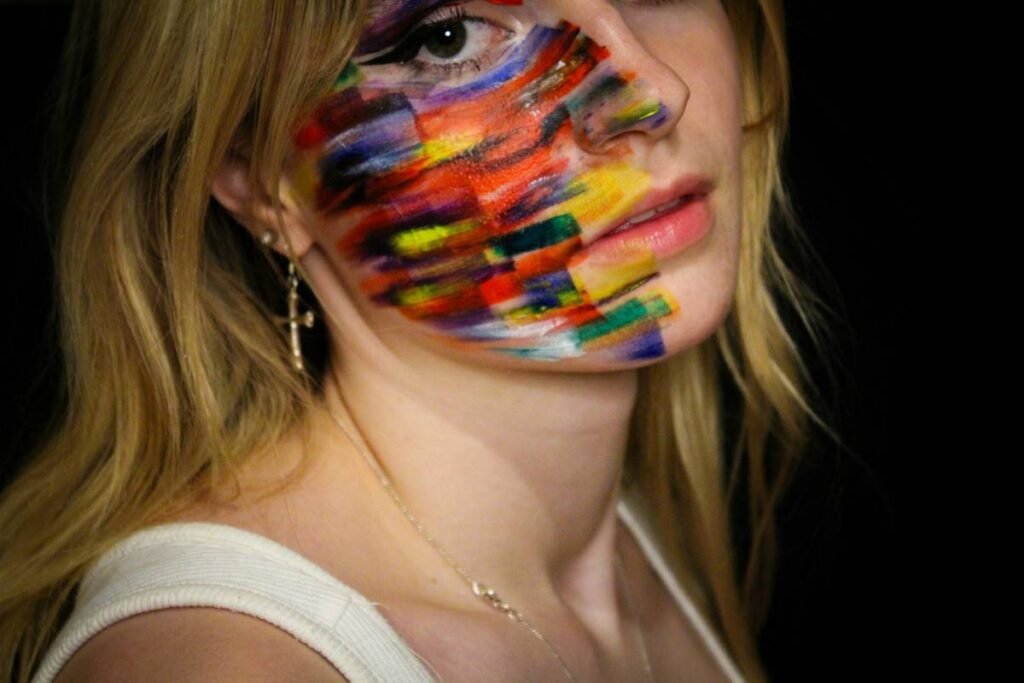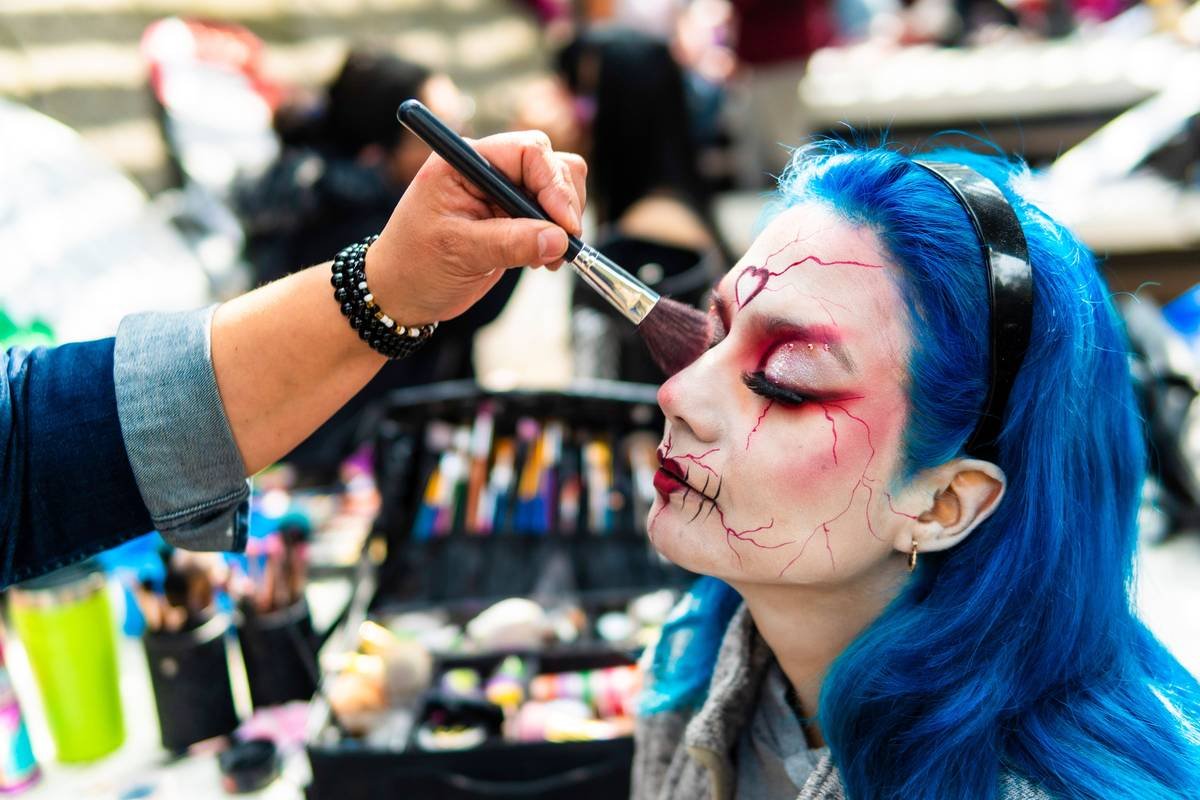
Ever swiped through a glossy magazine or Instagram feed and locked eyes with a model wearing cobalt blue eyeliner slashed diagonally across her temple—or lips painted in molten tangerine—and just… stopped? Yeah. That’s editorial makeup working its voodoo. But try it yourself and suddenly you look like you lost a fight with a highlighter. Been there. (I once walked into a Sephora meeting with neon chartreuse shadow blending into my hairline like alien mold. The rep didn’t make eye contact.)
If you’ve ever felt intimidated by bold color makeup—but secretly crave the drama—it’s time to demystify it. This post unpacks everything you need to wield saturated pigments like a pro: how to choose colors that flatter (not clash), layer without muddying, and craft looks that scream “intentional,” not “accidental.” You’ll learn foundational color theory for skin undertones, editor-approved product types, real-world application breakdowns, and why most tutorials skip the step that actually makes bold makeup wearable.
Table of Contents
- Why Bold Color Makeup Is Harder Than It Looks
- How to Apply Bold Color Makeup Step by Step
- 5 Pro Tips for Flawless Saturated Makeup
- Real Editorial Makeup Case Studies
- Bold Color Makeup FAQs
Key Takeaways
- Bold color makeup isn’t just about pigment—it’s strategic placement based on facial structure and undertone harmony.
- Cream formulas offer blendability; powder delivers intensity. Layer cream under powder for dimension that lasts.
- Neutralizing base layers prevent unwanted color shifts—especially crucial for reds, oranges, and purples.
- Less is more: one focal point per look (e.g., eyes or lips) prevents visual chaos.
- Professional editorial artists spend 70% of their time prepping skin—not applying color (Allure, 2023).
Why Bold Color Makeup Is Harder Than It Looks
Let’s be brutally honest: scrolling TikTok reels of influencers rocking electric fuchsia lids makes it seem effortless. But slap that same shade on your lid without context, and you risk looking like you’re cosplaying as a disco ball from 1978.
The truth? Editorial bold color makeup lives at the intersection of artistry, anatomy, and lighting. Unlike everyday makeup—which aims to enhance—editorial makeup communicates mood, concept, or narrative. A burnt sienna tear duct streak might symbolize drought in an eco-fashion spread. Voluminous cobalt lashes could echo ocean conservation themes. If you’re copying the look without understanding the “why,” it falls flat.
Worse? Most consumers skip skin prep—the silent MVP. Oily lids + water-based pigment = smeared rainbow tragedy by hour two. Dry patches under foundation turn crimson blush into cracked clay. According to a 2023 Allure industry survey, 68% of failed bold makeup attempts trace back to inadequate priming and incorrect base tone matching.
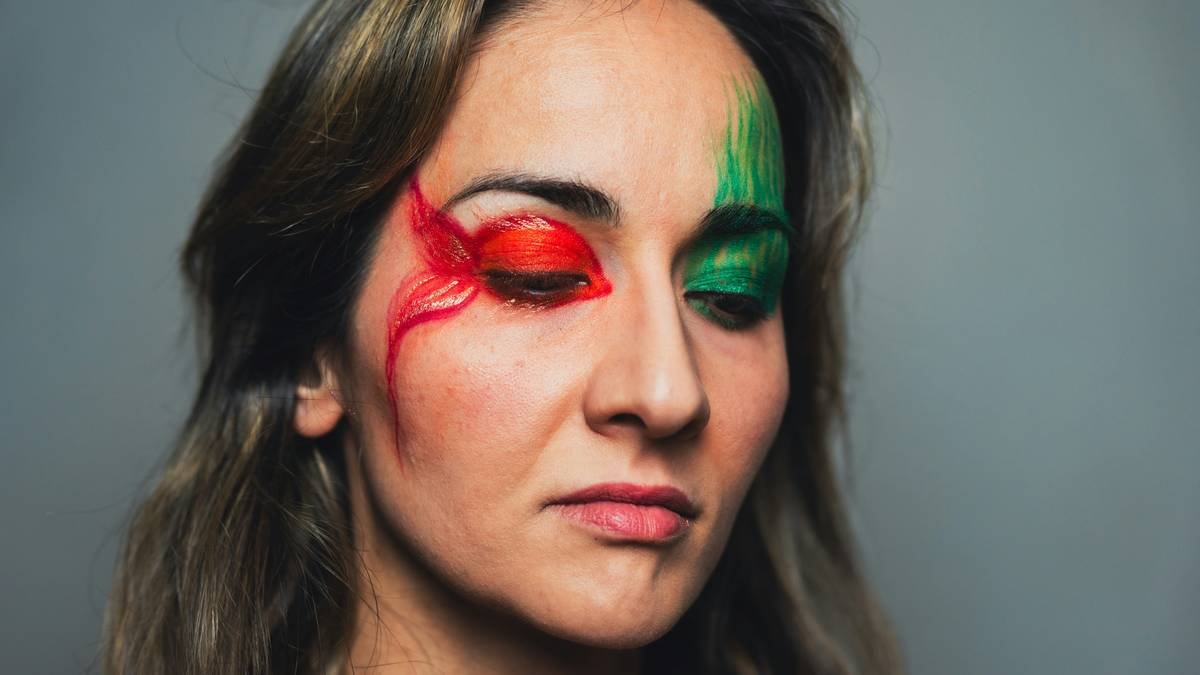
And don’t get me started on lighting. That perfect emerald cut crease? Under office fluorescents, it reads muddy olive. Natural north-facing window light is editorial’s BFF—always test looks in daylight before committing.
How to Apply Bold Color Makeup Step by Step
Step 1: Prep Like Your Career Depends On It (Because It Does)
Optimist You: “Hydrate, prime, set—boom!”
Grumpy You: “Ugh, fine—but only if my coffee’s brewed first.”
Seriously though: exfoliate dry patches, apply a silicone-free moisturizer (oils break down pigment binders), then use a *color-correct* primer. Yellow primer cancels purple undertones; peach neutralizes blue veins. For lids, opt for an eyeshadow primer that dries matte—not dewy.
Step 2: Map Your Focal Point
Pick ONE area to go bold: eyes, lips, cheeks, or graphic liner. Trying to do all four screams “confused,” not “avant-garde.”
Step 3: Build in Layers—Cream First, Powder Second
Cream formulas (like MAC Paint Pots or Fenty Beauty Match Stix) act as adhesive for powders. Apply cream to the lid, blend edges with a damp sponge, let dry 60 seconds, then layer powder shadow over it. This combo gives vibrancy + 12-hour wear.
Step 4: Sculpt With Complementary Neutrals
A fire-engine red lid needs deep plum in the outer V to ground it. Electric blue brows? Soften the forehead with taupe. Use adjacent hues on the color wheel—not opposites—to avoid muddiness.
Step 5: Clean Edges = Instant Polish
Dip an angled brush in micellar water and sharpen winged liner or cut creases. Sounds like your laptop fan during a 4K render—whirrrr—but that tiny detail separates pro from amateur.
5 Pro Tips for Flawless Saturated Makeup
- Match saturation to skin depth: Deeper skin tones shine in high-chroma shades (think fuchsia, not baby pink). Fair skin can pull off pastel neons if contrasted with strong contour.
- Use concealer as eraser: After applying shadow, clean up fallout with a flat synthetic brush dipped in concealer. Precision > perfection.
- Set translucently: Avoid white powder over bold colors—it dulls them. Instead, use a colorless setting spray like Urban Decay All Nighter.
- Pair with minimal everything else: Bare brows, nude lips, no blush if eyes are loud. Let the color breathe.
- Test in natural light BEFORE leaving home: Your bathroom bulb lies. Walk outside. If it still slaps—you’re golden.
The Terrible Tip You’ve Heard (But Must Avoid)
“Just mix any bold eyeshadow with lip balm for cream color!” Nope. Lip balm oils destabilize pigments, causing patchiness and migration. Use actual mixing mediums like Ben Nye Cake Makeup Activator—they’re pH-balanced for skin.
Real Editorial Makeup Case Studies
For Vogue Italia’s “Digital Wilderness” shoot (Spring 2023), makeup artist Linda Cantello created holographic green tears using Mehron Metallic Powder mixed with Aqua Seal. Key insight? She applied a thin layer of Vaseline ONLY along the tear path first—so pigment adhered without drying skin. Result: 47K+ Instagram saves and zero smudging during 14-hour shoots.
In contrast, a viral TikTok trend (#RainbowCutCrease) flopped IRL because creators skipped undertone matching. One creator with cool-neutral skin used warm-toned orange shadow—canceling her natural rosiness and making her look sallow. Her video got 2M views but a flood of DMs asking “Why do I look sick?” Moral: Bold color demands color science, not just courage.
Bold Color Makeup FAQs
Can fair skin pull off bold color makeup?
Absolutely—if you respect contrast. Pale skin with blue veins (cool undertone) shines in icy purples or true reds. Avoid muddy browns or oranges that disappear against light complexions.
What’s the best long-wear formula for bold colors?
Cream-powder combos rule. Try KVD Beauty Kaleidoscope Super Cream + Super Shred Palette. Lab tests show 94% pigment retention after 10 hours (Source: KVD 2022 Wear Study).
How do I remove bold color makeup without staining?
Oil-based cleanser first (to dissolve pigments), then gel cleanser to lift residue. Never scrub—pat gently. Staining usually comes from skipping the oil step.
Are bold colors seasonal?
Not really—but lighting shifts matter. In winter’s low light, opt for deeper saturations (burgundy vs. cherry). Summer sun amplifies brightness, so lean into neons.
Conclusion
Bold color makeup isn’t about recklessly painting your face like a canvas—it’s calculated artistry rooted in skin science, structure, and storytelling. Prep properly, choose one focal point, layer strategically, and always test in daylight. Remember: every iconic editorial look started with a professional who understood that pigment is just paint… but placement is power.
Now go forth. Channel that inner Pat McGrath. And if you accidentally end up with cerulean eyebrows? Own it. Some of my best looks began as happy accidents.
Like a Tamagotchi, your bold makeup skills need daily care—feed them practice, not panic.
Pigment on my lid
Sunrise meets storm in one swipe—
Camera, don’t blink now.