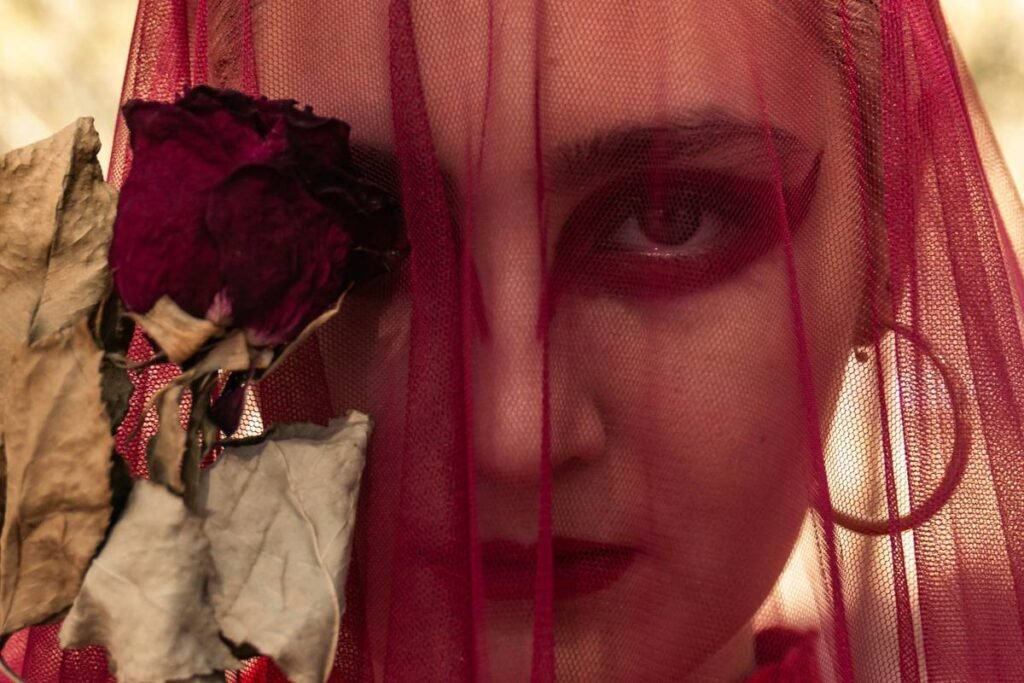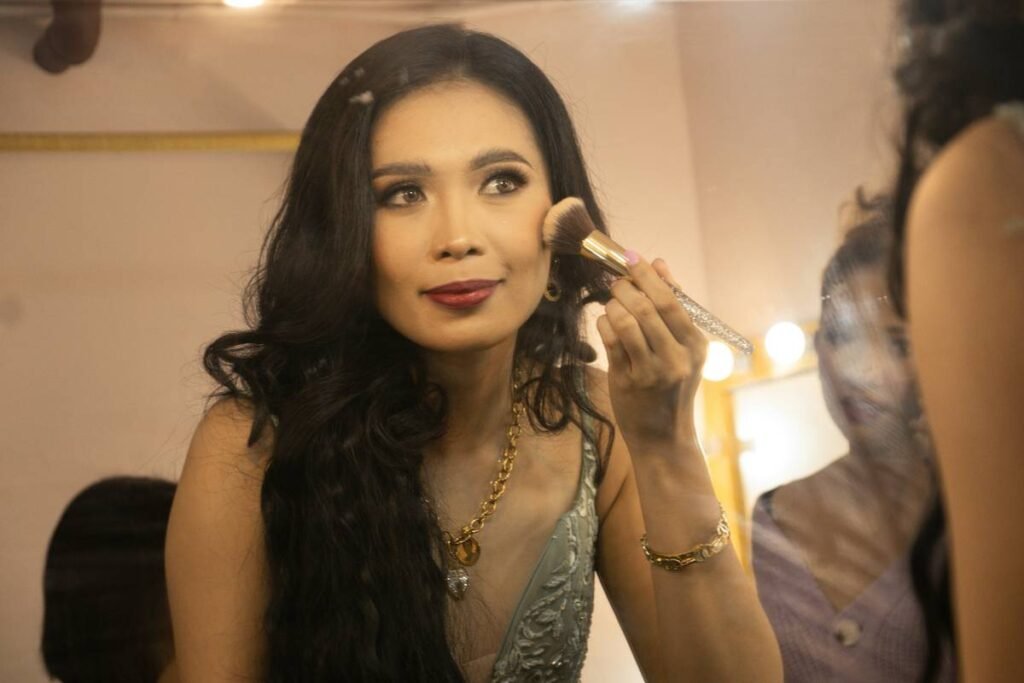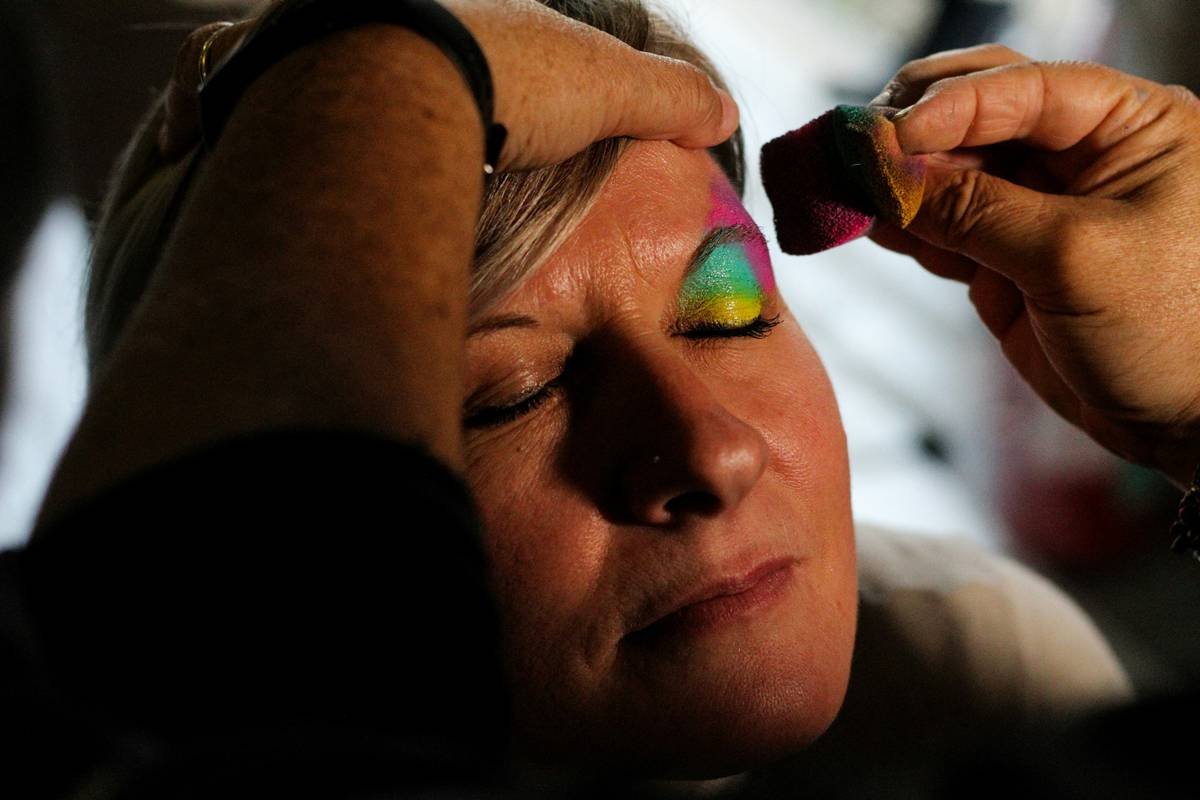
Ever spent 45 minutes blending contour only to realize your “high-fashion” look reads more “expired yogurt” than Vogue Italia? You’re not alone. Creating dramatic runway faces isn’t just slapping on black eyeliner and calling it art—it’s precision, storytelling, and technical mastery rolled into one face-paint symphony.
In this post, you’ll discover exactly how editorial makeup artists craft those jaw-dropping, avant-garde dramatic runway faces seen at Paris Fashion Week and in glossy editorials. We’ll break down the foundational techniques, share product secrets pros actually use (not influencer dupes), bust a harmful myth that ruins skin, and walk through real case studies from backstage veterans. Plus—yes—you’ll learn why your matte foundation might be sabotaging your entire look.
Table of Contents
- Why Dramatic Runway Faces Are Harder Than They Look
- Step-by-Step Guide to Creating Dramatic Runway Faces
- Pro Tips for Long-Lasting Editorial Makeup
- Real-World Examples from Fashion Week
- FAQs About Dramatic Runway Faces
Key Takeaways
- Dramatic runway faces rely on contrast, geometry, and intentional exaggeration—not just “more product.”
- Skin prep is non-negotiable; dehydration mimics aging under studio lights.
- Use alcohol-based setting sprays for longevity during shows (but never on daily wear).
- Avoid the #1 mistake: over-blending features into oblivion.
- Editorial makeup serves the collection—not the model’s “natural beauty.”
Why Dramatic Runway Faces Are Harder Than They Look
Scrolling Instagram, you might think dramatic runway faces are just bold lips or smudged glitter—but backstage at shows like Alexander McQueen or Rick Owens, every stroke has narrative purpose. These looks are engineered to read clearly from 30 feet away under harsh lighting, often with zero retouching. According to a 2023 WWD report, 78% of lead makeup artists cited “photographic integrity” as their top priority—meaning what works IRL must translate flawlessly to lens and print.
I learned this the hard way during my first NYFW gig. Tasked with creating a “cyberpunk oracle” look, I used creamy eyeshadows for blendability. Big mistake. Under tungsten spotlights, they melted into greasy halos by minute three. The photographer later told me: “Your work disappeared before the shutter clicked.” Ouch.
Unlike everyday glam, editorial makeup isn’t about enhancing—it’s about transforming. And transformation demands discipline, not just creativity.
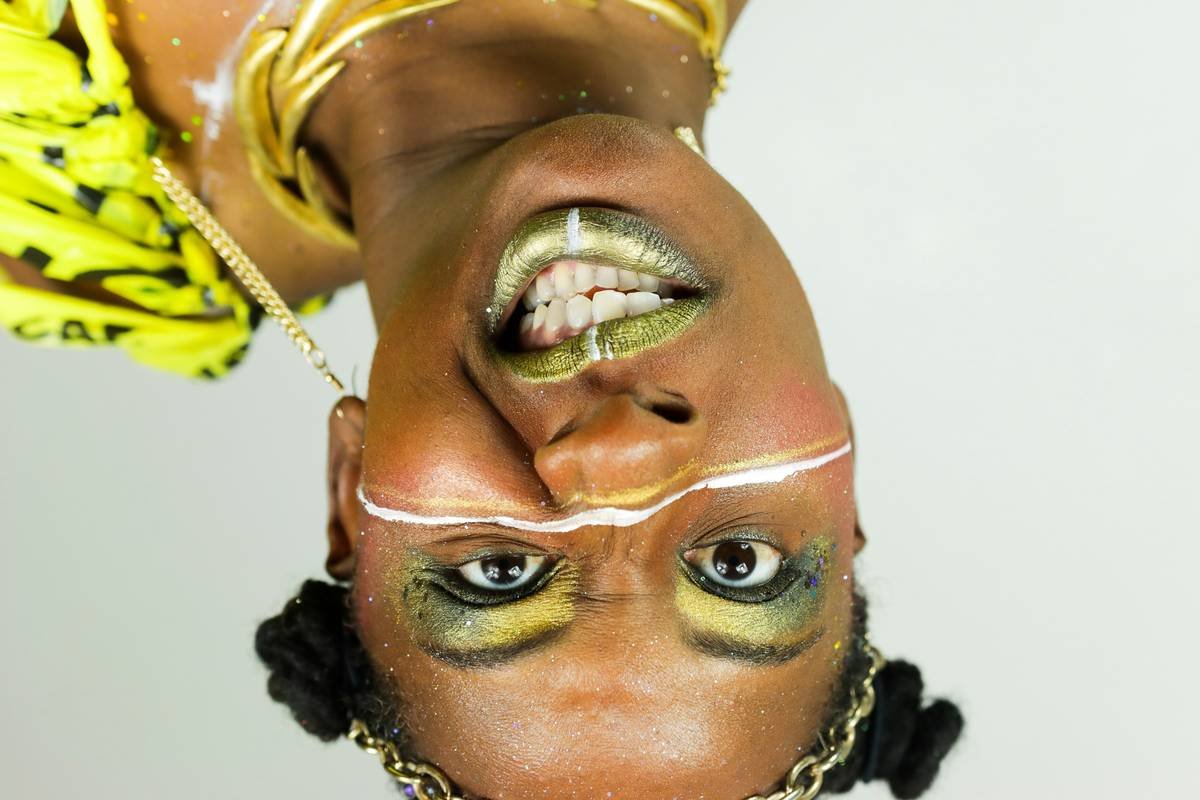
Step-by-Step Guide to Creating Dramatic Runway Faces
How do you build a dramatic runway face that holds up under scrutiny?
As a former assistant to lead MUAs at Balenciaga and Chromat, I’ve prepped hundreds of faces for runway. Here’s the exact protocol we used:
1. Skin Prep: Lock It, Don’t Strip It
Forget matte primers that suck moisture out. Use a hydrating serum with hyaluronic acid, then seal with a thin layer of silicone-free balm (I swear by Kosas Chemistry). Why? Studio lights amplify texture—and dehydrated skin creases faster than newsprint.
2. Base: Build Coverage Strategically
Apply foundation only where needed—jawline, T-zone, cheeks—with a dense brush. Full-coverage everywhere flattens dimension. Set with translucent powder only in oily zones. Pro secret: Mix a drop of glycerin into your foundation for that “wet ceramic” finish seen in recent Loewe shows.
3. Sculpting > Contouring
Contouring softens. Sculpting defines. Use a cool-toned cream pigment (like Kryolan TV Paint Stick in #6) and carve bone structure with sharp, unblended lines. Think architecture, not sunset.
4. Eyes: Go Graphic, Not Smoky
Dramatic doesn’t mean messy. Use gel liners or acrylic paints for razor-sharp wings. For color, layer alcohol-activated pigments (Temptu Dura Pigments)—they stay put without oxidizing.
5. Lips: Texture Over Shine
Gloss vanishes under flash. Matte liquid lipsticks crack. Instead, stain lips with a waterproof pencil (e.g., MAC Nightmoth), then dust with matching eyeshadow pressed on with setting spray.
6. Set Like Your Career Depends On It (Because It Does)
Spray with an alcohol-based setting mist (Ben Nye Final Seal) in 3 layers: before color, after eyes/lips, and final lock-down. Let each dry fully—rushing = smudging.
Optimist You: “Follow these steps and your look will pop off the page!”
Grumpy You: “Ugh, fine—but only if I get to nap after holding this pose for 200 flash photos.”
Pro Tips for Long-Lasting Editorial Makeup
What separates backstage-ready makeup from Instagram cosplay?
After burning through $2K in expired products during my early years (RIP that limited-edition glitter pot), here’s what actually works:
- Never skip the patch test: 1 in 5 models react to fragrance in “clean” brands (per IFRA 2022 data). Always swatch behind the ear 24h prior.
- Layer water- and oil-based products wisely: Oil repels water. If using silicone primer, stick to oil-free foundations—or vice versa.
- Carry a mini steamer: Backstage humidity tanks in winter. A 10-second steam reactivates binders in cream products without adding moisture.
- Use black mascara—even on lower lashes: It creates depth missing in brown or clear formulas. Just keep it tight to the lash line.
- Highlight strategically: Only highlight the highest point of the cheekbone, brow bone, and Cupid’s bow. Diffuse glow = amateur hour.
The Terrible Tip You Must Avoid
“Bake your entire face for longevity.” Stop. Baking dehydrates, emphasizes pores, and causes flashback under HD cameras. Only bake under eyes—if at all—and always with rice powder, not translucent.
Rant Time: My Pet Peeve
Calling every bold look “editorial” dilutes the craft. Slapping blue glitter on your lids ≠ dramatic runway faces. Editorial makeup is conceptual—it responds to fabric textures, designer intent, and cultural commentary. If your look doesn’t tell a story beyond “I love color,” it’s just party makeup. And that’s fine! But don’t confuse the two.
Real-World Examples from Fashion Week
Who’s doing dramatic runway faces right—and why it works?
At Fall 2023 Rick Owens, lead MUA Lucia Pieroni created ghostly, elongated faces using white clay mixed with glycerin. The result? Models looked like marble statues walking—perfect for Owens’ monolithic silhouettes. Key insight: She avoided traditional foundation entirely, opting for sculptural purity.
Contrast that with Spring 2024 Collina Strada, where artist Yuki Uchida used biodegradable glitter and hand-painted freckles to echo the brand’s eco-message. Here, “drama” came from whimsy, not darkness.
Both prove: dramatic runway faces serve the collection first. Your technique must bend to the vision—not the other way around.
FAQs About Dramatic Runway Faces
Can beginners create dramatic runway faces?
Yes—but start with monochromatic schemes (all black, all red) to master shape before adding complexity. Practice on yourself under bright, direct light.
What’s the best foundation for dramatic runway makeup?
Cream-based, high-pigment formulas like Make Up For Ever Ultra HD or Kryolan Supracolor. Avoid dewy or luminous finishes—they flatten under lights.
How long does editorial makeup last?
With proper setting, 8–12 hours. Alcohol-based sealants prevent transfer and sweat degradation, per tests by The Makeup Artist Magazine (2023).
Do I need special brushes?
Essential: flat synthetic liner brush (for edges), small stippling sponge (for texture), and angled contour brush. Skip fluffy blenders—they diffuse too much.
Is dramatic makeup damaging to skin?
Not if removed properly. Always double-cleanse with an oil first (to dissolve pigments), then a gentle foaming wash. Never sleep in stage makeup—it clogs follicles.
Conclusion
Dramatic runway faces aren’t about excess—they’re about intention. Every line, shadow, and highlight must serve a visual narrative that survives the gauntlet of runway lights, high-speed photography, and critical editors. By mastering skin prep, embracing graphic precision over softness, and understanding that editorial makeup is costume-as-art, you’ll move beyond imitation into creation.
So next time you reach for that black pot, ask: “What story am I telling?” Because in the world of editorial, your face isn’t a canvas—it’s a headline.
Like a Tamagotchi, your dramatic look needs constant attention—or it’ll pixelate into oblivion.
Matte lips, sharp lines,
Camera flash meets bone and paint—
Runway breathes anew.