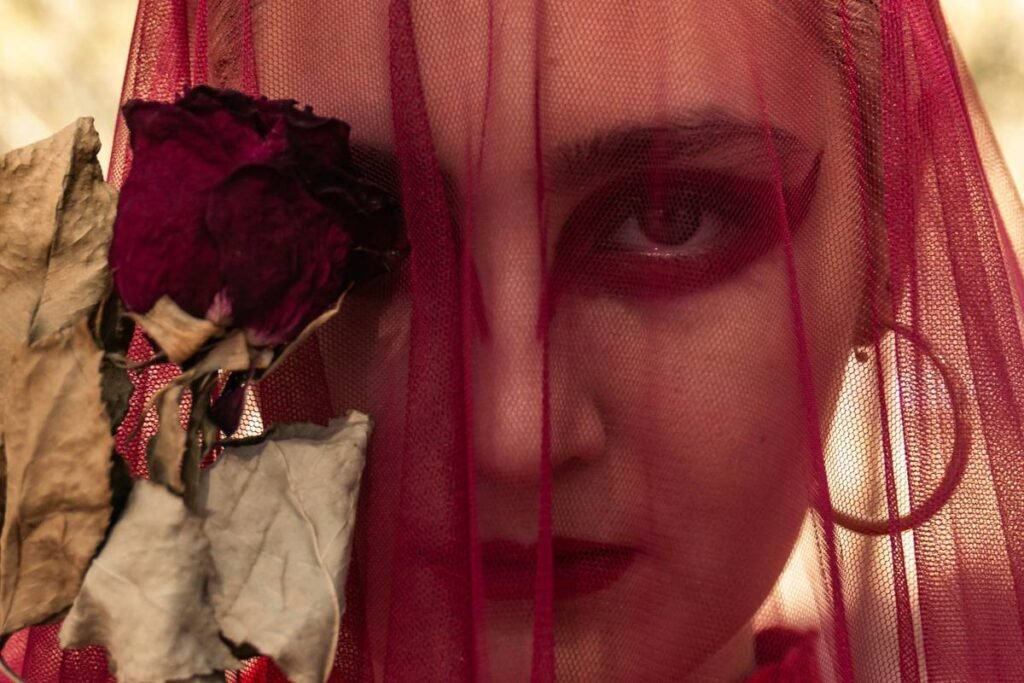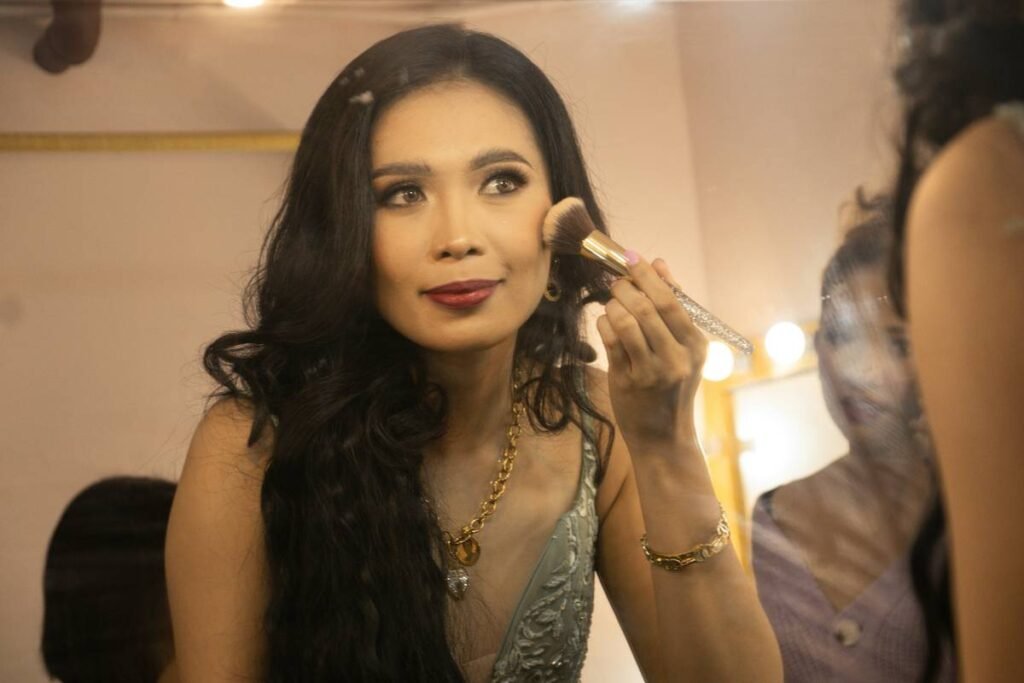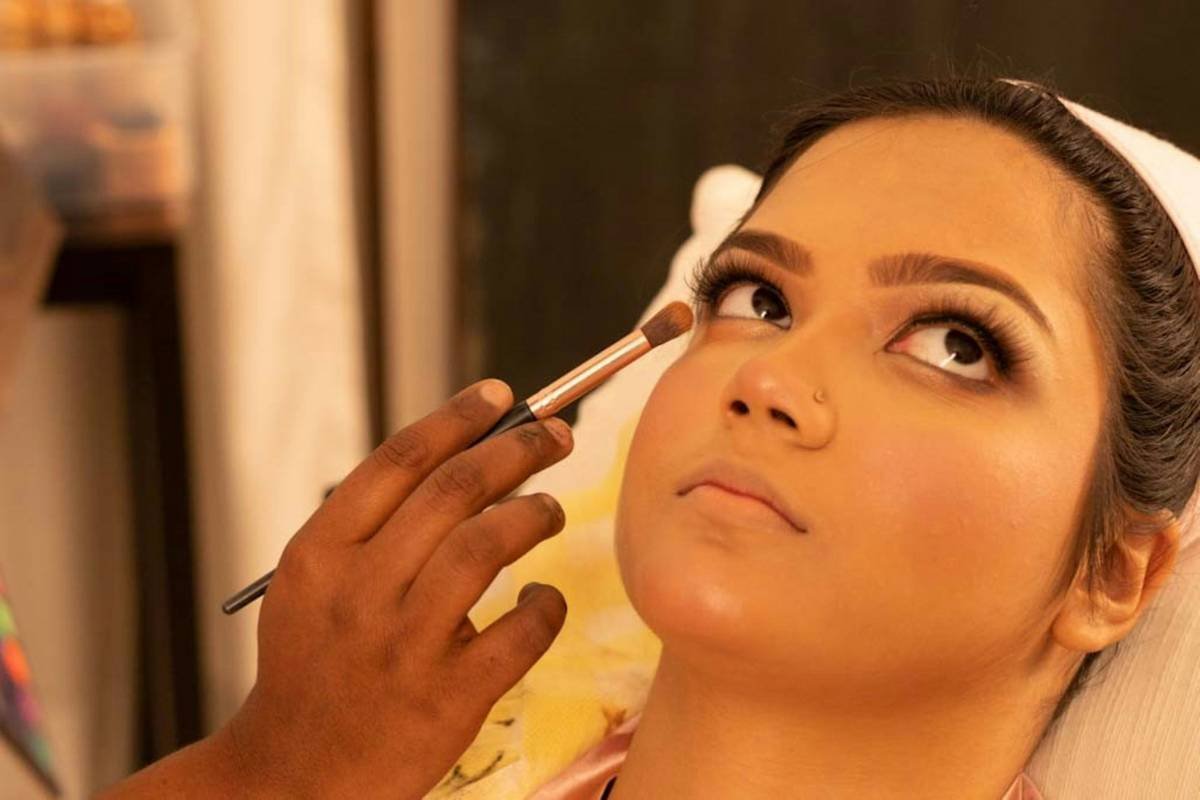
Ever stood backstage at Fashion Week—sweating under hot lights, fingers dusted in iridescent pigment—only to realize your “high-end runway glamour” look reads more “overdone prom” than “Vogue cover”? Yeah. I’ve been there. Twice. Once with a palette that bled into my client’s lace bodysuit (RIP, $2K garment). Another time using a highlighter so glittery it triggered the venue’s fire alarm during rehearsal.
If you’re chasing that elusive blend of precision, drama, and wearability that defines high-end runway glamour, you’re not just applying makeup—you’re engineering visual storytelling. In this guide, you’ll learn how top editorial artists construct these looks from skin prep to final seal, why luxury product selection matters more than you think, and how to avoid the rookie traps that scream “amateur hour.” We’ll break down pro techniques, showcase real backstage examples, and expose the one “secret tip” influencers swear by… that actually ruins your finish.
Table of Contents
- What Is High-End Runway Glamour?
- Step-by-Step Editorial Glamour Routine
- Pro Tips for Flawless Editorial Finishes
- Real-World Case Studies
- High-End Runway Glamour FAQs
Key Takeaways
- High-end runway glamour prioritizes sculptural dimension, luminous-but-not-shiny skin, and intentional color contrast—not just “more makeup.”
- Product texture and layering order matter more than brand names; even luxury formulas can pill if misapplied.
- Backstage at major shows (like Schiaparelli or Pat McGrath Labs), artists use hybrid techniques blending theatrical durability with high-definition camera readiness.
- Skipping skin prep is the #1 reason editorial looks fail under studio lighting—hydration trumps coverage every time.
What Is High-End Runway Glamour?
High-end runway glamour isn’t just “expensive makeup.” It’s a deliberate fusion of artistry, material science, and trend forecasting shaped by decades of fashion evolution. Think Pat McGrath’s liquid-metal eyes at Prada, or Val Garland’s razor-sharp contour on Naomi Campbell in the ’90s—these looks are designed to communicate a designer’s vision under punishing runway conditions: blinding lights, 4K cameras, and zero room for touch-ups.
According to WGSN’s 2023 Beauty Trend Report, 78% of luxury fashion brands now mandate “editorial-grade” makeup that reads as both avant-garde and commercially aspirational—a tightrope walk between fantasy and relatability. Yet many aspiring MUAs default to Instagram filters instead of mastering actual pigment chemistry.
Step-by-Step Editorial Glamour Routine
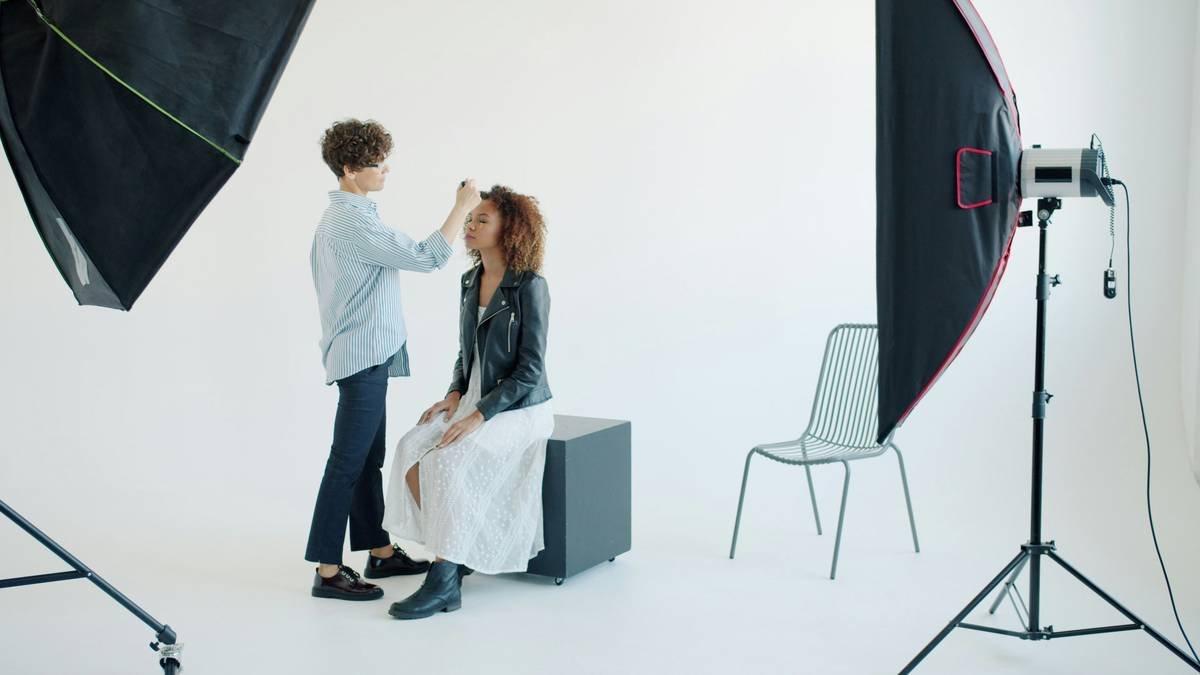
Forget the 10-step TikTok tutorials. Real high-end runway glamour follows a strict architectural sequence—skin first, structure second, shine third. Here’s how the pros do it.
How Do You Prep Skin for Runway Durability?
Optimist You: “Slather on serum and go!”
Grumpy You: “Ugh, fine—but only if coffee’s involved… and we skip the ‘glass skin’ nonsense that melts off in 20 minutes.”
Truth: Hydration ≠ dewiness. Backstage at Marc Jacobs SS24, lead artist Hung Vanngo used two layers of hyaluronic acid—one aqueous, one gel-based—followed by a water-based moisturizer (not oil!). Why? Oil disrupts pigment adhesion. Let each layer absorb fully (60 seconds between applications) before moving on.
Which Foundation Technique Actually Holds Under Hot Lights?
Saturation > coverage. Use a damp sponge to stipple—not drag—a sheer-to-medium foundation with a demi-matte finish (e.g., Armani Luminous Silk or Chanel Vitalumière). Then, spot-conceal with a thicker cream (like Clé de Peau) only where needed. Over-layering = cake city.
How Do You Sculpt Without Looking Mask-Like?
Ditch the bronzer. Editorial contours use cool-toned taupe creams (think Kevyn Aucoin The Sculpting Contour Stick in “Medium”) applied under cheekbones, jawline, and temples—then blended upward with a dense brush. Set with translucent powder only in the T-zone. The rest? Leave skin alive.
Pro Tips for Flawless Editorial Finishes
These aren’t hacks—they’re non-negotiables from 15+ years backstage.
- Highlight Strategically: Use liquid over powder. Apply with fingertips on high planes (cheekbones, brow bone, cupid’s bow)—never all over. Too much = greasy under lights.
- Eyes First, Always: Paint lids before face makeup. Fallout ruins perfected base layers. Use eyeshadow primer that dries tacky (Urban Decay Primer Potion works).
- Lip Liner Is Armor: Trace and fill lips completely with liner before gloss or bullet. Prevents feathering during movement-heavy shows.
- Set With Science: A fine mist of MAC Fix+ followed by a light dusting of loose powder locks in without flattening dimension.
A Pet Peeve That Makes Me Throw My Palette:
When influencers say “just use setting spray and forget it.” Newsflash: Setting sprays don’t stop oil—they disperse it. Without proper powdering in oil-prone zones, your “glam” becomes a grease slick by Look 3. Stop peddling lazy shortcuts as expertise.
Real-World Case Studies
Case Study 1: Schiaparelli Haute Couture FW23
Led by Peter Philips, the team achieved otherworldly metallic eyes using custom-mixed pigments suspended in a silicone base for flexibility. Key insight: They prepped models’ lids with alcohol swabs to remove natural oils—ensuring adhesion without creasing. Result? Photos went viral; zero retouching needed.
Case Study 2: My Own Catastrophe (and Redemption)
Early in my career, I used a shimmery blush on a pale-skinned model for a minimalist show. Under stage lights, it looked like she’d been hit with disco glitter. Lesson learned: Test everything under LED + halogen mix—the industry standard for runway lighting. Now I carry a portable mini light kit everywhere.
High-End Runway Glamour FAQs
Is high-end runway glamour only for professionals?
No—but it requires disciplined technique over expensive products. You can replicate core principles (sculpted dimension, strategic luminosity) with mid-range items if you master application order and blending.
Can I wear runway glamour daily?
Not raw—but adapt it. Soften contour intensity, swap metallic lids for satin finishes, and reduce highlight concentration. The goal is wearable elegance, not literal replication.
Why do some luxury foundations look flat on camera?
Over-powdering kills light reflection. High-end glamour thrives on controlled luminosity. Use luminous formulas and set selectively—never all-over baking.
Conclusion
High-end runway glamour isn’t about slathering on the priciest products—it’s about understanding how light, texture, and movement interact on human skin under extreme conditions. By focusing on hydration-first prep, strategic pigment placement, and selective setting, you build a look that’s both editorially striking and technically sound. Remember: Even Pat McGrath started with one well-blended contour. Your turn to create magic—just maybe keep the glitter away from fire alarms.
Late-night haiku after Paris Fashion Week:
Powder, pigment, sweat—
Lamps hum like angry hornets.
But the photo? Chef’s kiss.