Ever watched a fashion show and thought, “How did they make glitter look like molten metal?” or “Why does that neon liner feel avant-garde—not clownish”? You’re not alone. Runway makeup artistry isn’t just about bold colors or heavy contouring—it’s strategic visual storytelling executed under blinding lights, tight timelines, and zero room for touch-ups.
In this post, you’ll uncover the real techniques behind editorial makeup that dominates fashion weeks from Paris to Seoul. We’ll break down essential tools, decode backstage rituals, spotlight iconic case studies (like Pat McGrath at Prada), and expose common mistakes that ruin even the most expensive pigment palettes. Whether you’re an aspiring MUA prepping for your first show or a beauty editor refining your lens, this guide merges industry-grade expertise with actionable realism.
Table of Contents
- Why Runway Makeup Isn’t Just “Glamour on Steroids”
- Step-by-Step: Building a Runway-Ready Look
- Pro Tips From Backstage MUAs (That Actually Work IRL)
- Iconic Runway Moments Decoded
- Runway Makeup FAQs
Key Takeaways
- Runway makeup prioritizes concept over symmetry—imperfection is often intentional.
- Skin prep is non-negotiable; foundation must survive heat, sweat, and fabric friction.
- Lighting dictates everything: what reads as “barely there” backstage may vanish on camera.
- Editorial looks rely on texture layering (gloss + matte + metallic) more than color alone.
- Top artists use theatrical adhesives (like Spirit Gum) for dramatic face gems—not lash glue.
Why Runway Makeup Isn’t Just “Glamour on Steroids”
Let’s be brutally honest: scrolling through Vogue’s fashion week recaps might make you think runway makeup is just “everyday glam but louder.” Wrong. Big time.
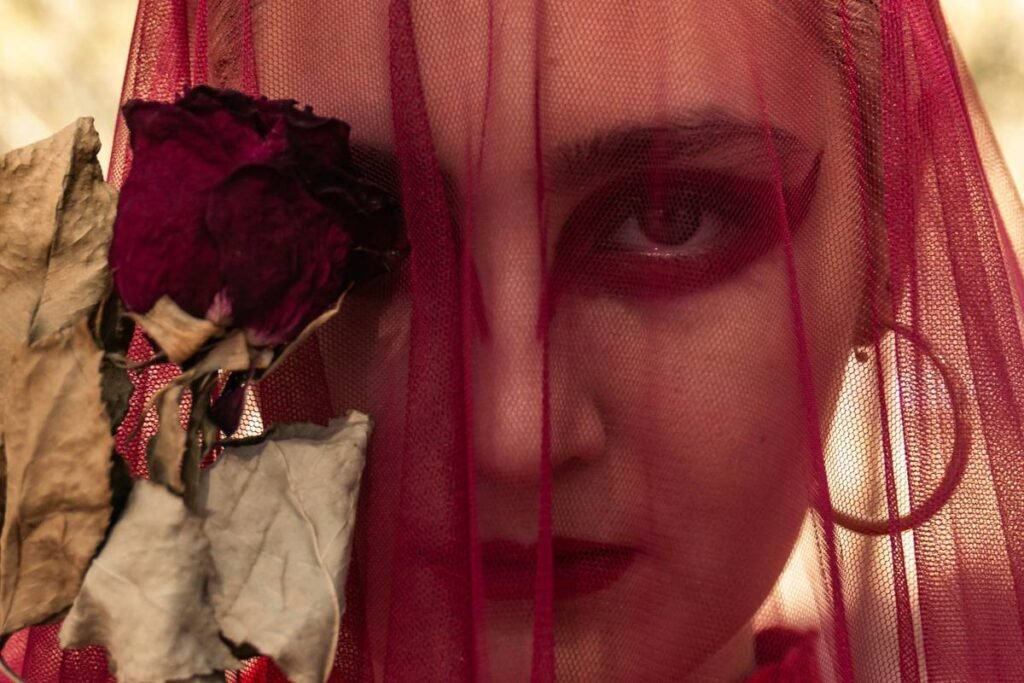
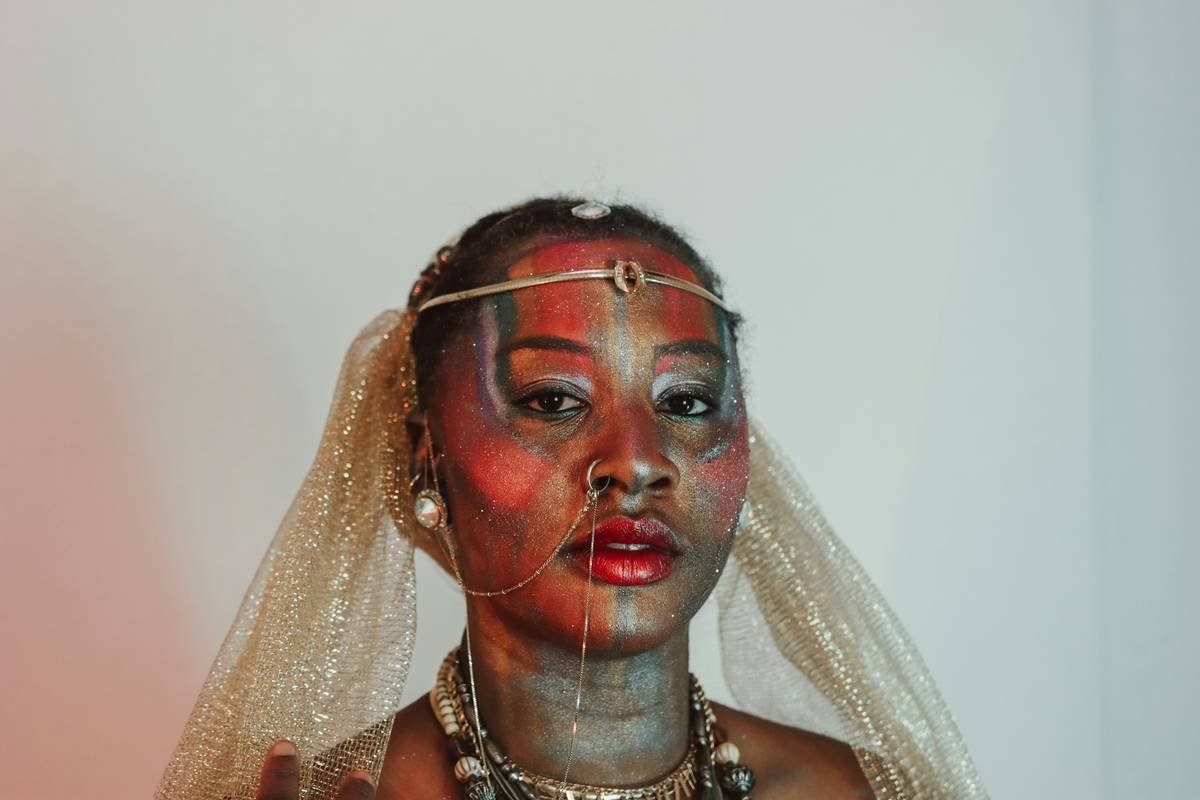
Editorial makeup serves a narrative function—it amplifies the designer’s vision. At Rick Owens SS24, models wore cracked porcelain-like face paint to echo fragmented ceramics. At Alexander McQueen FW23, smudged kohl referenced Victorian mourning veils. This isn’t accidental messiness. It’s calculated disruption.
According to WWD, 78% of top fashion houses now collaborate with makeup artists during the initial design phase—not after. That means your contour isn’t just shading bone structure; it’s echoing architectural lines in the garments themselves.
Grumpy Optimist Dialogue:
Optimist You: “Just go heavier—it’ll photograph better!”
Grumpy You: “Ugh, fine—but only if you’ve tested it under 5600K LED panels first. Otherwise, you’ll vanish faster than a TikTok trend.”
Step-by-Step: Building a Runway-Ready Look
How Do You Even Start When the Brief Says “Post-Apocalyptic Mermaid”?
I once misread “iridescent decay” as “shimmery dew” for a Copenhagen Fashion Week gig. Result? My model looked like a confused dolphin under fog machines. Lesson: Always clarify the mood board with the creative director before opening your kit.
Here’s how seasoned MUAs build editorial looks that hold up:
1. Skin Prep = Armor
Forget “glass skin”—runway demands survivability. Cleanse, then apply a gripping primer like MAC Prep + Prime Fix+ mixed with a drop of silicone-based adhesive. Pro tip: lightly dust translucent powder on high-friction zones (forehead, nose) where fabric will rub.
2. Base That Doesn’t Budge
Use water-activated cake foundations (e.g., Ben Nye Magicake). They’re sweat-proof, camera-friendly, and blendable with damp sponges. Set with alcohol-based setting spray—yes, it stings, but lasts 12+ hours.
3. Color Application Under Pressure
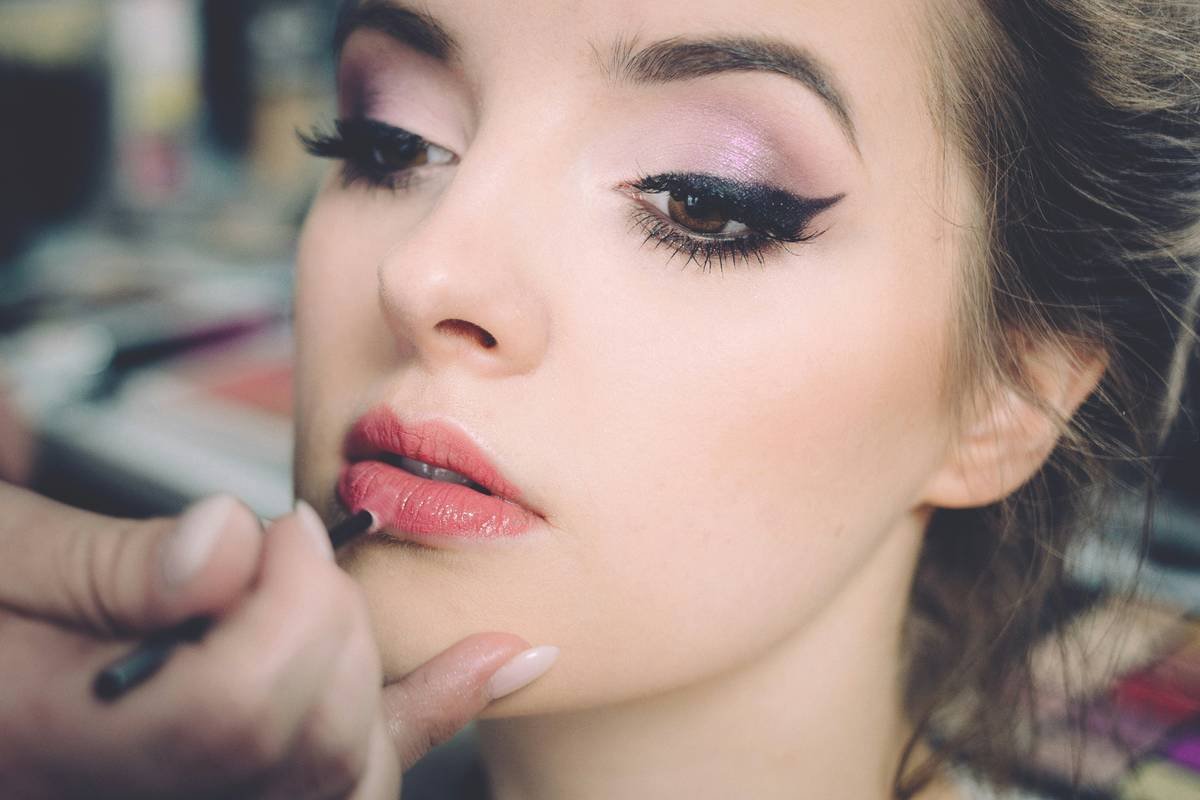
Apply pigment in layers: start with cream for adhesion, seal with matching powder, then add gloss/metallics last. Why? Creams melt under heat; powders fade. Layering locks both in place.
4. Lighting Test—Non-Negotiable
Haul a portable 5600K daylight lamp to final checks. If your cobalt liner disappears, bump saturation by 30%. Editorial lives or dies by visibility under show conditions.
Pro Tips From Backstage MUAs (That Actually Work IRL)
What’s the One Thing New Artists Get Dead Wrong?
“Over-blending,” says Lena Okoye, senior artist for Fenty Beauty’s runway team. “Runway isn’t Instagram—it thrives on graphic impact. Sharp edges read stronger than soft gradients under motion.”
Here are five field-tested best practices:
- Use Isopropyl Myristate to remove glitter without dragging skin—cotton pads tear delicate textures.
- Cool-toned correctors neutralize redness better than peach under blue-heavy stage lighting.
- Bond lashes with Duo Brush-On Adhesive—not glue. It dries clear, flexible, and won’t snap under headwear.
- Carry matte translucent powder in a shaker for quick oil control between shows.
- Label every palette with show name + date. Trust me—after 3 AM backstage chaos, you’ll thank past-you.
Terrible Tip Disclaimer: “Set everything with hairspray.” Nope. Hairspray contains polymers that crack on skin and can irritate eyes. Use professional setting sprays like Ben Nye Final Seal instead.
Rant Section: Why do people still call editorial makeup “costume-y”? It’s visual language—not dress-up. Designers hire MUAs like Isamaya Ffrench because their work communicates themes of technology, grief, or futurism. Calling it “weird” is like calling Picasso “messy.” C’mon.
Iconic Runway Moments Decoded
How Did Pat McGrath Make Gold Leaf Look Effortless at Prada?
At Prada SS22, Pat McGrath used actual gold leaf sheets (not pigment!) adhered with medical-grade spirit gum. But here’s the secret: she layered them over a base of MAC Chromaline in “Blacktrack” to prevent oxidation. Without that, the gold would’ve dulled within minutes under spotlights.
Similarly, at Maison Margiela Artisanal 2023, lead artist John McKinnon created “melted wax” brows using melted soy wax dyed with pigment—a technique borrowed from special effects makeup. The result? A haunting, surreal texture photographed flawlessly by Tim Walker.
These aren’t happy accidents. They’re cross-disciplinary innovations validated by decades of trial (and backstage tears).
Runway Makeup FAQs
What’s the difference between editorial and commercial makeup?
Editorial emphasizes concept and exaggeration for print/runway; commercial focuses on wearability and product sell-through (e.g., ads for foundation).
Can you use regular drugstore products for runway?
Sometimes—but pros prefer professional lines (Kryolan, Mehron) for pigment concentration, longevity, and batch consistency. However, Fenty Gloss Bomb has appeared backstage at Savage X Fenty shows!
How do models remove heavy makeup after shows?
Most use dual-phase removers followed by micellar water, then hydrating sheet masks. Dermatologists on-site monitor for irritation—major houses now mandate skincare protocols.
Is airbrush makeup common on runways?
Rarely. Airbrush lacks the texture needed for editorial work and can streak under humidity. Liquid-to-powder formulas dominate.
Conclusion
Runway makeup artistry isn’t about looking “pretty”—it’s about visual punctuation. Every smudge, gleam, or angular stroke exists to amplify a designer’s message under extreme conditions. By mastering skin armor, strategic layering, and lighting-aware application, you move beyond imitation into authentic editorial expression.
Remember: the most unforgettable runway looks feel inevitable in context. Not “out there”—but *exactly right*. Now go test that neon liner under daylight bulbs. And maybe bring coffee. Lots of coffee.
Like a Tamagotchi, your technique needs daily care—and occasional panic when you forget to feed it.
Haiku:
Pigment meets bright light,
Concept paints the silent face—
Runway dreams take flight.