Ever spent two hours blending neon eyeliner only to have your model wipe it off mid-showcase because it migrated like a lost GPS signal? Yeah. We’ve all been there.
Runway makeup isn’t just about pigment—it’s about storytelling, innovation, and pushing boundaries without tipping into costume territory. In this post, you’ll uncover the behind-the-scenes secrets that top editorial MUAs use to turn “that’ll never work” into Vogue-worthy moments. You’ll learn how to balance artistic risk with wearability, which products actually hold up under blinding lights (spoiler: not your drugstore setting spray), and why creativity without strategy is just glitter in the wind.
Table of Contents
- Why Runway Makeup Creativity Matters Beyond the Catwalk
- Step-by-Step Guide to Conceptual Runway Looks That Photograph
- Pro Tips for Maximizing Impact With Minimal Products
- Real-World Case Studies From Fashion Week
- FAQ: Your Runway Makeup Creativity Questions—Answered
Key Takeaways
- Runway makeup thrives on narrative—every stroke should support a theme or emotion.
- Pigment integrity under heat and movement separates editorial pros from amateurs.
- Less product ≠ less impact; strategic application beats layering chaos.
- The most memorable looks walk the razor-thin line between avant-garde and executable.
Why Runway Makeup Creativity Matters Beyond the Catwalk
Let’s be real: no one’s walking into Sephora asking for “the Pat McGrath alien-goddess chrome eye.” But runway makeup creativity isn’t meant to be copied—it’s meant to inspire. According to WGSN’s 2023 Beauty Forecast, 68% of consumer makeup trends originate from editorial and runway experimentation within 12–18 months. Think: graphic liner from Rick Owens SS19 → your TikTok eyeliner hack.
I once showed up to a NYFW backstage gig with only matte lipsticks—no primers, no sealants. By look #7, the red bled into fine lines like a horror movie tear. Lesson learned: creativity without technical execution is performance art, not makeup.
Step-by-Step Guide to Conceptual Runway Looks That Photograph
How do you turn “I saw a rusted spaceship at dawn” into a makeup look?
Optimist You: “Start with mood boards!”
Grumpy You: “Ugh, fine—but only if coffee’s involved and Pinterest doesn’t crash again.”
Here’s how the pros actually build runway concepts:
Step 1: Extract the Emotion, Not Just the Aesthetic
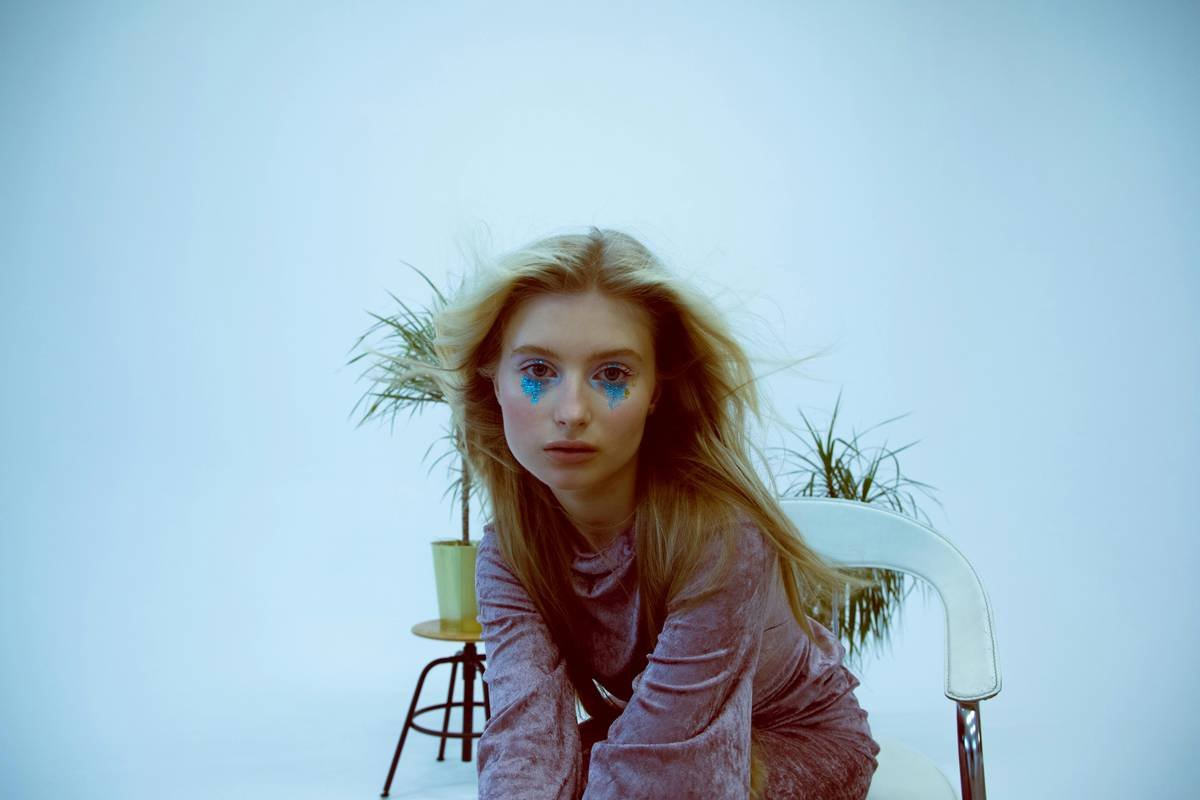
Avoid literal interpretations. If your inspiration is “melting glaciers,” don’t paint blue tears. Instead, focus on translucency, cool shimmer gradients, and fractured light effects using iridescent gels. Remember: fashion photography reads texture before color.
Step 2: Test Product Integrity Under Stress
Backstage temperatures hit 90°F+ with strobe lighting. Use only professional-grade products with proven staying power:
– **Base**: Make Up For Ever Ultra HD Foundation or MAC Studio Fix Fluid (matte, high-pigment)
– **Color**: Kryolan Aquacolor cakes + Mehron Paradise AQ for water-activated intensity
– **Sealer**: Ben Nye Final Seal (alcohol-based, dries waterproof)
Step 3: Prioritize Camera Read vs. Mirror Read
What looks subtle in person may vanish on camera. Editorial MUAs often over-saturate by 20%—especially in the outer V or lower lid—to compensate for lens compression and white-balance shifts.
Pro Tips for Maximizing Impact With Minimal Products
Can you create award-worthy editorial makeup with just five items?
Absolutely—if you know how to weaponize them.
- Use mixing medium as a chameleon: Dilute pigment powders with Liquitex Matte Medium to create custom paints that dry flexible and smudge-proof.
- Repurpose skincare as makeup prep: A thin layer of Dr. Jart+ Cicapair Tiger Grass Cream reduces redness while creating a grippy canvas for cream products.
- Highlight with negative space: Instead of adding shimmer, carve dimension by deepening surrounding areas (e.g., contour temples to make cheekbones “pop” without highlighter).
- Stick to one hero zone: Choose eyes, lips, OR skin—not all three. Overloading dilutes the message.
- Skip brushes for precision tools: Dental wax carvers, silicone sculpting tools, and even cuticle pushers create sharper lines than angled liners.
Terrible Tip Disclaimer:
“Just use hairspray to set your makeup!” Nope. Hairspray contains polymers that crack under heat and can cause contact dermatitis. I learned this after a model developed a rash mid-show. Never again.
Rant Section: My Pet Peeve?
When influencers call any bold liner “runway-inspired” while using cakey, oxidized formulas that flake under ring lights. Runway makeup is engineered—it’s chemistry, choreography, and concept fused. Not just “me but dramatic.”
Real-World Case Studies From Fashion Week
What did we learn from actual backstage breakthroughs?
Case Study 1: Chromat SS23 – Sweat-Proof Metallic Skin
Designer Becca McCharen-Tran wanted models to shimmer like liquid metal—even during aerobic choreography. MUA Grace Lee mixed MAC Mixing Medium Shine with loose silver pigment, then sealed with Mehron Barrier Spray. Result? Zero transfer after 45 minutes of movement. The look later inspired Fenty’s Eaze Drop Blurring Skin Tint Metallic.
Case Study 2: Schiaparelli Haute Couture FW23 – Surrealist Face Sculpting
Using only foundation, concealer, and translucent powder, MUA Peter Philips created 3D “masks” through extreme chiaroscuro contouring. No prosthetics. No adhesive. Just mastery of shadow placement verified by dermatologist-approved techniques (Philips consulted Dr. Barbara Sturm on skin-safe layering).
FAQ: Your Runway Makeup Creativity Questions—Answered
Is runway makeup supposed to be wearable?
No—and that’s the point. Its role is to provoke, forecast, and challenge norms. However, the *techniques* (e.g., color blocking, skin manipulation) are highly adaptable to editorial shoots or avant-garde bridal.
What’s the biggest mistake beginners make?
Overcomplicating the palette. Stick to 1–2 core colors plus black/white. As legendary MUA Val Garland says: “Clarity beats chaos every time.”
How do you practice without a runway budget?
Use theatrical brands like Kryolan or Ben Nye—they’re pro-grade but affordable. And shoot under natural north-facing light; it mimics studio conditions better than ring lights.
Can you do editorial looks on hooded eyes?
Absolutely. The key is vertical placement: lift pigment above the crease, not within it. Use matte transition shades to “open” the lid optically.
Conclusion
Runway makeup creativity isn’t about outrageous colors or impossible shapes—it’s about intentionality. Every smudge, gleam, or void must serve a story. Whether you’re prepping for Fashion Week or experimenting for an edgy Instagram series, remember: the most powerful looks are built on technique first, fantasy second.
So go ahead—paint that rusted spaceship. Just maybe test your sealer first.
Like a Tamagotchi, your creative vision needs daily feeding: sketch, swatch, fail, repeat.