Most makeup artists chase viral filters and fleeting TikTok trends—only to produce forgettable, flat visuals that vanish after one scroll. The real problem? Confusing “trendy” with “timeless.” But in editorial makeup, the stakes are higher: you’re not just accentuating features—you’re constructing visual narratives for luxury brands, runway spreads, and avant-garde editorials. The solution isn’t more pigment or bolder lashes. It’s mastering trendy makeup concepts that merge innovation with intention.
Why Standard Techniques Fail in Editorial Work
Applying everyday makeup rules to high-fashion editorials is like using sidewalk chalk to paint a cathedral. Editorial work demands distortion, exaggeration, and controlled chaos—not symmetry or soft blending. Most artists default to contour-and-highlight formulas that flatten dimension under studio lights. Worse, they follow influencer-driven color palettes that scream 2023 by 2024. And texture? Often ignored entirely. Matte-on-matte looks collapse on camera. Gloss without structure reads as greasy, not glossy. Here’s the reality: editorial makeup lives in the realm of concept first, cosmetics second.
Building Your Own Trendy Makeup Concepts: A Step-by-Step Framework
Forget copying Vogue covers. Build originals. Start with a mood—not a product list.
Step 1: Define Your Visual Thesis
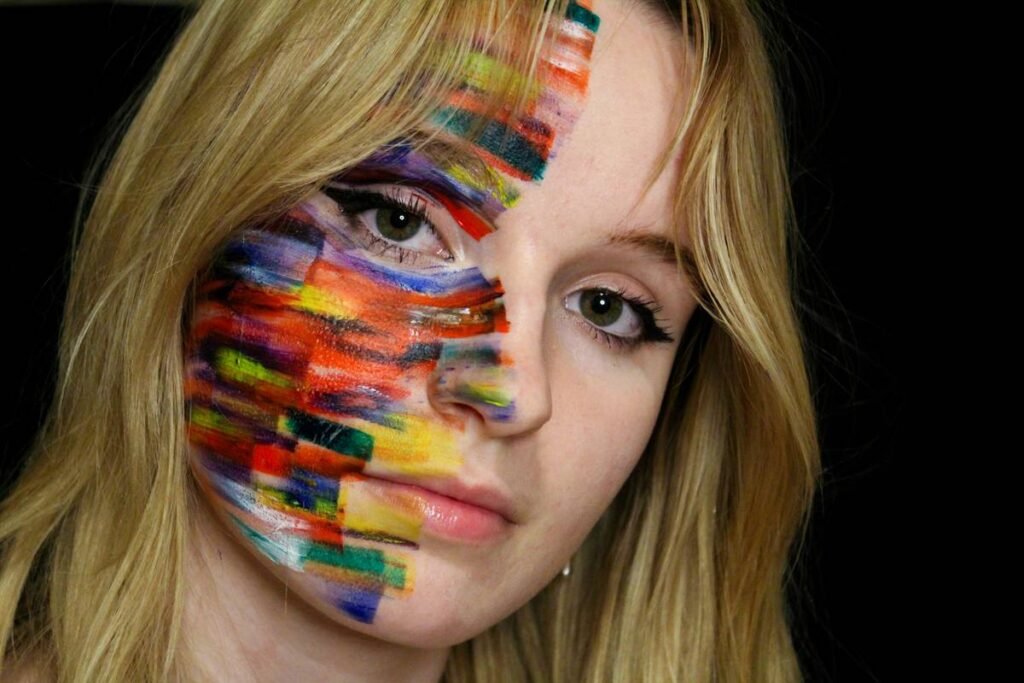
Is your look about digital decay? Fluid identity? Neo-romantic rebellion? Pinpoint one core idea. Then reverse-engineer it into makeup language. For “digital decay,” think pixelated blush placement or chrome cracks over skin. Not just glitter.
Step 2: Map Texture Before Color
Color follows texture—not the other way around. Decide if your look needs wetness (silicone gels), dryness (powdered mica), or tactility (raised stencils). A matte crimson lip loses all power next to a dewy cheek—if both are flat. Contrast creates tension.
Step 3: Break One Rule Deliberately
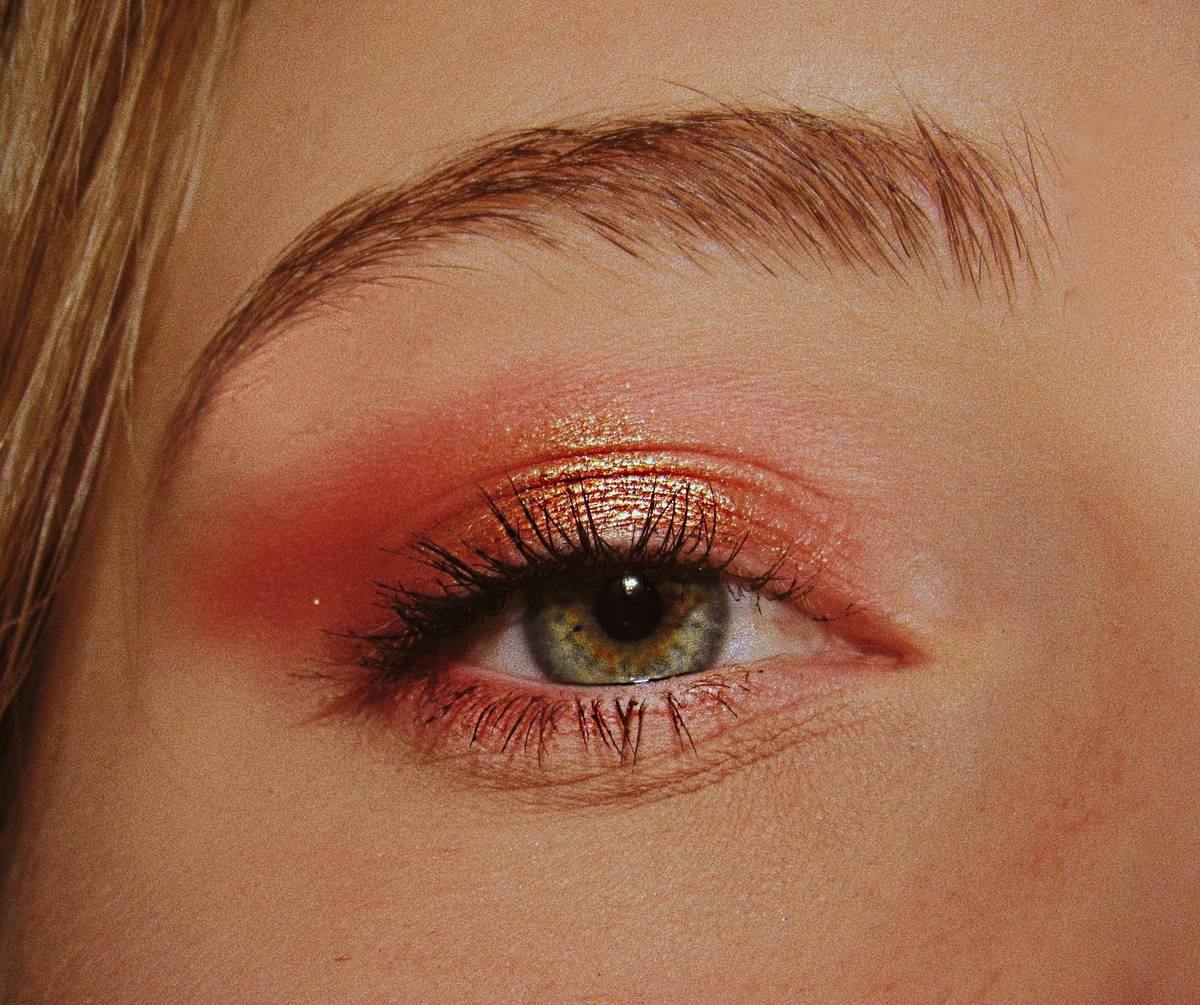
Perfect brows? Smudge them asymmetrically. Flawless base? Press translucent shards into foundation. The single intentional flaw signals artistry, not error.
| Concept Type | Key Technique | Product Examples | Best For |
|---|---|---|---|
| Digital Glitch | Disrupted symmetry + metallic layering | Freckle tattoos, liquid foil pigments | Avant-garde print editorials |
| Bio-Luminescence | Inner glow via under-paint, not highlighter | Fluorescent cream bases, UV-reactive powders | Night shoots, sci-fi fashion stories |
| Deconstructed Glamour | Classic elements placed off-axis | Smudged kohl, misplaced blush clouds | Modern reinterpretations of old Hollywood |
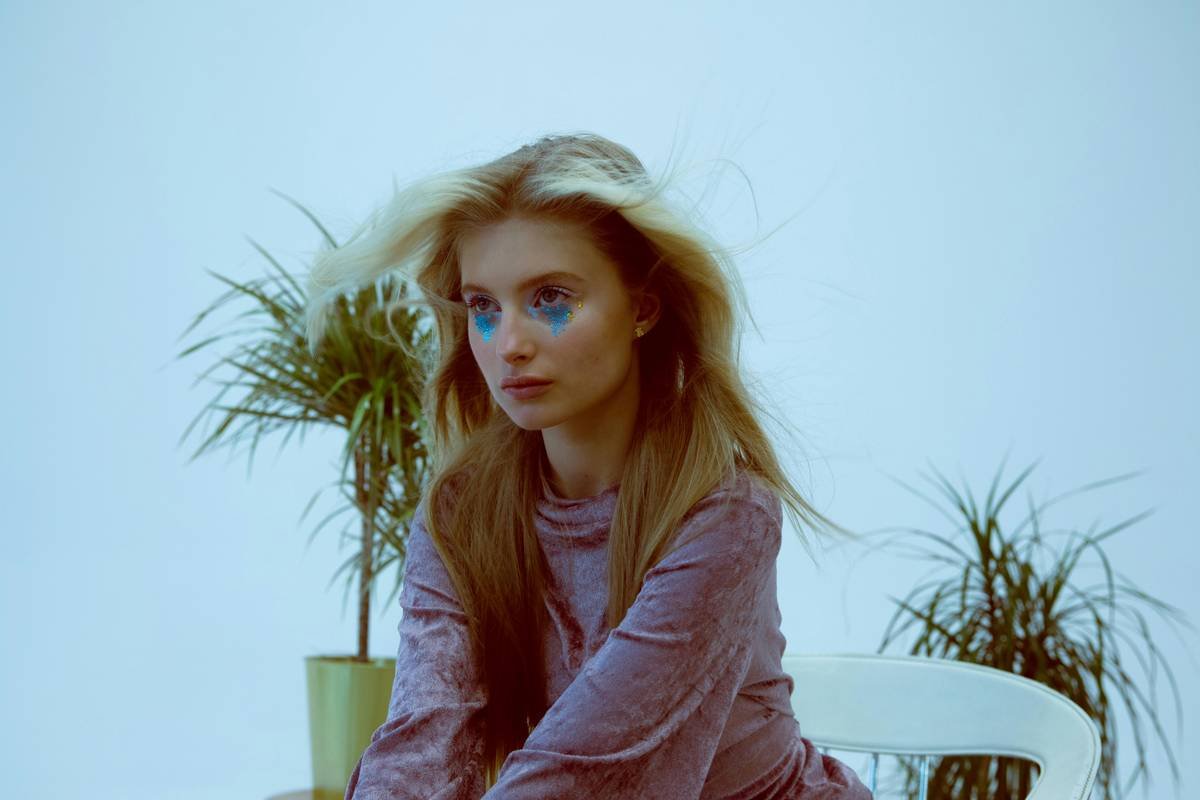
The Industry Secret: Editors Don’t Want Beauty—They Want Disruption
Here’s what top creative directors won’t admit publicly: they reject technically perfect makeup every day. Why? Because perfection lacks narrative friction. I once pitched a cover look using zero foundation—just layered translucent silicone sheets tinted with pigment to mimic “skin as stained glass.” Rejected twice… until the third try when I added a deliberate tear running through one sheet. That “flaw” sold the story of fragility. The math is simple: conceptual imperfection > technical perfection. Your job isn’t to make someone “pretty.” It’s to make them unforgettable—even unsettling.
Frequently Asked Questions
What makes a makeup trend editorial-worthy?
It must challenge perception—not just aesthetics. If it can be replicated identically by an AI filter, it’s not editorial.
Can clean girl makeup work in high-fashion editorials?
Only if subverted. Think “clean” but with one jarring element—a razor-thin black vein drawn across the temple, for example.
How do I start experimenting without wasting expensive products?
Use cheap theatrical paints on primed paper faces first. Test texture interactions before touching skin.