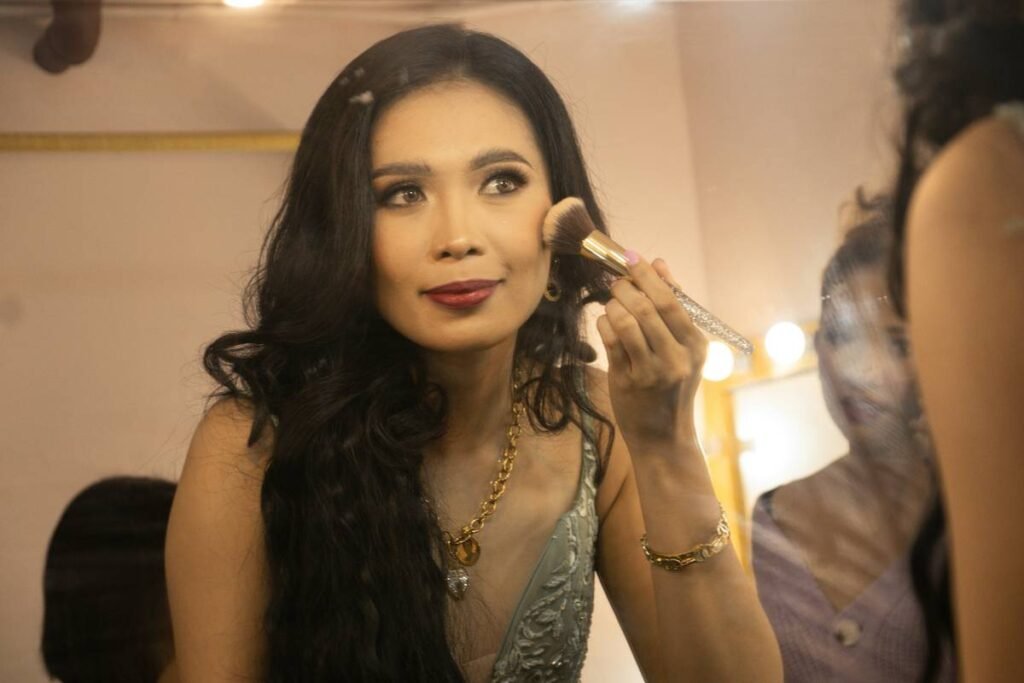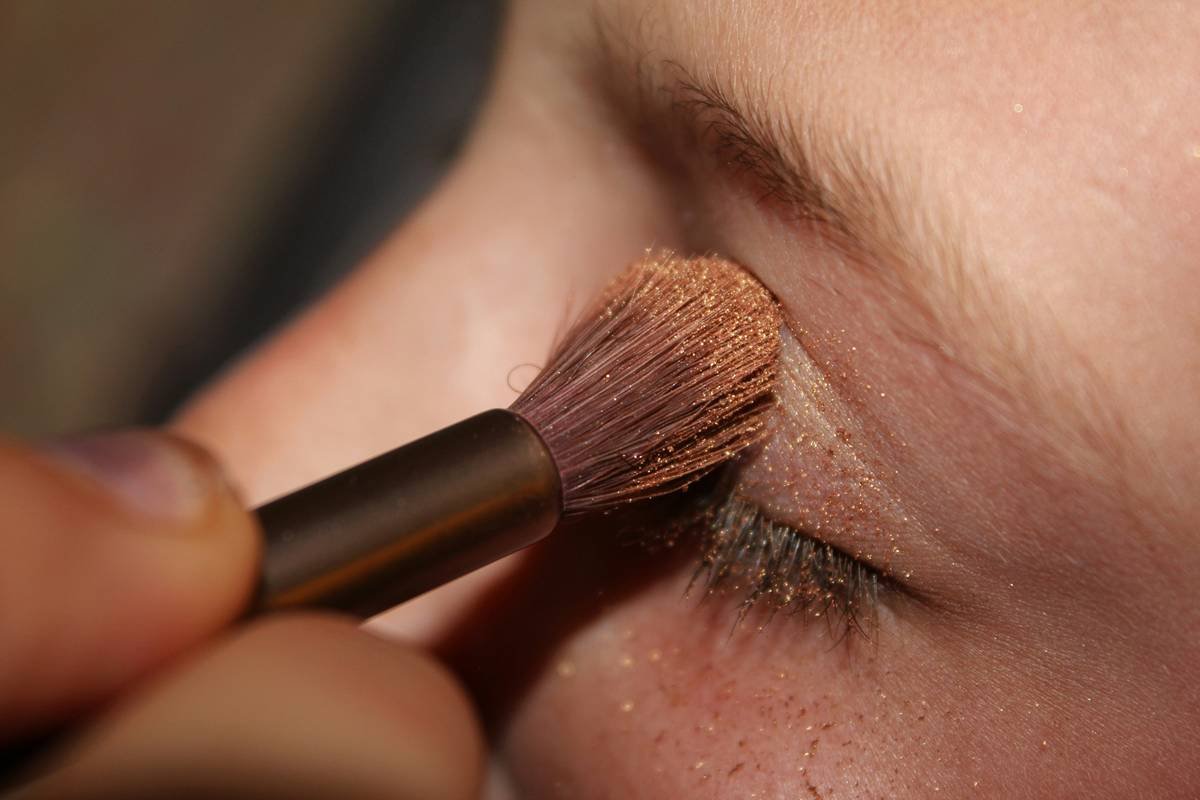
Fashion week floods your feed with “exclusive runway looks”—yet 90% vanish by season’s end. Why? Because they’re built for flash, not function. But what if you could adapt that high-impact editorial precision for real-world wear? At Amy Stockwell, we crack the code between catwalk fantasy and wearable brilliance.
Why Your Everyday Makeup Fails to Capture True Runway Energy
Runway makeup isn’t just bold—it’s strategic exaggeration calibrated for distance, lighting, and movement.
And most tutorials miss this entirely. They copy pigment placement without grasping why it works under stage lights or how it shifts when a model walks at speed.
The result? You layer on graphic liner or glitter only to look overdone in natural daylight. The math is simple: what reads as “defined” from 30 feet collapses into chaos up close. Runway artistry solves for perception—not perfection.
How to Recreate Exclusive Runway Looks Without Becoming a Costume
Forget mirroring every stroke. Instead, isolate the *one* focal point that defines each show’s face—and translate it using skin-first logic.
Step 1: Identify the Emotional Anchor of the Look
Was it melancholy minimalism (think: Jil Sander)? Or kinetic chaos (hello, Marc Jacobs)? Editorial makeup communicates mood before technique. Choose your anchor—eyes, lips, or skin—and mute everything else.
Step 2: Adapt Pigment Density for Daylight
Runway formulas are often mixed with theatrical binders for opacity under harsh lights. For daily wear, swap cream-based pigments for sheer washes with buildable intensity. A gel liner thinned with setting spray mimics graphic sharpness without rigidity.
Step 3: Lock Movement Into Place
Catwalk faces endure wind machines, sweat, and rapid pivots. Your version needs flexible hold—not cement. Use a translucent powder *only* where shine disrupts the focal point (e.g., T-zone for a glossy lip look).
| Runway Element | Direct Copy Risk | Wearable Translation | Product Type Shift |
|---|---|---|---|
| Full-face glitter | Overwhelming in office light | Targeted glitter tear duct + matte cheeks | Theatrical loose glitter → Cosmetic-grade pressed shimmer |
| Monochromatic blush-to-lip | Flattens facial depth | Blush on apples only; deeper lip tone | Cream palette → Layered liquid blush + satin lipstick |
| Extremely extended wing | Catches in photos like a smudge | Sharp inner corner flick + diffused outer tail | Acrylic paint liner → Water-resistant gel pencil |
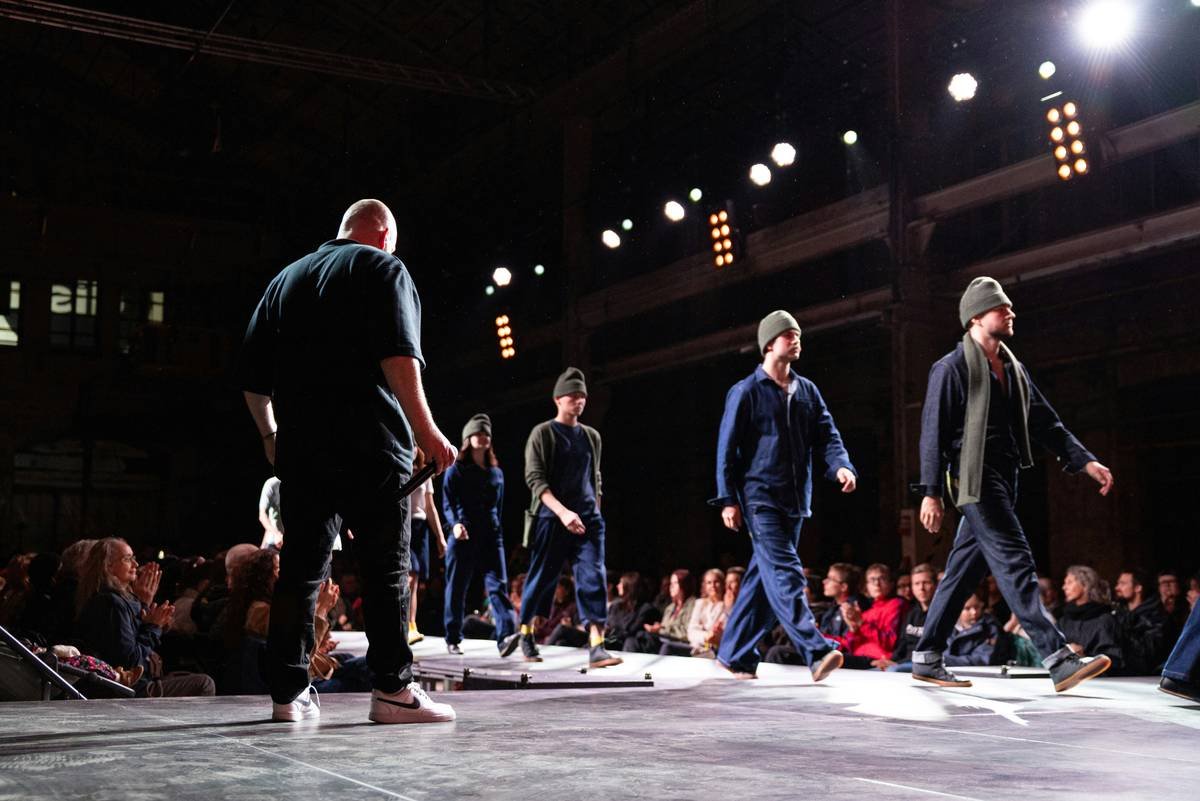
The Industry Secret: Runway Makeup Is Built to Disappear
Here’s what no backstage report tells you: top makeup artists design “exclusive runway looks” to photograph *once*—then dissolve gracefully. Their real skill? Creating impact that doesn’t cling.
Think about it. That neon eyeliner at Prada? Removed within 90 seconds post-walk so models can rush to the next casting. The formula includes volatile silicones that evaporate slightly, preventing transfer but fading cleanly.
Your takeaway? Prioritize formulas with intentional impermanence. A runway-inspired look shouldn’t haunt your pillowcase—it should elevate your moment, then exit elegantly.
FAQ: Your Top Questions About Runway-Inspired Makeup
Can I wear exclusive runway looks to work?
Yes—if you reduce intensity by 60%. Keep one element bold (e.g., sculpted brows), mute color saturation, and avoid anything that catches overhead lighting awkwardly.
What brushes create authentic editorial definition?
Angled micro-fan brushes for shadow diffusion and flat spoolies for controlled product removal. Precision beats density backstage.
Do runway looks require expensive products?
No. Pros layer drugstore bases with pro pigments. The magic is in placement—not price tags. Focus on blendability over branding.