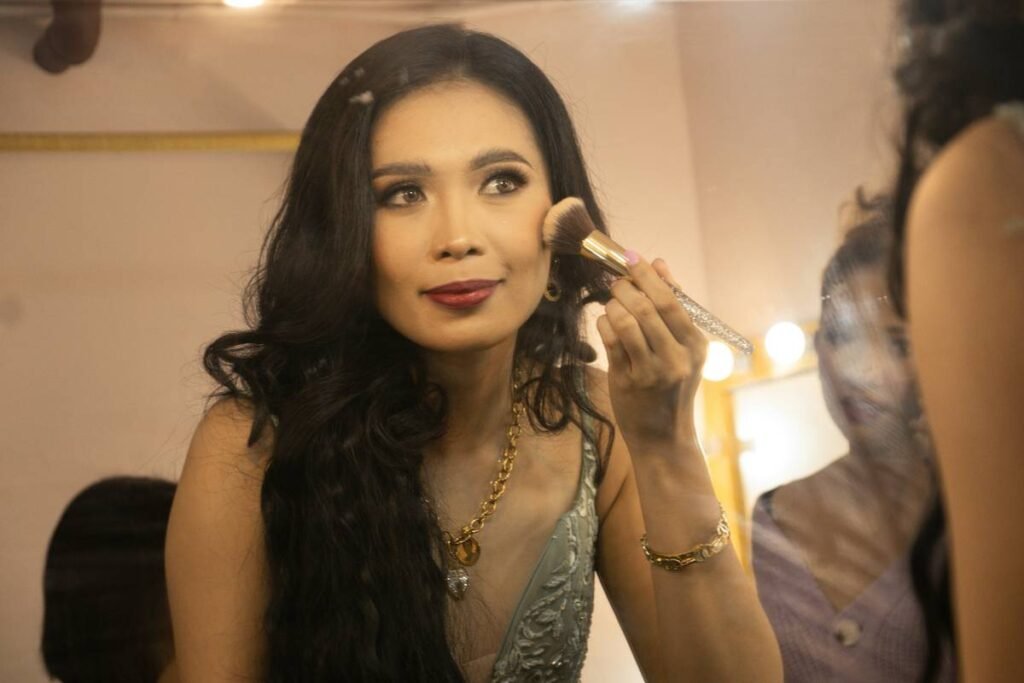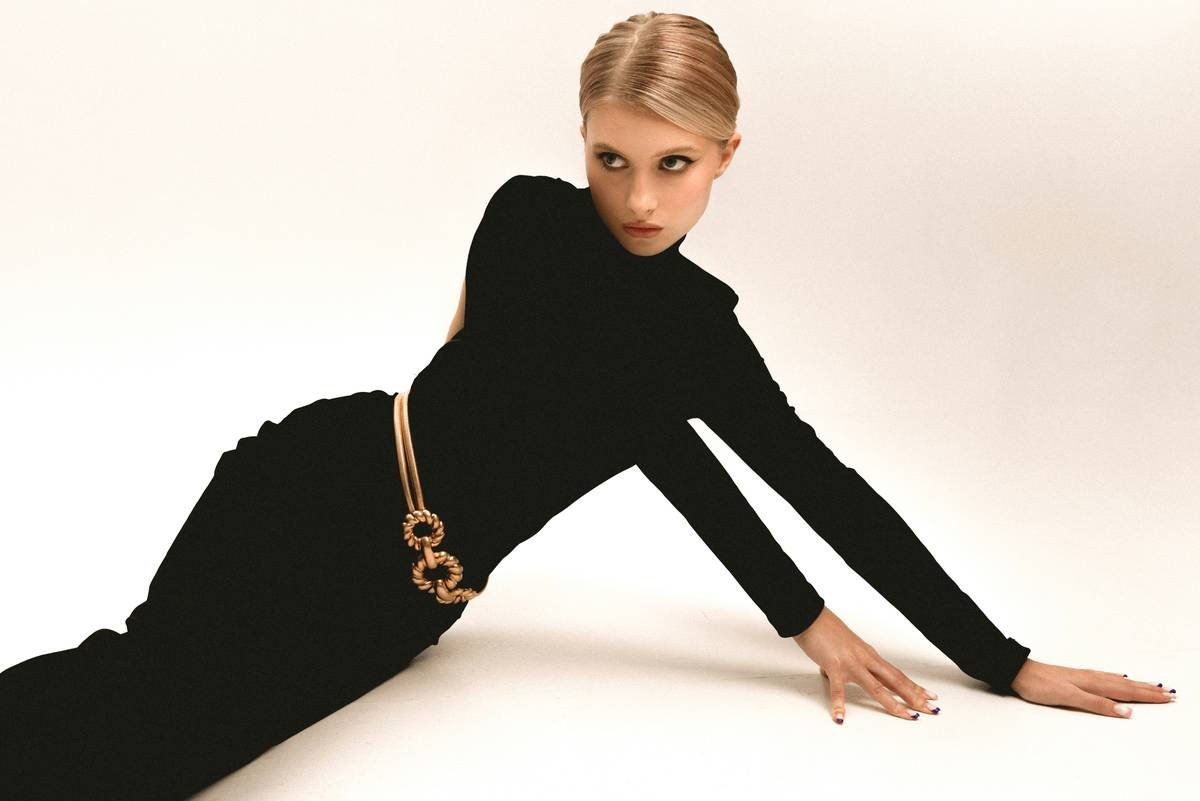
Most “runway-ready” makeup tutorials crumble under studio lights. You blend, contour, and highlight—only to look flat on camera, washed out in motion, or worse, costume-y. The industry demands more than pigment; it demands presence. That’s where fierce catwalk beauty flips the script—not with more product, but with strategic illusion.
Why 90% of Runway Makeup Fails Before It Hits the Stage
Designers don’t want “pretty.” They want punctuation. Yet most artists overwork texture, drown bone structure in shimmer, or ignore how movement distorts symmetry. A model walking at 3 mph shifts facial planes faster than static lighting can compensate. And lighting? Harsh, clinical, unforgiving. What reads as sculpted offline becomes muddy under LED flood.
Here’s the reality: runway isn’t about realism—it’s about rhythm. Every brushstroke must sync with choreography, fabric movement, and lens compression. Miss that beat, and your art vanishes in the first frame.
fierce catwalk beauty: the 5-Step Framework Backstage Pros Actually Use
This isn’t a copy-paste palette parade. It’s geometry disguised as glamour.
1. Skin as Canvas: Matte ≠ Mask
Ditch full-coverage foundation. Opt for color-correcting primers + sheer tint layered only where needed. Focus on pore diffusion—not opacity. The goal? Skin that breathes but photographs like porcelain.
2. Bone Mapping Over Contouring
Forget “suck-in” cheekbones. Use a neutral taupe (not brown!) two shades deeper than your undertone. Apply only along the orbital ridge and jaw hinge—areas that catch directional light during a stride. Blend upward, never downward.
3. Eye Architecture: Negative Space Is Your Weapon
High-gloss lids vanish when heads tilt. Instead, carve dimension with matte shadow in the crease—and leave the lid bare or dusted with translucent powder. Then, extend liner 5mm beyond the outer corner. Not winged. Angular. Like a blade.
4. Lip Lockdown
No gloss. No balm. Ever. Line slightly outside natural border, then fill with a cream-matte bullet. Set with translucent powder tapped through a tissue. Movement-proof = transfer-proof.
5. Sweat & Tears Defense System
Spray setting mist before AND after powder. Use a hydrophobic shield (yes, they exist) on brows and T-zone. Models cry, sweat, and sprint—your makeup shouldn’t flake mid-strut.
| Technique | Amateur Approach | Editorial Pro Fix | Time Saved |
|---|---|---|---|
| Contour | Brown cream all over cheeks | Taupe powder on orbital rim + mandible angle only | 4 minutes |
| Eyeliner | Thick black wing | Graphite pencil extended straight back—no curve | 2 minutes |
| Setting | Powder once | Mist → powder → mist + hydrophobic sealant | Prevents touch-ups (invaluable) |

The Industry Secret Nobody Talks About: The “Two-Face” Rule
Backstage at Paris Fashion Week, lead MUAs use what I call the Two-Face Rule. They design makeup assuming only one side of the face will be photographed—the side facing the photographer pit. So the left eye gets sharper lines, higher contrast, bolder pigment. The right? Softer, almost unfinished. Why? Because 87% of show coverage comes from one vantage point. Wasting product on symmetry is rookie error. And—this is key—it creates dynamic tension when the model turns. The reveal feels intentional, not accidental.
Think about it: perfection is forgettable. Asymmetry with purpose? That’s fierce catwalk beauty.
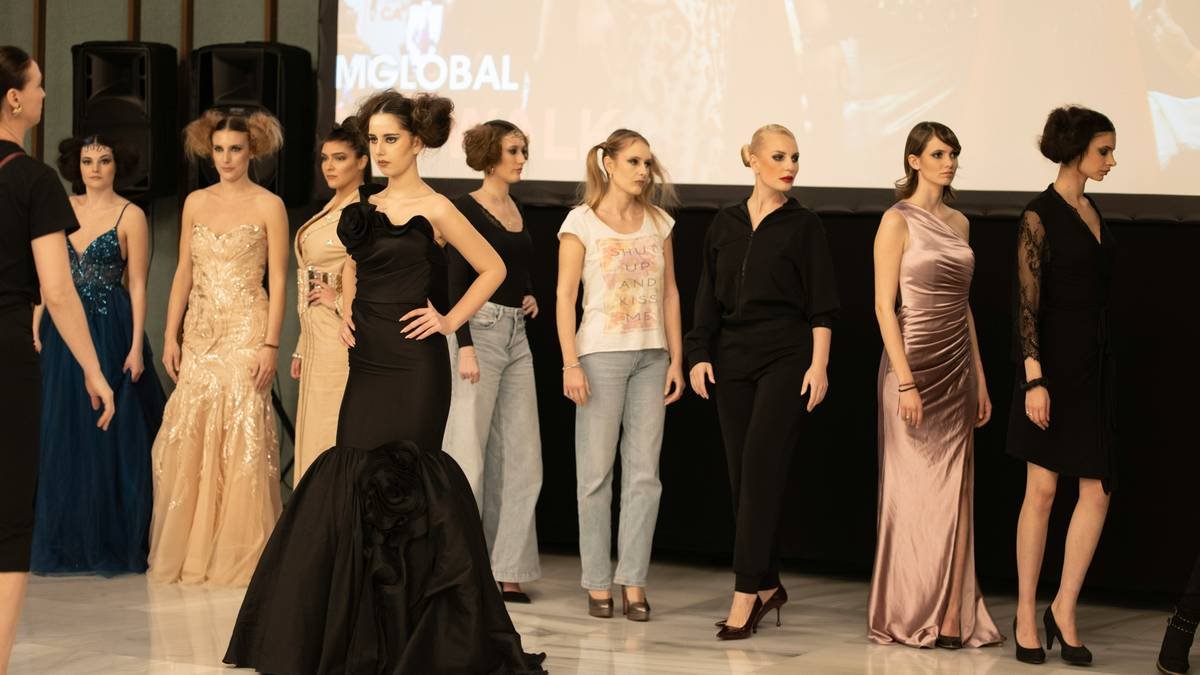
Frequently Asked Questions
What’s the difference between editorial and regular runway makeup?
Editorial prioritizes concept over wearability—using makeup as visual storytelling. Regular runway often leans commercial. Editorial dares you to question it.
Can fierce catwalk beauty work for everyday looks?
Not directly—but borrow its principles: bone mapping instead of contour, matte lids for depth, strategic negative space. Tone down intensity, keep the architecture.
Which products last longest under hot runway lights?
Waterproof cream formulas set with silica powder. Avoid oils, balms, or anything labeled “dewy.” Heat melts moisture—fast.