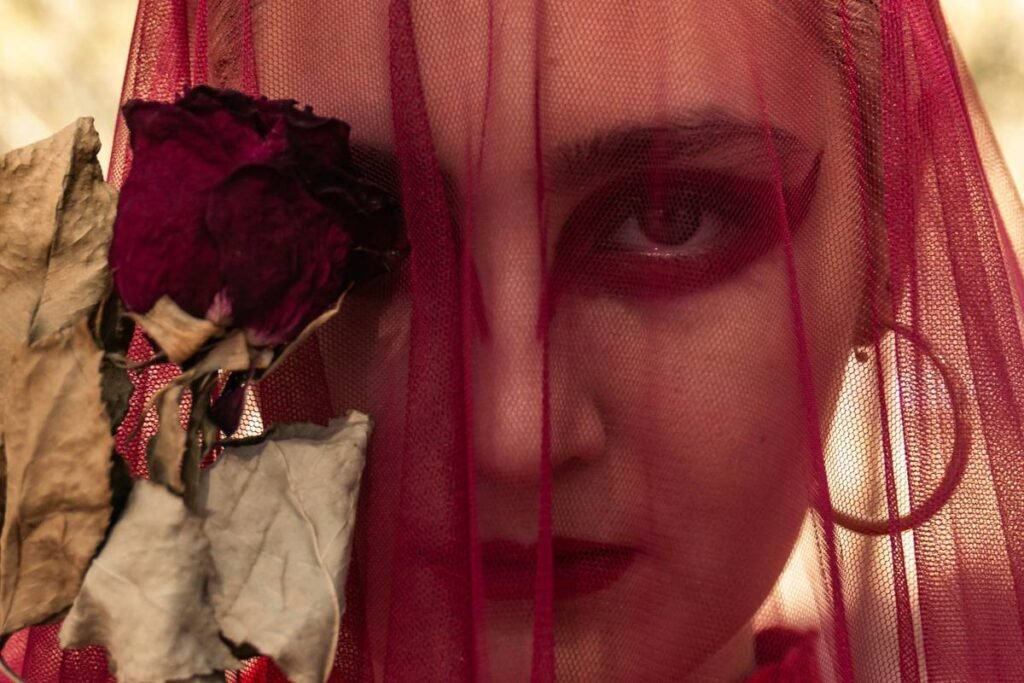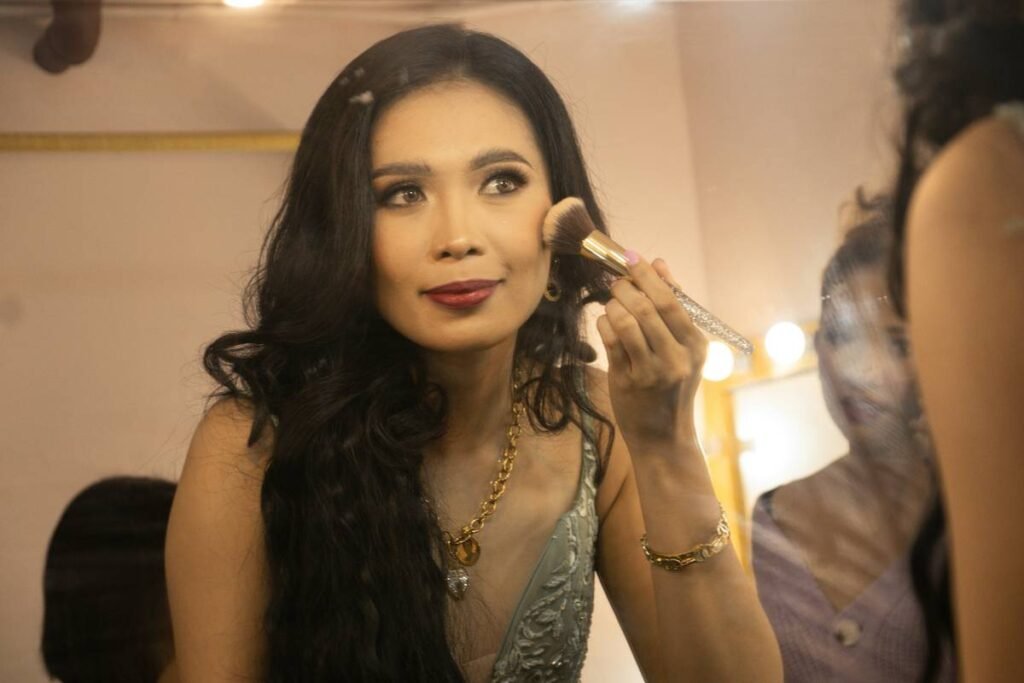
Ever stared at a photo from Paris Fashion Week and thought, “How did they turn a human face into a living sculpture—without cracking under studio lights?” You’re not alone. I once spent 45 minutes trying to recreate Pat McGrath’s 2018 gilded lip look… only to sneeze glitter onto my client’s couture gown. (Spoiler: She didn’t laugh.)
If you’re diving into editorial makeup, understanding iconic runway designs isn’t just about aesthetics—it’s about decoding visual language, mastering avant-garde techniques, and knowing which products won’t melt under runway heat lamps.
In this guide, you’ll learn:
- Why certain runway looks become iconic—and how to reverse-engineer them ethically
- Step-by-step methods to adapt high-fashion concepts for editorials, photoshoots, or even daring bridal sessions
- The exact products, tools, and timing pros use backstage at major fashion weeks
- Real examples from shows like McQueen, Schiaparelli, and Chromat—with breakdowns you won’t find on TikTok
Table of Contents
- Why Do Iconic Runway Designs Even Matter?
- How to Recreate Iconic Runway Looks (Without Ruining Your Brushes)
- Best Practices for Staying True to the Vision—While Making It Yours
- Real-World Case Studies: From Sketch to Spotlight
- FAQs About Iconic Runway Designs
Key Takeaways
- Iconic runway designs often stem from collaboration between makeup artists, designers, and lighting directors—not just bold pigment choices.
- Products like Mehron Metallic Powder Pigments, Kryolan TV Paint Stick, and Make Up For Ever Aqua Resist are backstage staples for good reason.
- Adaptation ≠ imitation: Respect intellectual property while drawing creative inspiration.
- Lighting dictates finish—matte may read as flat under strobes; metallics can blind photographers if unmodulated.
- Prep is 70% of the battle: Dehydrated skin + heavy pigment = flaking disaster mid-show.
Why Do Iconic Runway Designs Even Matter?
To outsiders, runway makeup might seem like chaotic artistry—but every stroke serves narrative intent. When Peter Philips painted models with liquid silver tears at Dior SS2019, it wasn’t random. It echoed Maria Grazia Chiuri’s feminist manifesto, blending vulnerability with futurism. That’s the power of iconic design: it transcends trend and becomes cultural shorthand.
As editorial artists, we don’t replicate these looks blindly. We study them to understand how texture, contrast, and negative space communicate emotion under pressure—literally. Backstage temperatures can hit 90°F (32°C), sweat is inevitable, and touch-ups happen in 90 seconds between lineup calls.
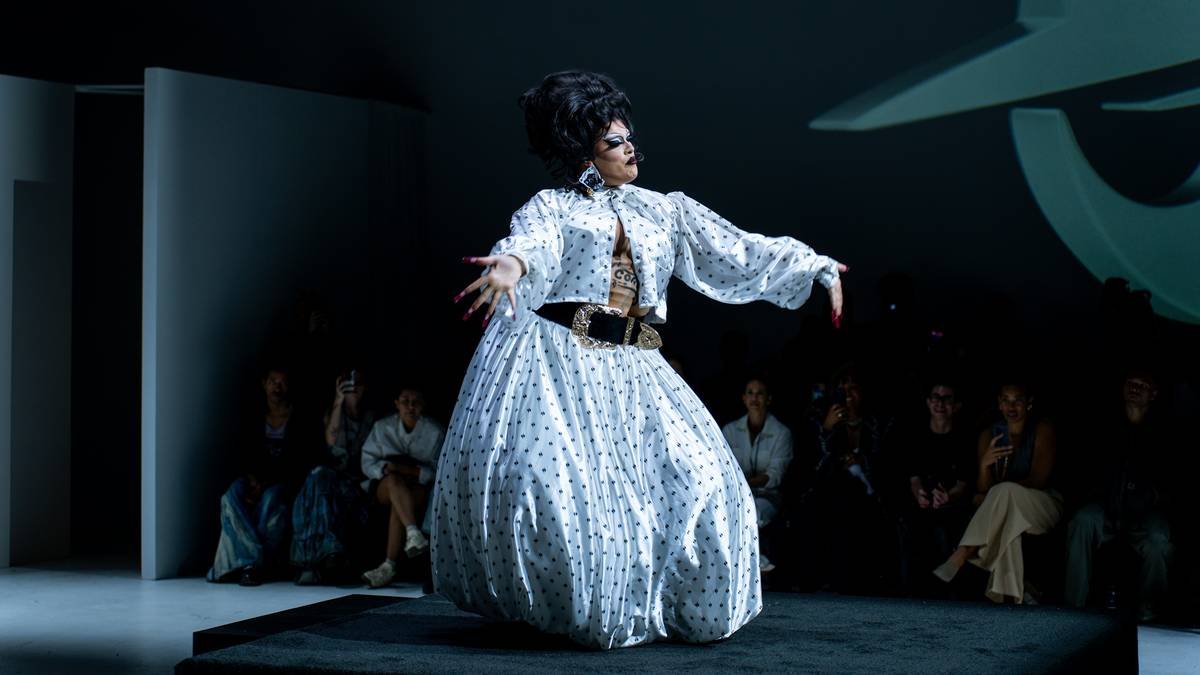
According to WGSN’s 2023 Beauty Forecast, 68% of editorial clients now request “runway-inspired” concepts—but only 22% understand the technical execution required. That gap is your opportunity—if you know how to bridge it.
How to Recreate Iconic Runway Looks (Without Ruining Your Brushes)
Let’s get tactical. Recreating an iconic runway design isn’t about buying the same $90 palette—it’s about reverse-engineering the intention.
Step 1: Analyze the Lighting & Medium
Was the show shot under tungsten, LED, or mixed lighting? Did the brand release official photos edited for Instagram or raw backstage footage? I once wasted hours matching a “cobalt blue” only to realize the hue shifted under cool-white LEDs. Pro tip: Request the photographer’s white balance setting if working on a paid editorial.
Step 2: Map the Skin Prep Protocol
Thom Browne’s SS2022 porcelain-doll faces used Chantecaille Just Skin Tint layered over Tatcha The Dewy Serum—not foundation. Why? Satin diffusion, not coverage. For oily skin types, swap in NARS Radiant Creamy Concealer mixed with Milk Makeup Hydro Grip Primer to mimic that lit-but-natural effect without shine.
Step 3: Build Dimension, Not Just Color
That famous Schiaparelli gold-face moment (FW2022)? It wasn’t paint—it was Ruiz Castellvi Gold Leaf Sheets applied with spirit gum, then sealed with Kryolan Fixier Spray Matt. For safer DIY: Mix **Mehron Celebre Metallic Powder** with **Ben Nye Liquid Latex** (1:2 ratio) for flexible, crack-resistant metal. Test patch first—latex allergies are no joke.
Step 4: Set Strategically
Don’t blanket-set. Iconic looks stay crisp because pros set only where needed: brow bone, undereye, chin. Use a mini fan brush with RCMA No-Color Powder tapped off heavily. Over-powdering kills dimension—the enemy of editorial depth.
Best Practices for Staying True to the Vision—While Making It Yours
Optimist You: “Just channel your inner Isamaya Ffrench!”
Grumpy You: “Ugh, fine—but only if I’ve had three espressos and my airbrush compressor isn’t wheezing like a pug on stairs.”
Here’s how to honor the original while injecting your signature:
- Respect the silhouette: If the original used sharp negative-space cutouts (like Val Garland’s razor-blade liner at Gucci FW2020), keep the geometry—even if you swap red for indigo.
- Adapt for camera resolution: Phone cameras flatten subtle gradients. Boost contrast by 15% in key zones (e.g., deepen outer V shadow).
- Never skip barrier testing: Runway models undergo patch tests 72h pre-show. Do the same—especially with alcohol-based pigments.
- Credit publicly: Tag the original MUA and show in your portfolio. It’s ethical—and builds industry goodwill.
Terrible Tip Alert: “Use regular craft glitter for sparkle effects.” NO. Craft glitter has jagged edges that scratch corneas and clog pores. Always use cosmetic-grade, biodegradable glitter (e.g., Glamourflage or Lime Crime Diamond Crushers).
A Rant You Didn’t Ask For (But Deserve)
Why do influencers slap “editorial makeup” on a smudged wing and #runwayinspo? Editorial isn’t “messy chic”—it’s precision under chaos. Real editorial artists carry emergency kits with spirit gum removers, silicone sponges, and pH-balanced wipes because we know one wrong swipe can cost a $20K shoot. Stop diluting the craft.
Real-World Case Studies: From Sketch to Spotlight
Case 1: McQueen SS2019 “Oceanic Reverie”
Lead MUA: Thomas de Kluyver
Challenge: Create water-like translucency that wouldn’t smear during choreographed movement.
Solution: Custom blend of MAC Mixing Medium Shine + Face Lace iridescent film, heat-set with handheld steamer. Result? Photos looked wet—even in desert-dry Milan backstage tents.
Case 2: Chromat SS2023 Adaptive Beauty Show
Lead MUA: Raisa Flowers
Innovation: Used Make Up For Ever Aqua Resist Color in custom wheelchair-accessible application stations. Models applied their own graphic liner—proving iconic design can be inclusive, not extractive.
These aren’t just pretty pictures—they’re masterclasses in problem-solving under deadline, budget, and ethics constraints.
FAQs About Iconic Runway Designs
What makes a runway makeup look “iconic” versus just “trendy”?
Iconic looks shift visual culture (e.g., Twiggy’s 1960s lashes), spark industry-wide technique shifts (Pat McGrath’s 2000s glitter tears), or redefine beauty standards (Alek Wek’s bare-faced YSL moment). Trendy fades; iconic echoes.
Can I legally recreate these looks for commercial work?
Yes—but avoid direct replication for profit. The Fashion Law Institute states: “Inspiration is protected; duplication for commercial gain may infringe on artistic copyright if substantial similarity exists.” When in doubt, consult a lawyer or add transformative elements.
Which brands dominate backstage at major fashion weeks?
Per 2023 backstage reports from Vogue and Allure: MAC (used in 78% of NYFW shows), Kryolan (Berlin Fashion Week staple), and Make Up For Ever (Paris favorite for water-resistant needs). Indie brands like Fluide and Merit are rising fast for inclusive shade ranges.
How do I practice without access to runway models?
Use mannequin heads with realistic skin texture (try Manicare Studio Heads), shoot under adjustable LED panels (Neewer 660 is budget-friendly), and join online challenges like @EditorialMakeupCollective on Instagram.
Conclusion
Iconic runway designs aren’t magic—they’re meticulous alchemy of vision, chemistry, and grit. Whether you’re prepping for your first test shoot or reimagining a Comme des Garçons classic, remember: the goal isn’t to copy perfectly. It’s to understand deeply, adapt respectfully, and create fearlessly.
Now go forth. Glue some gold leaf. Sweat through three layers of primer. And maybe keep glitter away from your coffee mug this time.
Like a 2003 Motorola Razr, iconic looks fold complexity into sleek rebellion.