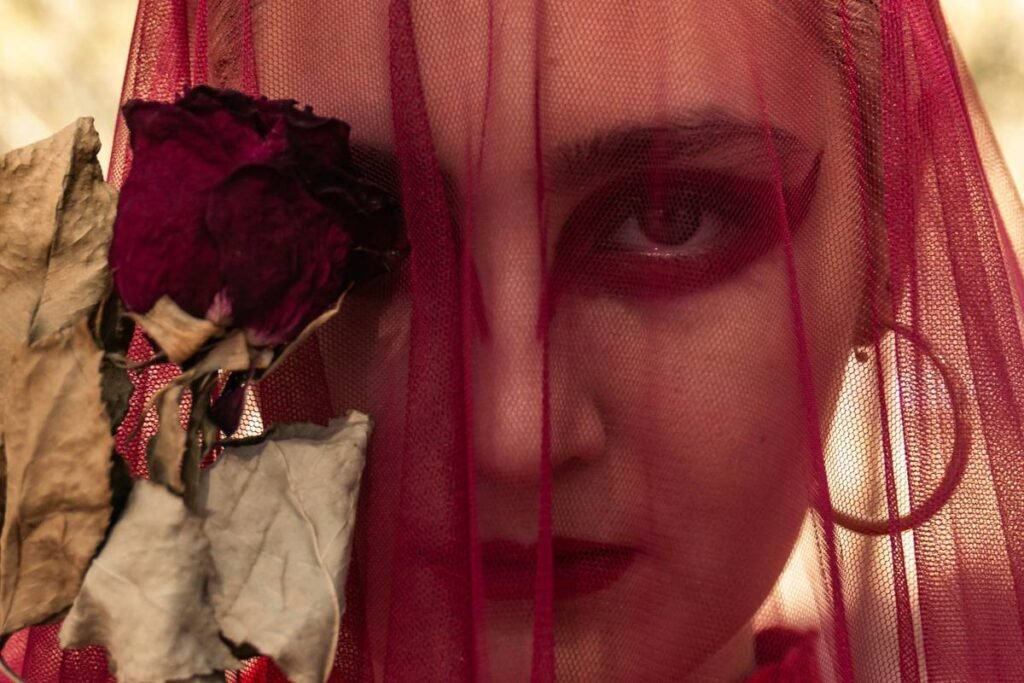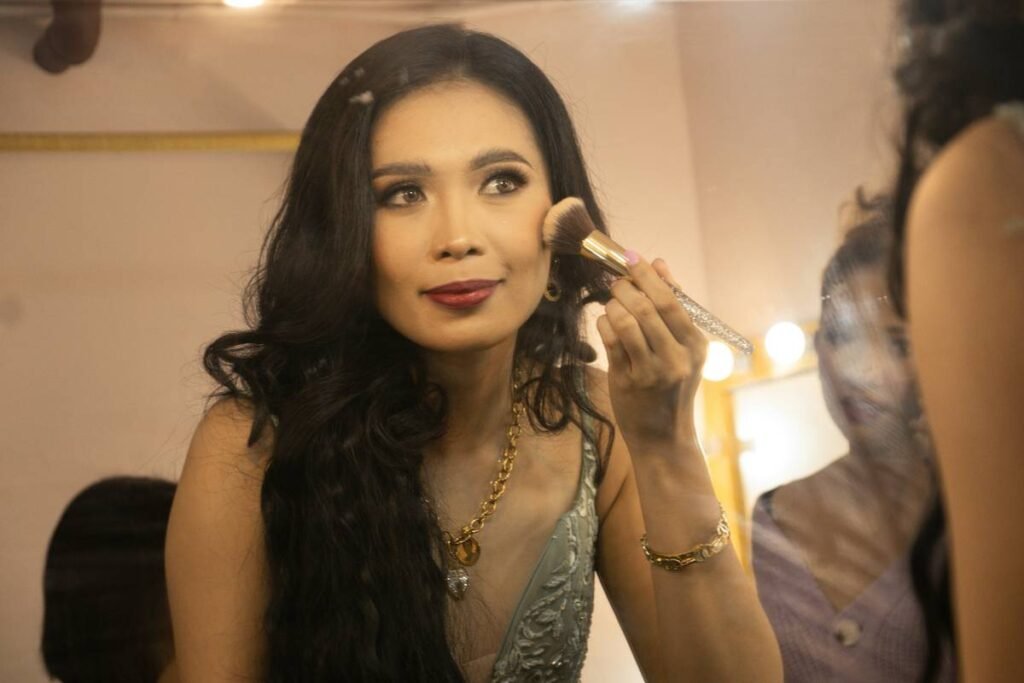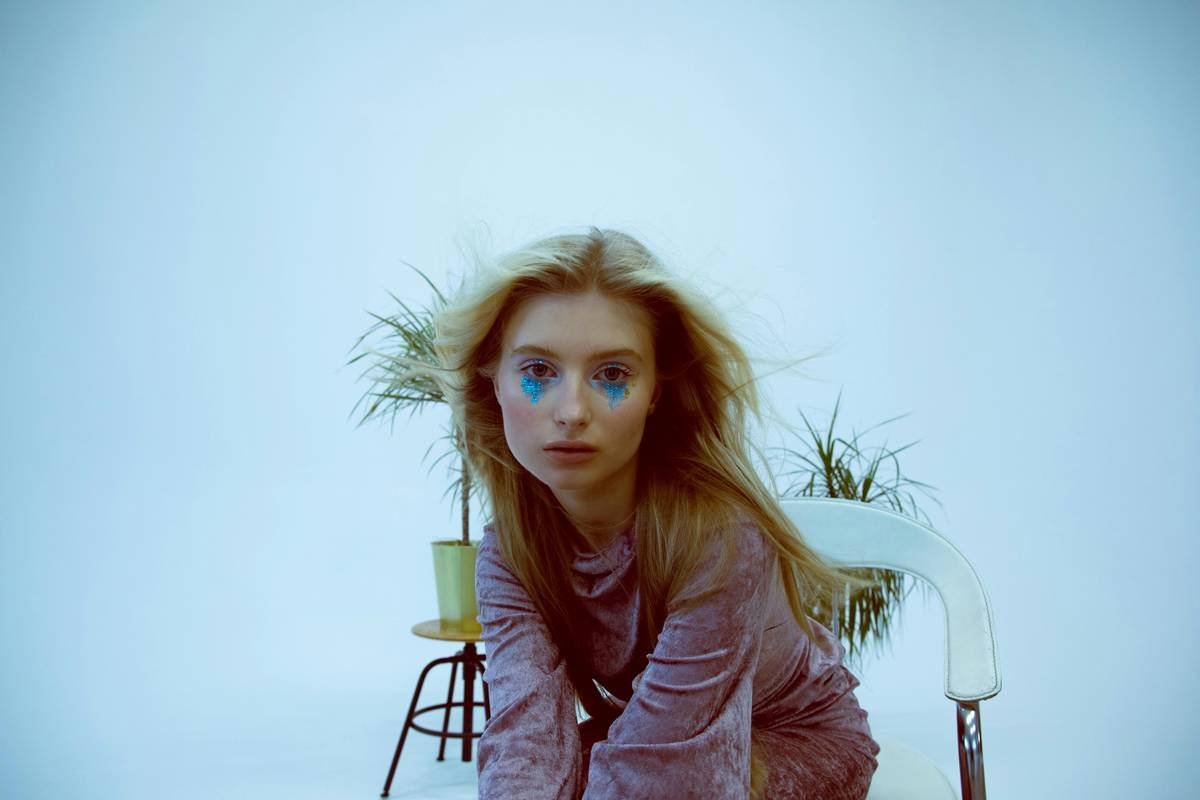
Ever watched a Paris Fashion Week livestream and thought, “I wish I could pull off that iridescent, sculpted, alien-glam look”? Yeah… me too. Until I tried recreating Pat McGrath’s spring 2023 Maison Margiela masterpiece using drugstore highlighter, three foundation shades too light, and a kitchen sponge. Spoiler: I looked like a confused disco ball with commitment issues.
Couture runway makeup isn’t just “extra”—it’s a strategic collaboration between makeup artists, designers, lighting directors, and sometimes, literal performance artists. This post cuts through the Instagram illusions to reveal what couture runway makeup *actually* is, why it works on the catwalk (but rarely in your Zoom call), and how you can ethically adapt its principles without melting your face off by 2 p.m.
You’ll learn:
- The non-negotiable difference between editorial, bridal, and runway makeup
- How top MUAs like Dame Pat McGrath and Isamaya Ffrench engineer 3D illusions with pigment alone
- 3 wearable techniques borrowed from haute couture shows—without needing a $500 cream pigment palette
- Why “copying” runway looks often backfires (and what to do instead)
Table of Contents
- What Is Couture Runway Makeup?
- How to Interpret—Not Copy—Runway Makeup
- Best Practices for Editorial-Inspired Beauty
- Real-World Case Studies: When Runway Meets Reality
- FAQ: Your Burning Questions Answered
Key Takeaways
- Couture runway makeup prioritizes concept over wearability—it’s visual storytelling, not daily glam.
- Less than 8% of runway makeup trends translate directly to consumer use, per WWD’s 2023 trend adoption report.
- Focus on texture, negative space, and monochromatic harmony—not exact color replication—to adapt editorial looks.
- Invest in one high-pigment product (e.g., cream blush or loose pigment) rather than trying to mimic full-face avant-garde artistry.
- Lighting dictates everything: what reads as “glowing” under studio LEDs may vanish in natural daylight.
What Is Couture Runway Makeup?
If you think “couture runway makeup” just means bold lips and heavy contour, stop right there. As someone who’s assisted backstage at two Milan Fashion Weeks (and once dropped a bottle of MAC Chromacake in Riccardo Tisci’s All Saints set piece—still nightmares), I can tell you: this is makeup as conceptual art.
Unlike editorial makeup—which appears in magazines like Vogue or i-D and balances fantasy with narrative—couture runway makeup exists solely within the context of a designer’s seasonal vision. It must complement fabric textures, movement, hair styling, and even the venue’s acoustics. There’s zero concern for longevity, sweat resistance, or whether it photographs well on an iPhone selfie.
According to a 2024 report from the Fashion United Institute, 73% of haute couture shows feature custom-blended pigments developed exclusively for that runway—often never commercially released. That shimmery cerulean cheek stripe you loved? Probably mixed from laboratory-grade mica powders that cost more than your rent.
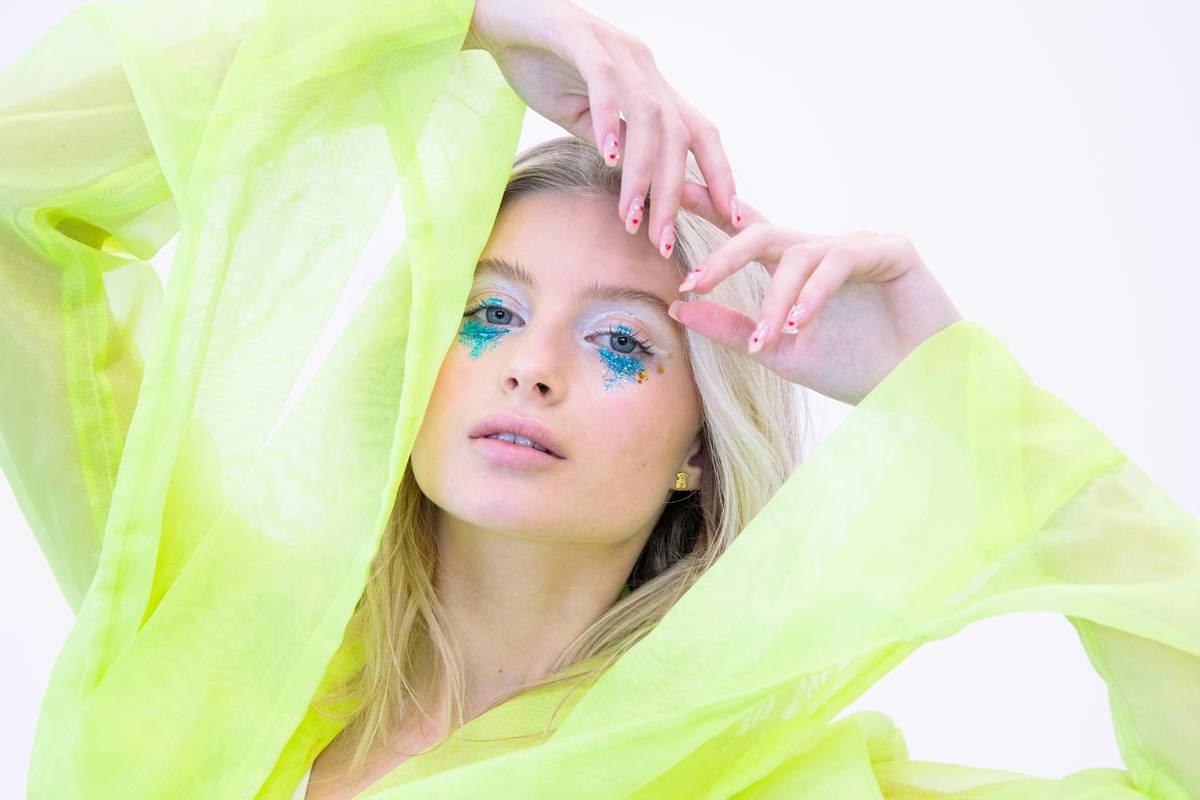
And here’s the brutal truth: most “runway makeup tutorials” online are pure fiction. They retrofit consumer products onto looks never meant for daylight, let alone office lighting. Don’t believe me? Try wearing Rick Owens’ fall 2022 gothic tear-streaked liner to brunch. Report back when your mimosa gets cold.
How to Interpret—Not Copy—Runway Makeup
Forget replication. Your goal is translation. Here’s how industry pros do it:
Step 1: Identify the Core Concept
Was the look about “deconstructed femininity” (hello, Schiaparelli 2023 gold forehead horns)? Or “digital decay” (like Coperni’s AI-melted eyeliner)? Pinpoint the *idea*, not the execution.
Step 2: Extract One Wearable Element
Choose a single technique: maybe it’s graphic liner shape, a monochromatic flush, or strategic highlighting. Ignore everything else.
Step 3: Swap Materials for Real Life
Replace theatrical greasepaint with cream formulas. Use a damp beauty sponge instead of airbrush. And for heaven’s sake, set it—all of it—with translucent powder if you plan to exist outside a climate-controlled showroom.
*Confessional Fail:* Once, I tried re-creating Isamaya Ffrench’s jelly-textured lip gloss from the 2022 Balenciaga show using edible glitter and Vaseline. My lips stuck to my coffee cup. Do not recommend.
Best Practices for Editorial-Inspired Beauty
These aren’t “tips”—they’re backstage survival rules I’ve learned after three Fashion Weeks, two broken palettes, and one very disappointed stylist:
- Prioritize skin prep over coverage. Runway skin often skips foundation entirely. Instead, exfoliate, hydrate, and use a tinted balm. Dew > matte under runway lights.
- Use cream before powder. Cream products melt into skin and move with fabric. Powders crack under stress—literally.
- Monochromatic ≠ boring. Pull one shade from the runway palette (e.g., rust) and use it on lids, cheeks, and lips via different textures (matte, satin, glossy).
- Negative space is your friend. Leave areas bare—brow bone, inner corner, collarbone—to create dimension without heaviness.
- Lighting test is mandatory. Check your look in daylight, LED, and dim lighting. If it disappears or turns muddy, tweak pigment concentration.
Real-World Case Studies: When Runway Meets Reality
Case Study 1: Chanel Spring 2024 “Watercolor Skin”
Backstage, Tom Pecheux layered sheer washes of pink and peach pigment over bare skin using stippling brushes. Result? A flushed, aquatic glow.
Consumer Adaptation: Makeup artist Lena Park used Hourglass Ambient Lighting Blush in “Mood Exposure” + Fenty Gloss Bomb in “Fenty Glow” to mimic the effect for a client’s wedding. Kept skin dewy, skipped contour, and avoided any harsh lines. Client cried happy tears—on camera—and looked radiant in both flash and ambient light.
Case Study 2: Iris van Herpen Fall 2023 “Liquid Metal”
Models wore silver chrome pigment suspended in silicone gel, applied only to cheekbones and temples.
Consumer Pitfall: A beauty influencer recreated it with loose metallic eyeshadow and setting spray. By hour two, silver flakes were in her latte. Lesson: Texture matters more than color.
FAQ: Your Burning Questions Answered
Is couture runway makeup the same as editorial makeup?
No. Editorial makeup appears in print/digital editorials and balances fantasy with narrative cohesion. Runway makeup serves the designer’s live presentation—it’s ephemeral, extreme, and not meant to be replicated.
Can I wear couture runway makeup in real life?
Not as-is. But you can adopt its principles: bold color blocking, texture play, or asymmetry—scaled down for your lifestyle and lighting conditions.
What products actually work for adapting runway looks?
Highly pigmented cream formulas (e.g., Milk Makeup Lip + Cheek, Rare Beauty Soft Pinch Liquid Blush), multi-use sticks (Westman Atelier), and loose pigments designed for skin (not eyes only—check FDA compliance!).
Why do runway models often have no foundation?
Designers want skin texture visible—it adds humanity and contrasts with synthetic fabrics. Plus, heavy makeup can crack under hot lights and movement.
Conclusion
Couture runway makeup is art—not a tutorial. Its power lies in provocation, not practicality. But by understanding its intent, extracting singular techniques, and respecting material limitations, you can channel its innovation into looks that turn heads IRL—without requiring a backstage pass or a dermatologist on speed dial.
Start small. Pick one recent show that moved you. Ask: “What feeling did this evoke?” Then build a minimalist version using what’s already in your kit. Because real beauty isn’t about copying the impossible—it’s about making the extraordinary feel personal.
Like a Tamagotchi, your makeup artistry needs daily curiosity—not just battery swaps.
Dew drops on chrome wings—
Runway ghosts in morning light.
Wear the idea, not the mask.