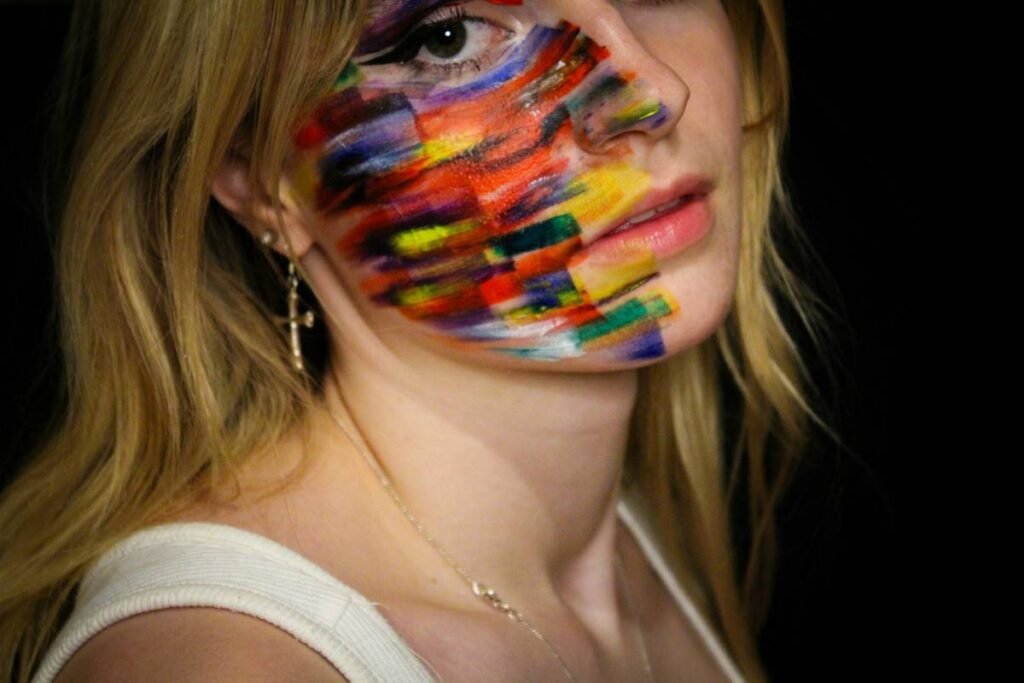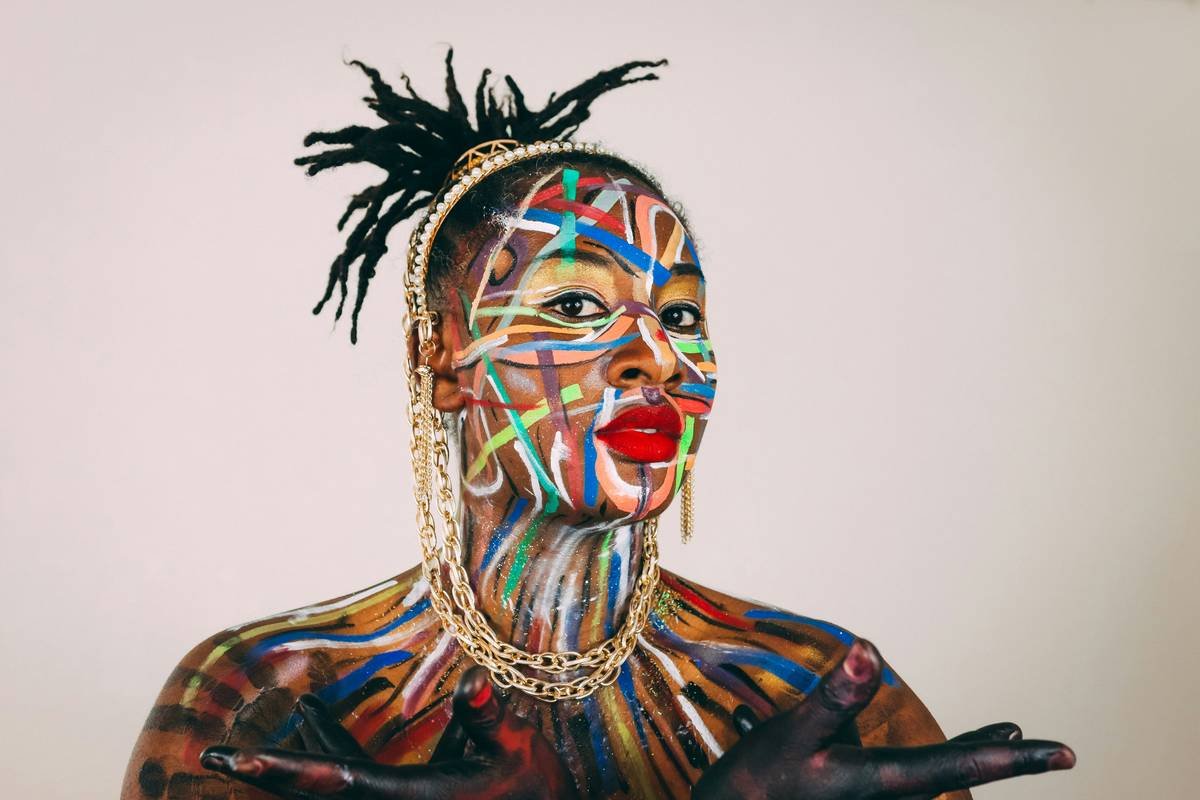
Ever looked at an avant-garde runway look and thought, “How do I even begin to translate that into something wearable—or at least Instagrammable?” You’re not alone. I once tried replicating a Pat McGrath liquid chrome eye using nail polish (don’t ask). My model ended up with glitter tears and a skin reaction that required aloe vera, ice packs, and an existential crisis.
Editorial makeup isn’t just about looking “pretty”—it’s visual storytelling with pigment, texture, and boldness as your vocabulary. And right now, the beauty world is exploding with innovative makeup styles that blend tech, sustainability, and raw artistic expression. In this post, you’ll discover:
- The rise of non-traditional materials in editorial looks (yes, including biodegradable glitter)
- Step-by-step techniques to adapt high-concept makeup for real life
- Real case studies from behind-the-scenes at Milan and Seoul Fashion Weeks
- Pitfalls to avoid (like my nail-polish fiasco)
Table of Contents
- Why Editorial Makeup Matters Beyond the Runway
- How to Create Innovative Makeup Styles: A Practical Guide
- Pro Tips for Staying Cutting-Edge Without Burning Your Eyebrows Off
- Real-World Examples That Defined 2024’s Editorial Trends
- FAQs About Innovative Makeup Styles
Key Takeaways
- Innovative makeup styles prioritize concept over convention—think sculptural blush, color-blocking with intention, and hybrid textures.
- You don’t need a backstage pass to experiment—start with one bold element and build outward.
- Always patch-test unconventional products (learned that the hard way… again).
Why Editorial Makeup Matters Beyond the Runway
Let’s be real: most of us aren’t walking in Schiaparelli’s next show. But editorial makeup—the kind you see in Vogue, i-D, or campaign shoots for Fenty Beauty—sets the cultural compass for what’s next in beauty. It’s R&D for the entire industry.
According to WGSN’s 2024 Beauty Forecast, “expressive minimalism” and “bio-reactive pigments” are dominating editorial trends. That means less full-face coverage, more intentional negative space—and yes, makeup that literally changes color with body heat (looking at you, Chromatica Labs).
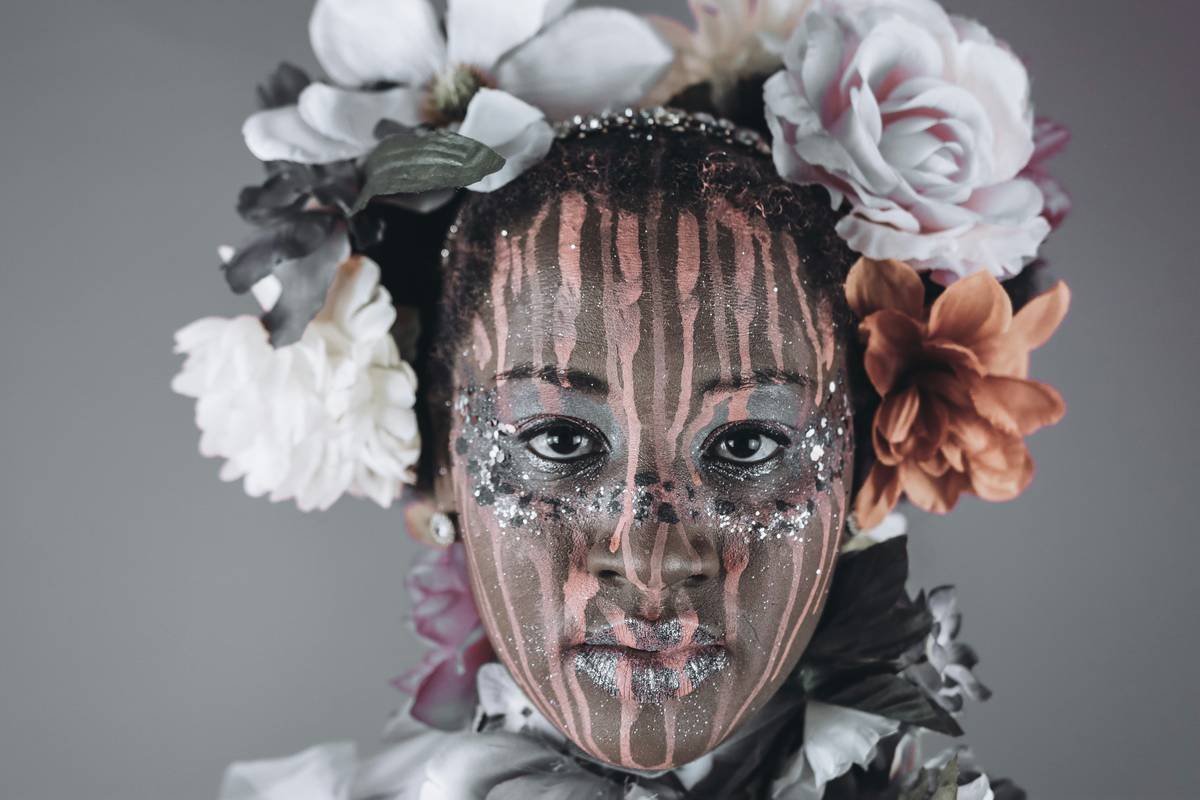
Grumpy You: “Great. So I’m supposed to wear thermochromic eyeshadow while grabbing coffee?”
Optimist You: “Actually—yes, if it sparks joy. But start small.”
How to Create Innovative Makeup Styles: A Practical Guide
What Tools Do I Actually Need?
Forget 50-brush kits. For editorial experimentation, you need three things:
- A mixing medium (like Ben Nye Final Seal or Make Up For Ever Mist & Fix) to bind unconventional materials
- Precision applicators—angled brushes, silicone sculpting tools, even toothpicks for micro-details
- Non-toxic, skin-safe pigments (e.g., Viseart NEON palette or EcoStardust bioglitter)
Step 1: Choose Your Concept First, Product Second
Ask: “What emotion or idea am I conveying?” Is it digital fragmentation? Climate grief? Joyful rebellion? Your answer dictates color, texture, and placement—not the other way around.
Step 2: Map Negative Space
Innovative makeup thrives on what you don’t cover. Use a white eyeliner pencil to lightly sketch zones you’ll leave bare. This prevents “overworking” the face—a rookie mistake I made during a 2022 shoot for Nylon. The editor’s note? “Less chaos, more clarity.” Ouch. But true.
Step 3: Layer Textures Strategically
Try this combo: matte base + glossy focal point + gritty accent (like crushed walnut shell mixed with setting spray—used responsibly!). Texture contrast creates depth without extra color.
Pro Tips for Staying Cutting-Edge Without Burning Your Eyebrows Off
Anti-Advice Warning: Never use craft store glitter on skin. Those particles aren’t milled for ocular safety and can cause micro-tears. Seen it happen. Not cute.
- Prime like your canvas depends on it (it does): Use a grippy primer (Urban Decay Optical Illusion or Milk Makeup Hydro Grip) when working with wet formulas or loose pigments.
- Set selectively: Only set areas prone to transfer (under eyes, T-zone). Let glossy or metallic zones breathe.
- Lighting is part of the technique: Test your look under both cool (LED) and warm (tungsten) light. What reads as “molten gold” in daylight might look muddy indoors.
- Rant corner: Why do influencers call every smudged eyeliner “editorial”? Editorial implies intentionality—not accidental raccoon eyes. #PrecisionMatters.
Real-World Examples That Defined 2024’s Editorial Trends
At Seoul Fashion Week 2024, makeup artist Minji Park created a “data stream” look using conductive ink and LED thread—safe, skin-compatible, and powered by a tiny battery pack hidden in the model’s hair. The result? A moving current of light across the cheekbone, captured in Hypebae’s top 10 moments.
Closer to home, Toronto-based MUAs collaborated with Indigenous beadwork artists to develop a limited-run pigment line using natural ochres and plant dyes. The editorial spread in Flare didn’t just showcase makeup—it honored land-based knowledge. Revenue supported clean water initiatives in Northern communities.
These aren’t just pretty pictures. They prove that **innovative makeup styles** are becoming a vehicle for tech integration, cultural dialogue, and ethical practice.
FAQs About Innovative Makeup Styles
Can I do editorial makeup with drugstore products?
Absolutely. NYX, ColourPop, and e.l.f. all offer highly pigmented, mixable formulas. Pro tip: Use their cream blushes as paint bases—blend with a drop of glycerin for fluidity.
Is there such a thing as “too weird” for social media?
Only if it’s unsafe. Platforms reward authenticity. @makeupbyjade grew 40K followers in 3 months by posting “failed” experimental looks with process breakdowns. Vulnerability = relatability.
How do I remove unconventional makeup safely?
Oil-based cleanser first (even for glitter), then micellar water. Never scrub. If you used adhesives, try a medical-grade adhesive remover like Smith & Nephew Nair.
Are bio-glitters really better?
Yes—but verify certifications. Look for “OK Biodegradable WATER” or “TÜV Austria” labels. Brands like EcoStardust and Today Glitter meet these standards.
Conclusion
Innovative makeup styles aren’t about chasing trends—they’re about speaking visually in a language that’s uniquely yours. Whether you’re using temperature-sensitive pigment or reinterpreting ancestral color rituals, your brush is a tool for expression, not just enhancement.
Start with one bold choice. Respect your canvas (skin). Prioritize safety without sacrificing creativity. And remember: the most groundbreaking editorial looks began as someone’s “what if?” moment in their bathroom mirror.
Now go make art—not just makeup.
Haiku for your journey:
Chrome tears on sunburnt cheeks,
Bio-glitter whispers truth,
Mirror holds no limits.