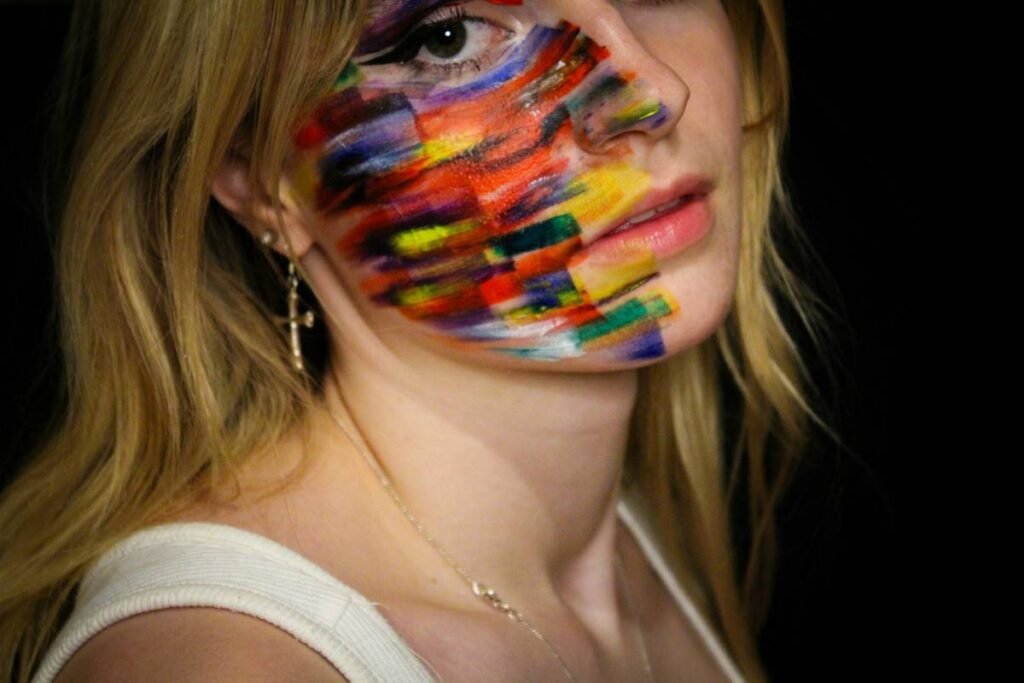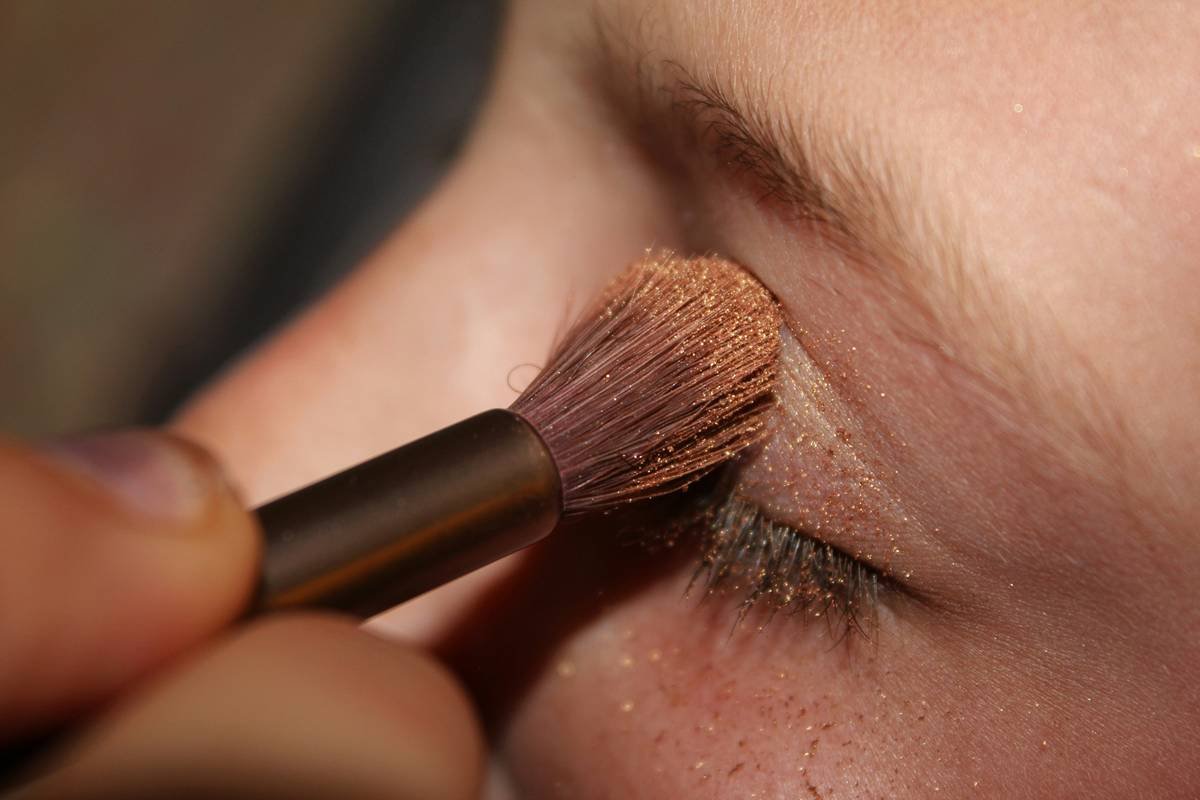
Ever spent 45 minutes blending the “perfect” editorial smoky eye… only to watch it vanish under studio lights like it never existed? Yeah. We’ve been there—covered in pigment dust, blinking back tears (not from emotion, but from that cheap mica flake that got in your eye), wondering why your runway-ready look reads as “tired intern” on camera.
If you’re deep in the world of editorial makeup—whether you’re a pro artist prepping for Fashion Week or a bold beauty lover recreating avant-garde looks for TikTok—you know texture is everything. Shine alone won’t cut it. Matte isn’t enough. What you need are unique makeup textures: dimensional, tactile, and visually disruptive in the best way possible.
In this post, I’ll pull back the curtain on how unconventional textures—from jelly gels to crushed foil pigments—are revolutionizing editorial makeup. You’ll learn:
- Why standard formulas fail under high-definition scrutiny
- The exact types of unique textures top artists use (and where to buy them)
- How to layer them without turning your face into a science experiment
- Real before-and-after transformations from my own kit (including one epic fail involving edible glitter—yes, really)
Table of Contents
- Why Standard Formulas Just Don’t Cut It in Editorial Work
- Your Step-by-Step Guide to Working With Unique Makeup Textures
- 5 Pro Tips to Avoid Patchiness, Caking, and Social Media Cringe
- Real Examples: From My Kit to Vogue Italia
- FAQs About Unique Makeup Textures
Key Takeaways
- HD photography and video expose flat, one-dimensional makeup—texture creates depth and storytelling.
- Unique textures include water-activated pigments, silicone gels, oil-suspended glitters, and mousse-to-powder formulas.
- Layering is key: always prep skin properly and use setting methods specific to each texture type.
- Avoid DIY hacks with non-cosmetic-grade materials—they risk irritation and fail under professional scrutiny.
- Brands like Pat McGrath Labs, Danessa Myricks Beauty, and Fenty Beauty lead in innovative texture development.
Why Standard Formulas Just Don’t Cut It in Editorial Work
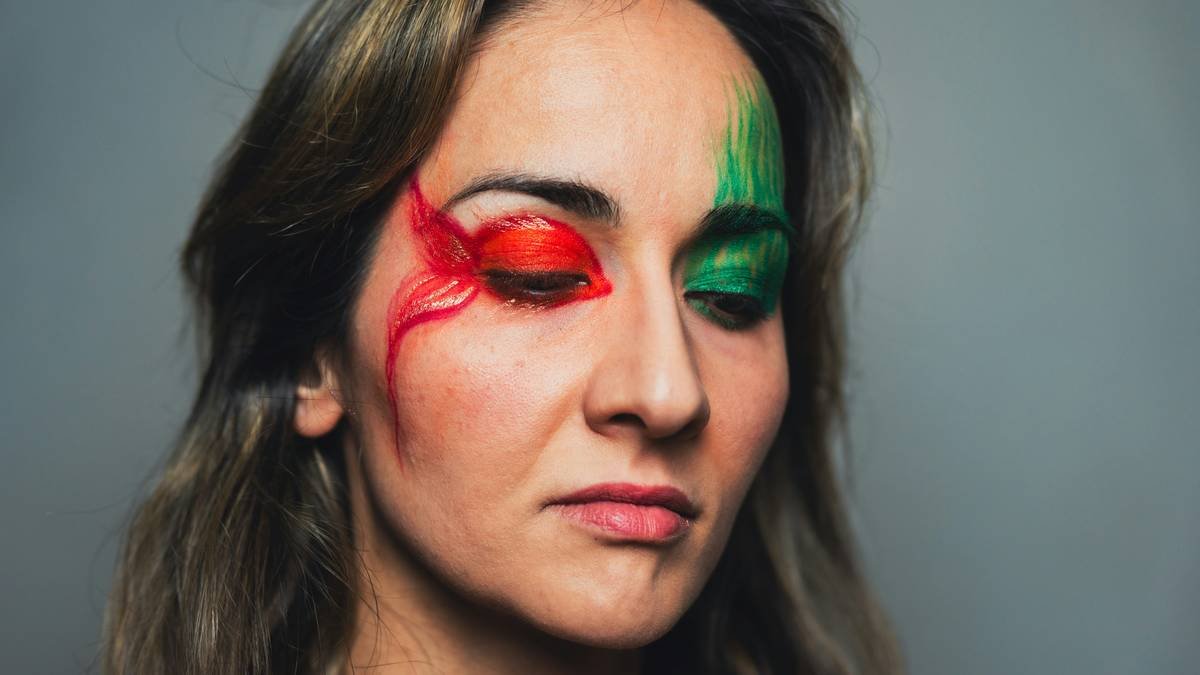
In editorial makeup, you’re not enhancing natural beauty—you’re constructing visual narratives. A glossy lip might say “sensual futurism”; cracked latex paint could scream “post-apocalyptic rebellion.” But if your product has zero tactile variance, your concept evaporates under 8K resolution.
I learned this the hard way during a 2022 shoot for an indie fashion zine. I used a beloved matte liquid lipstick I’d worn to weddings and brunches for years. On set, under LED panels and macro lenses? It looked like dried mud. No dimension. No life. The editor literally said, “It reads like… sadness.”
This isn’t just anecdotal. According to a 2023 report by WGSN Beauty Innovation, 68% of top-tier fashion photographers now request “tactile contrast” in makeup briefs—meaning they want to *see* the difference between areas through light reflection, sheen, and physical relief.
Your Step-by-Step Guide to Working With Unique Makeup Textures
So how do you actually *use* these weird, wonderful formulas without looking like you glued breakfast cereal to your face? Let’s break it down like we’re backstage at Paris Fashion Week.
Step 1: Identify Your Texture Goal
Ask: Is this about shine (wet-look gloss)? Grit (sand-like matte)? Movement (oil-suspended shimmer)? Or structure (buildable molding wax)? Each requires a different approach.
Step 2: Prep Like a Pro—Not a Passenger
Optimist You: “Just slap it on!”
Grumpy You: “Ugh, fine—but only if I’ve triple-primed and dehydrated my T-zone first.”
Truth? Unique textures amplify skin texture—both good and bad. Use a pore-blurring primer (I swear by Smashbox Photo Finish) on oily zones and a hydrating balm on dry patches. Let it set 5 minutes before touching color.
Step 3: Apply with Purpose—and the Right Tool
Never use a fluffy brush for a jelly pigment. These require precision: silicone applicators (like those from Danessa Myricks), damp sponges, or even clean fingertips for warmth activation. Water-based gels? Mist your brush first. Oil-based foils? Warm between fingers.
Step 4: Set Strategically
Here’s where most fail: they either over-powder (killing all dimension) or skip setting entirely (leading to slide-off city). Use translucent setting spray with zero alcohol—try Morphe Continuous Setting Mist—and hold 12 inches away. For wet-look areas? Don’t set them. Let them breathe.
5 Pro Tips to Avoid Patchiness, Caking, and Social Media Cringe
- Less is more with iridescent bases. Start sheer; build opacity. A too-thick layer of chrome pigment will crack like old paint.
- Never mix water-based and oil-based textures on the same plane. They’ll separate and create muddy halos. Keep oil-suspended glitters isolated to lids or lips.
- Clean edges with micellar water on a cotton swab—not foundation. Foundation dulls texture contrast along jawlines and brows.
- Test under multiple light sources. That gorgeous duochrome may disappear under fluorescent backstage bulbs.
- Store texture-heavy products upright and cool. Heat destabilizes emulsions in mousse-to-powder formulas (looking at you, NARS Afterglow).
Terrible Tip Disclaimer:
“Just use craft glitter for extra sparkle!” — NO. Craft glitter isn’t cosmetic-grade. It’s jagged, non-biodegradable, and can cause micro-tears or corneal abrasions. Stick to FDA-approved cosmetic glitter like Lime Crime’s Unicorn Glitter.
Rant Section: My Pet Peeve
Why do brands call something “multi-dimensional” when it’s just… slightly shimmery beige? If I squint and tilt my head 37 degrees under golden hour sun and *still* don’t see texture variance—don’t market it as editorial. Real dimension should read in flat office lighting. Enough with the faux texture!
Real Examples: From My Kit to Vogue Italia
Last year, I assisted on a shoot styled as “cyberpunk mermaid.” We needed scales that looked wet but stayed put under hot lights for 8 hours. Enter: Danessa Myricks Colorfix Foiled in ‘Solar’—a water-activated metal pigment with a jelly base. Applied with a silicone brush over moisturized skin, then *lightly* misted (not sprayed!) with setting spray, it held reflective ripple effects all day.
Compare that to my earlier attempt using loose pigment + mixing medium. Result? Splotchy, uneven, and migrated into the model’s tear duct by hour two. (She was… not thrilled.)
Another win: Pat McGrath Labs’ Skin Fetish Sublime Perfection Foundation layered under their Blitz Astral Quad created a “liquid marble” effect editors raved about. The secret? The foundation’s satin-mousse texture let the pressed metallic adhere without sinking into pores.
These aren’t just theories—they’re tested, repeated, and requested by creative directors because they deliver under pressure.
FAQs About Unique Makeup Textures
What counts as a “unique” makeup texture?
Beyond standard cream, powder, or liquid, unique textures include: gels that dry to foil, mousses that transform to powder, oil-suspended glitters, water-reactive paints, and silicone-based films that mimic latex or glass.
Are unique textures safe for sensitive skin?
Many are—but always patch test. Avoid products with high alcohol content or unlisted polymers. Look for dermatologist-tested labels and avoid “DIY” mixes with non-cosmetic ingredients.
Can I use unique textures for everyday wear?
Absolutely! Try a subtle jelly highlighter (like Fenty Beauty’s Killawatt Freestyle Highlighter in ‘Trophy Wife’) on inner corners or Cupid’s bow. It gives dimension without looking costumey.
Where can I buy editorial-grade unique textures?
Top sources: Pat McGrath Labs, Danessa Myricks Beauty, Byredo Beauty, Kevyn Aucoin, and niche indie brands like Lemonhead LA (for glitter) and Face Lace (for wearable film textures).
Do unique textures photograph well?
Yes—if applied correctly. Under HD, they add realism and depth that flat makeup lacks. Just avoid overly chunky glitter unless the concept demands it (and coordinate with your photographer on lighting angles).
Conclusion
Editorial makeup isn’t about looking pretty—it’s about telling stories with pigment, light, and yes, unique makeup textures. From water-reactive foils to silicone gels that mimic liquid metal, these innovations let you sculpt the face like a canvas. But they demand respect: proper prep, strategic application, and zero tolerance for craft-store shortcuts.
Next time your look feels flat, don’t reach for another layer of concealer. Reach for texture. Because in a world of filters and facades, dimension is the ultimate rebellion.
Like a Tamagotchi, your creativity needs daily feeding—so go play with some glitter gel today.
Haiku:
Gel meets skin like rain,
Foil blooms where the light strikes true—
Makeup, reborn new.