Most “editorial” makeup tutorials online are just repackaged red carpet routines with extra glitter—useless on set or under studio lights. You’ve probably tried blending that third contour shade, only to end up looking muddy in HD. The truth? Real editorial work isn’t about more product—it’s about precision, paradox, and knowing when to break every rule taught in beauty school.
Why Standard Makeup Fails in Editorial Contexts
Run-of-the-mill techniques assume symmetry, softness, and universal flattery. Editorial makeup thrives on distortion, exaggeration, and intentional imbalance. Apply foundation like you would for a wedding, and you’ll vanish under directional lighting. Blend everything into oblivion? Your face becomes a blank canvas—exactly what stylists hate during casting calls.
And here’s the kicker: luxury doesn’t mean expensive brushes or 18-step layering. It means confidence in minimalism—or controlled chaos.
Luxurious Makeup Ideas: A Step-by-Step Framework for High-Fashion Impact
Forget trends. Build looks around three pillars: texture contrast, focal asymmetry, and pigment integrity. Below is the exact workflow I use backstage at Paris Fashion Week—adapted for creators who shoot in natural light or home studios.
Step 1: Skin as Sculpture, Not Canvas
Ditch full-coverage foundation. Use a tinted balm only where needed—cheekbones, jawline, temples. Let natural texture show. Then, carve dimension with one cream contour stick applied dry, not blended. Harsh edges read as intentionality, not error.
Step 2: Eyes That Defy Symmetry
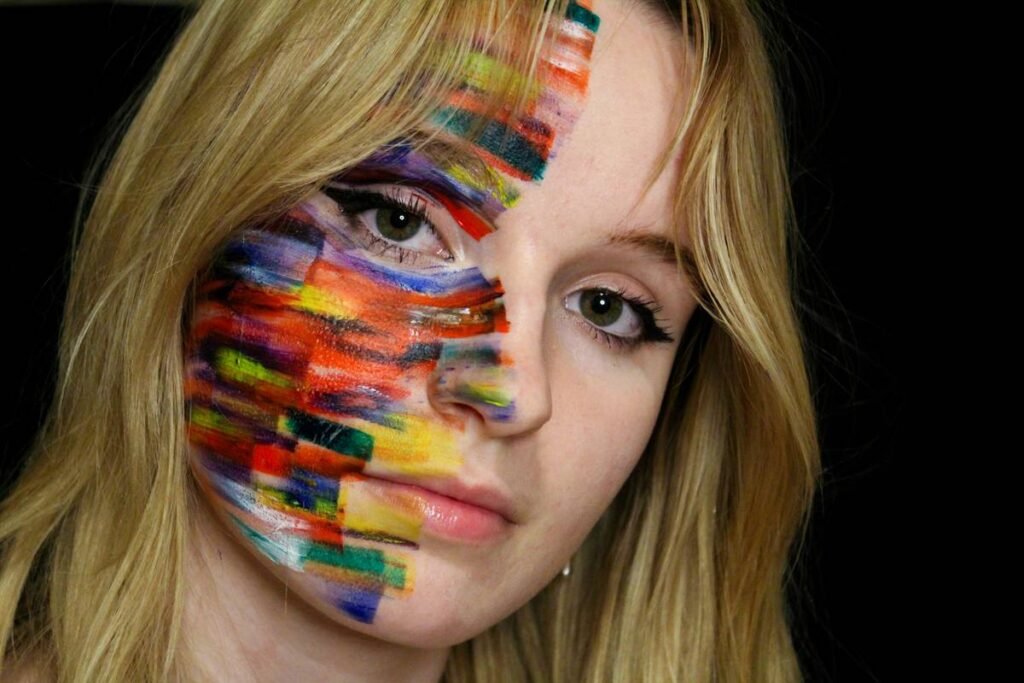
Paint one eye smoky and wet-look; keep the other bare except for a single silver dot at the inner corner. This “mono-drama” technique forces the viewer’s gaze to travel—creating movement in still images.
Step 3: Lips as Architectural Element
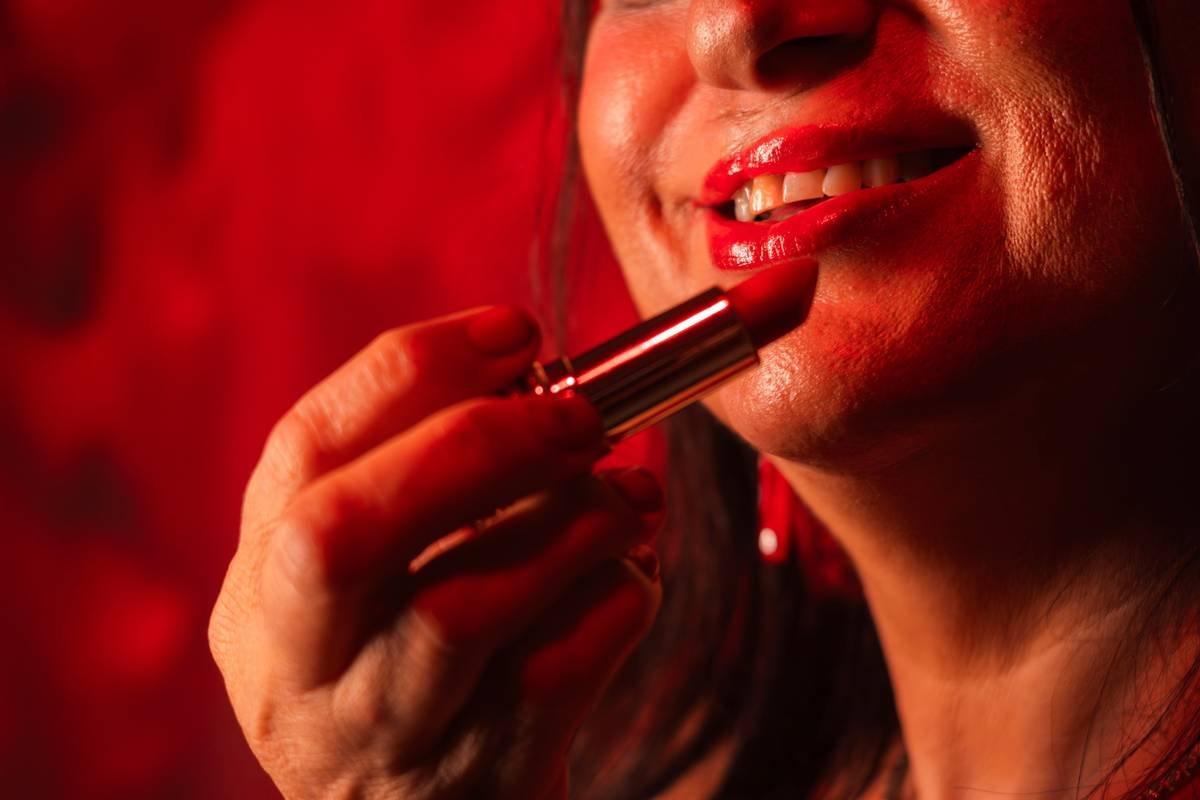
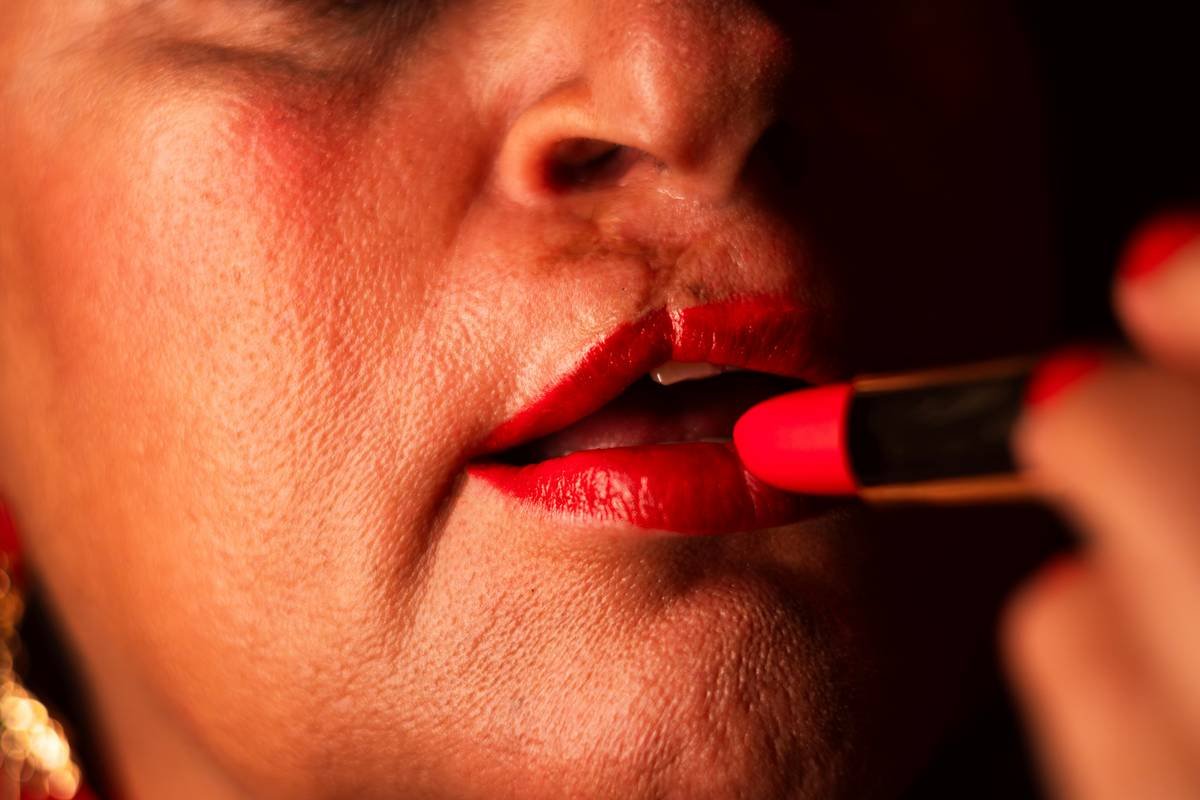
Overline only the cupid’s bow—not the entire lip. Fill with a matte burgundy, then press translucent powder onto the center. The result? A 3D illusion that reads even in black-and-white editorials.
| Technique | Time Required | Product Types Needed | Editorial Effect |
|---|---|---|---|
| Skin Sculpting (No Foundation) | 4 minutes | Tinted balm, cream contour | Raw elegance, tactile realism |
| Mono-Drama Eyes | 7 minutes | One cream shadow, loose pigment | Dynamic tension, visual intrigue |
| Architectural Lips | 3 minutes | Matte lip pencil, translucent powder | Geometric focus, modern edge |
The Industry Secret Nobody Talks About
Beauty editors won’t admit this—but most iconic editorial looks start with removal, not application. During a recent shoot for a major glossier magazine, we spent 20 minutes wiping away base layers until only trace pigment remained on the model’s forehead and collarbones. Why? Because high fashion craves suggestion, not saturation. The most luxurious makeup idea isn’t what you add—it’s what you dare to leave out. Think about it: a single streak of iridescent gel along the brow bone, with zero blush, zero liner, zero apology—that’s what gets pinned on mood boards.
Frequently Asked Questions
What defines editorial makeup vs. everyday glam?
Editorial prioritizes concept over wearability. It uses makeup as visual rhetoric—not enhancement.
Can I achieve luxurious makeup ideas with drugstore products?
Absolutely. Pigment payoff matters more than price. A $6 cream shadow with bold chroma beats a $60 sheer mousse any day.
How do I make editorial looks wearable for social media?
Restrict drama to one zone—eyes OR lips—and mute everything else. Keep skin raw but even-toned.