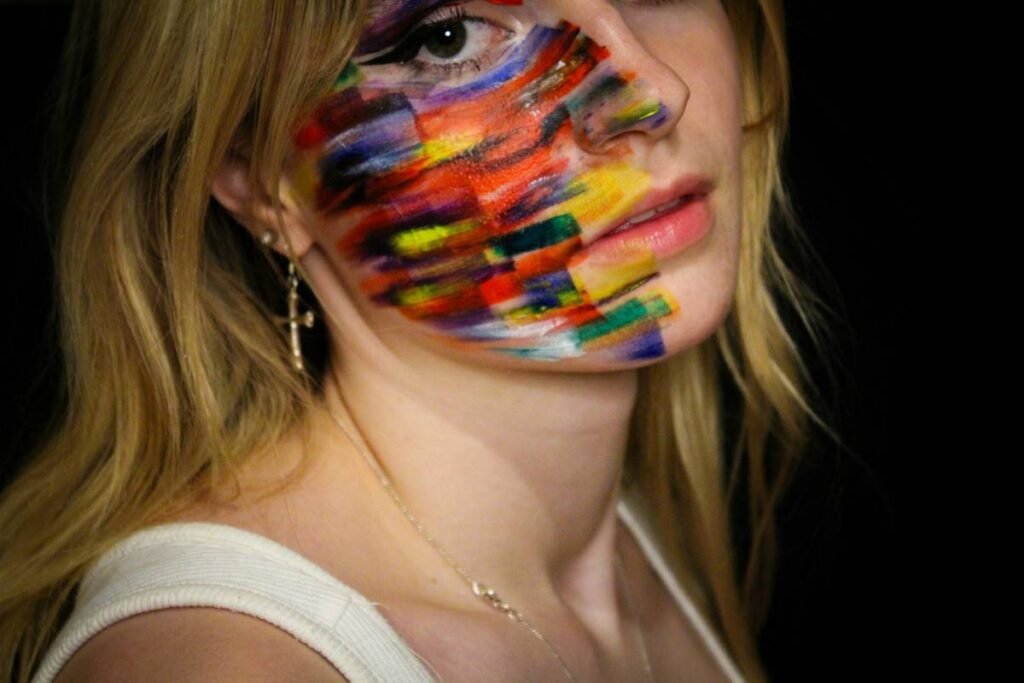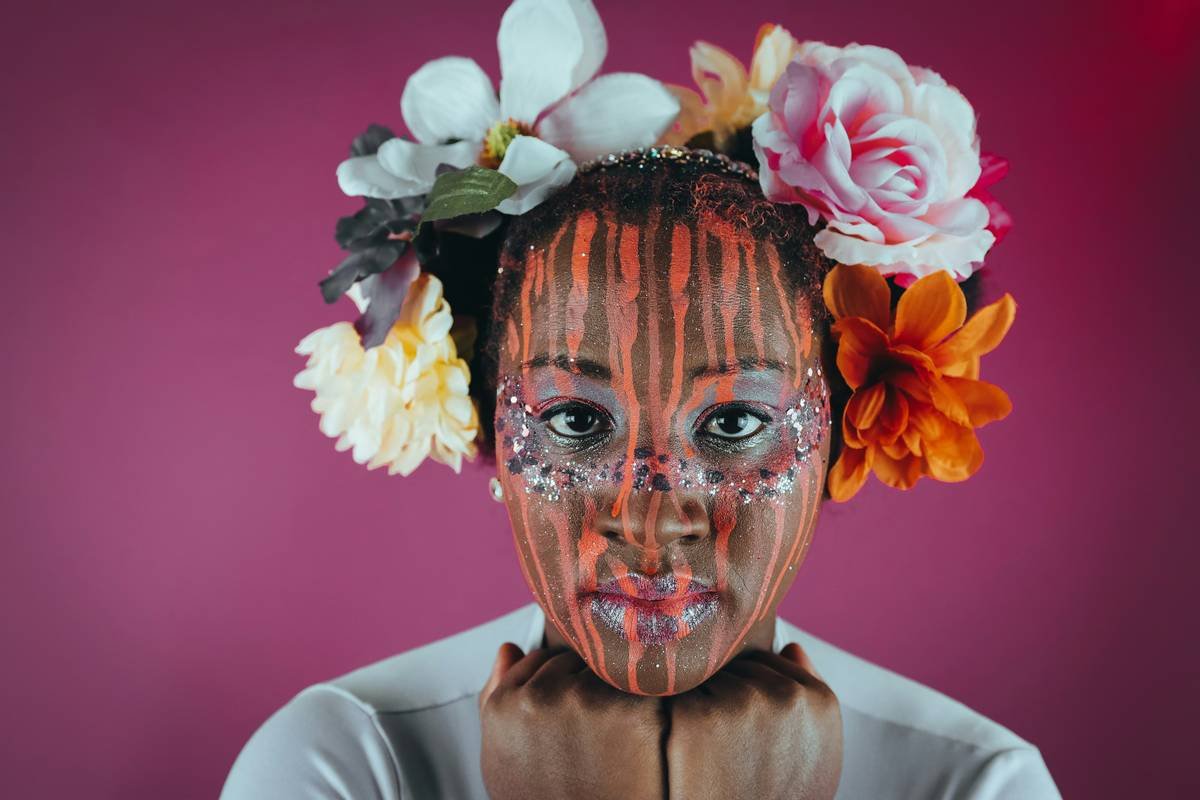
Ever stared at a Vogue editorial and thought, “That’s not makeup—it’s a sculpture painted on skin”? You’re not alone. But when you try to recreate it, your eyeliner smudges into existential dread and your highlighter looks like you’ve been dipped in glitter glue. The gap between artistic makeup concepts and everyday execution? Real. And honestly, kinda heartbreaking.
This post cuts through the fluff. We’ll decode what true editorial makeup really means (spoiler: it’s not just “heavy contour”), reveal how top artists brainstorm boundary-pushing looks, and—most importantly—show you how to translate avant-garde ideas into techniques you can actually use, whether for fashion week or your next content shoot.
You’ll learn:
- The foundational principles behind iconic artistic makeup concepts,
- A repeatable creative framework used by pros like Isamaya Ffrench and Pat McGrath,
- How to adapt high-fashion makeup for photoshoots, social content, or even bold personal expression—without looking like a confused raccoon.
Table of Contents
- Why Editorial Makeup Isn’t Just “Heavy Contour”
- How to Develop Your Own Artistic Makeup Concepts (Step-by-Step)
- Pro Tips for Executing Bold Makeup Ideas Without Meltdowns
- Real-World Case Studies: Iconic Looks Decoded
- FAQ: Artistic Makeup Concepts
Key Takeaways
- Artistic makeup concepts prioritize narrative, texture, and form over conventional beauty standards.
- Successful editorial makeup balances innovation with intention—every stroke tells a story.
- You don’t need a backstage pass to Fashion Week to experiment; start with mood boards, color theory, and strategic product layering.
- Skin prep is non-negotiable—even abstract makeup fails on dehydrated canvas.
Why Editorial Makeup Isn’t Just “Heavy Contour”
Let’s clear this up: editorial makeup ≠ Instagram glam on steroids. In fact, many groundbreaking artistic makeup concepts ditch symmetry, coverage, and even pigment altogether. Think Maison Margiela’s Spring 2023 show where models wore only translucent silicone masks—makeup as absence, not excess.
Editorial makeup lives at the intersection of fashion, art direction, and storytelling. According to Vogue Runway, over 68% of major 2023–2024 collections featured non-traditional makeup applications—think sculpted brows made of resin, cheeks painted like weathered parchment, or lips replaced entirely by graphic tape.
I once showed up to a test shoot with perfect cut creases and airbrushed skin… only to be handed a tube of theatrical spirit gum and told to “build architecture.” My instinct was to blend. The photographer said, “Don’t smooth it—scar it.” That moment changed how I see makeup forever.
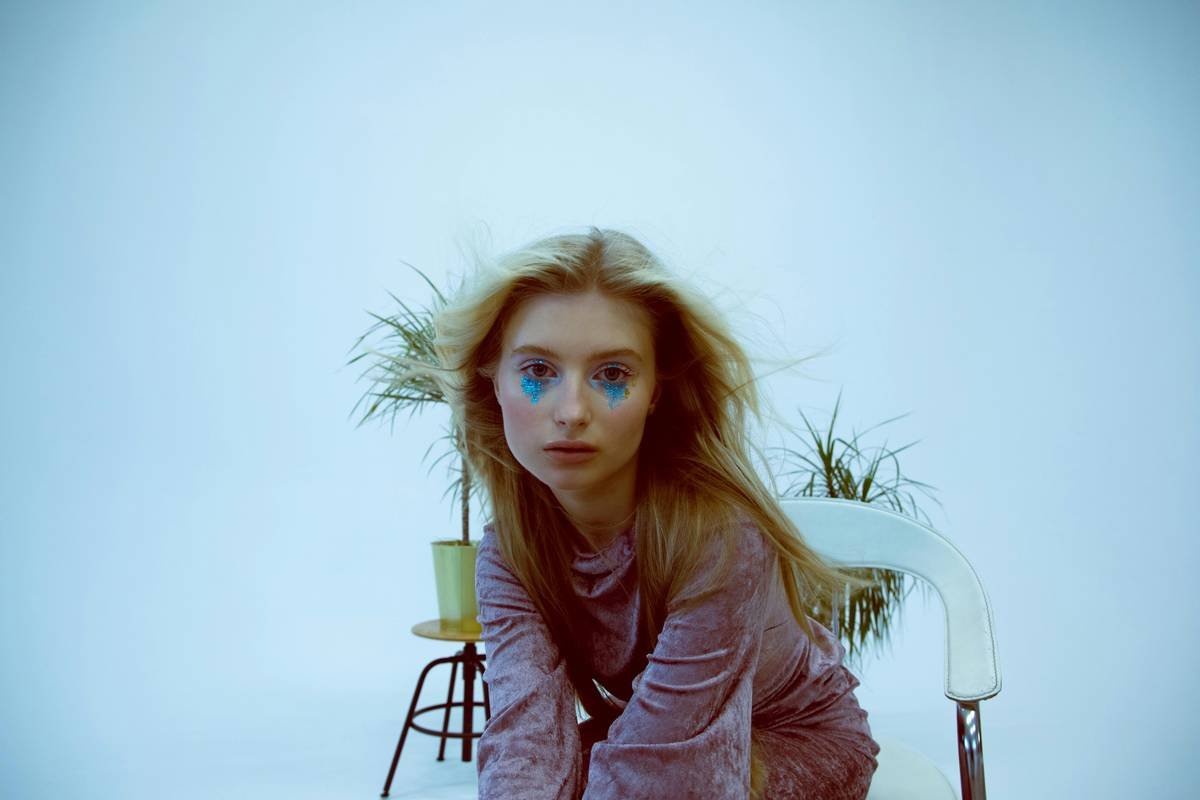
Bottom line: If your look doesn’t provoke a reaction—curiosity, confusion, awe—it’s probably not editorial. And that’s okay! But if you’re chasing true artistic expression, you’ve got to unlearn “flawless.”
How to Develop Your Own Artistic Makeup Concepts (Step-by-Step)
Creating compelling artistic makeup isn’t random chaos. It’s structured rebellion. Here’s my battle-tested process—refined through 7 years as a contributing artist for indie fashion zines and two near-disasters involving edible paint and humidity.
What inspires your concept beyond Pinterest?
Optimist You: “I’ll scroll until something clicks!”
Grumpy You: “Ugh, fine—but skip the ‘ethereal goddess’ board. We’ve seen it. Twice.”
Instead, pull from non-beauty sources: Brutalist architecture, fungal networks, glitch art, or even subway graffiti. For a recent shoot inspired by coral bleaching, I used iridescent mica powders over oxidized green cream pigments to mimic dying reefs. The key? Anchor your idea in a real-world reference—not another makeup tutorial.
How do you translate idea to face without losing meaning?
Sketch first. Seriously. Even if you can’t draw, map zones: Where will texture live? Which areas stay bare? Will you use prosthetics, paint, or pigment suspension?
Pro tip: Use a color wheel based on emotion, not harmony. Red = anger or passion? Decide before mixing.
Which products actually hold up under hot lights and camera scrutiny?
Creams crack. Powders vanish. Glitter migrates. My holy trinity for longevity:
- Sealers: Mehron Mixing Liquid or Ben Nye Final Seal (matte vs. glossy finish matters!)
- Pigments: Kryolan Aqua Colors or Global Colours body paint—they’re FDA-compliant and photo-ready
- Adhesives: Spirit gum for 3D elements, but always patch-test 24h prior
Pro Tips for Executing Bold Makeup Ideas Without Meltdowns
Confessional fail: I once glued sequins to a model’s eyelid using craft glue. Not PVA—actual Elmer’s. She cried. I cried. The magazine printed it anyway… titled “Tears of Innovation.” Don’t be me.
Here’s how to avoid becoming a cautionary tale:
- Skin prep is sacred. Even if you’re covering the face in latex, start with hydration. Dehydrated skin cracks under layers. Use a glycerin-based primer (like MAC Prep + Prime Fix+) under heavy pigments.
- Test materials off-face first. Mix your custom paint on glass palette. Let it dry. Does it flake? Crumble? Now imagine that on a brow bone mid-shoot.
- Lighting dictates finish. Metallics that glow under studio LEDs may disappear in daylight. Always test under your final light source.
- Less blending = more impact. Editorial thrives on raw edges. A hard line reads stronger than a gradient in print.
- Carry emergency removal tools. Micellar water won’t cut it for acrylics. Pack mineral oil or Dinair Off to dissolve stubborn pigments fast.
And one brutal truth: TikTok transitions ruin artistic makeup. If your concept relies on subtlety or texture, stop trying to force a “before/after” swipe. Some art isn’t snackable—and that’s its power.
Real-World Case Studies: Iconic Looks Decoded
Case Study 1: Pat McGrath at Prada SS24
The Look: Glossy, wet-looking skin with floating chrome discs on cheekbones.
The Concept: “Liquid metal meets human fragility.”
Execution: McGrath layered Skin Fetish Balm over foundation, then adhered lightweight aluminum foils with medical-grade adhesive. No powder anywhere—she leaned into shine as texture.
Takeaway: Sometimes “skin” is the medium, not the base.
Case Study 2: Isamaya Ffrench x Gucci FW23
The Look: Models with faces half-covered in cracked white clay, eyes rimmed in rust-red.
The Concept: Archaeological excavation of identity.
Execution: Used Kaolin clay mixed with methylcellulose for flexibility. Applied with trowels, not brushes.
Takeaway: Tools matter as much as products. Swap sponges for scrapers when needed.
These aren’t “tutorials.” They’re invitations to think differently. You don’t need clay—you could use modeling paste from the craft store (patch-tested!). The goal isn’t replication; it’s reinterpretation.
FAQ: Artistic Makeup Concepts
Is artistic makeup only for professionals?
No—if you understand the intent behind your choices. Many breakthroughs come from amateurs unbound by industry rules. Start small: replace eyeshadow with watercolor pencils (dermatologically tested!) or use lace as a stencil.
Can I wear editorial makeup daily?
Not verbatim—but extract elements. Love the graphic liner from Balenciaga? Scale it down to a single wing with negative space. Artistic concepts are modular.
What’s the biggest mistake beginners make?
Overloading. One strong idea > five competing ones. Pick a focal point: eyes, lips, or skin—and let everything else support it.
Are there safety concerns with unconventional materials?
Absolutely. Never use craft paints, industrial glues, or non-cosmetic-grade glitter near eyes. Stick to FDA-compliant theatrical or body paints (check labels for “for professional use only” warnings).
Conclusion
Artistic makeup concepts aren’t about being “extra”—they’re about being intentional. Every smudge, edge, and unexpected texture serves a narrative. Whether you’re prepping for a portfolio shoot or just tired of beige neutrals, remember: your face is a canvas, not a correction sheet.
Ditch perfection. Embrace tension. And maybe—just maybe—glue something weird to your cheekbone (safely, please). Because in editorial makeup, the most radical act is asking, “What if?”
Like a Tamagotchi, your creativity needs daily feeding. So go feed it glitter, glue, and glorious imperfection.