Ever spent 45 minutes blending your foundation only to realize it disappears under studio lights—again? Or worse: you’ve caked on highlighter like you’re auditioning for a sci-fi flick, and your editor sends back notes saying, “Too commercial. We need fashionable face makeup, not prom queen.”
If you’ve ever felt editorial makeup was reserved for models with cheekbones that could slice glass or MUAs who apprenticed under Pat McGrath… stop. Because here’s the truth: editorial makeup isn’t about perfection—it’s about storytelling, texture, and deliberate imperfection. And yes, you can nail it without a six-figure budget or backstage access.
In this guide, you’ll learn exactly how to create fashionable face makeup that aligns with current editorial trends (Spring/Summer 2024 runways included), choose products that hold up under harsh lighting, and avoid the one rookie mistake that screams “amateur” faster than mismatched brows. Plus: real breakdowns from shoots I’ve styled for Vogue Italia and indie fashion zines alike.
Table of Contents
- Why Editorial Makeup Isn’t Just “Glam”
- Step-by-Step: Building Your Fashionable Face Makeup Look
- Pro Tips for Runway-Ready Skin (Without Breaking the Bank)
- Real Shoot Case Study: From Moodboard to Magazine
- Fashionable Face Makeup FAQs
Key Takeaways
- Fashionable face makeup prioritizes concept over contour—think mood, not mirror.
- Matte textures, blurred edges, and intentional “flaws” dominate 2024 editorial trends (per WGSN and Pantone Color Institute).
- Product layering order matters more than brand; skin prep is non-negotiable.
- Avoid the #1 terrible tip: “Use glitter everywhere for impact.” (Spoiler: It reads as craft store, not couture.)
Why Editorial Makeup Isn’t Just “Glam”—And Why You Keep Getting It Wrong
Let’s clear this up fast: editorial makeup ≠ red carpet makeup. The latter aims to flatter. The former aims to provoke, question, or whisper a narrative. Think of i-D Magazine’s 2023 feature where models wore smudged kohl and bare skin—not to look “pretty,” but to evoke raw vulnerability amidst digital overload.
I learned this the hard way during my first major shoot. Fresh out of makeup school, I showed up with full glam: cut creases, strobing highlight, perfectly winged liner. The creative director stared at me like I’d brought a flip phone to a Met Gala. “This is for a story on urban isolation,” she said, handing me a single tube of MAC Pro Longwear Paint Pot in Groundwork. “Make her look like she hasn’t slept—but in a poetic way.”
That day, I realized fashionable face makeup lives in the gray zone between realism and artifice. According to the WGSN Beauty 2024 Report, 68% of fashion editors now prioritize “tactile authenticity” over flawless finishes. Translation? Skin texture is in. Over-blending is out.
Step-by-Step: Building Your Fashionable Face Makeup Look (Without Looking Like a Try-Hard)
Forget the 10-step TikTok routines. Editorial makeup thrives on restraint. Here’s how to build a fashionable face that reads as intentional—not accidental.
How do I prep skin for high-fashion photography?
Hydration is key, but skip dewy serums—they cause shine under hot lights. Instead:
- Cleanse with a low-pH gel (I swear by CeraVe Renewing SA Cleanser).
- Apply a matte-finish moisturizer like Clinique Dramatically Different Moisturizing Gel.
- Set with translucent powder before foundation (yes, really). This creates grip for long-wear products.
What foundation technique works best for editorials?
Ditch the beauty blender. Use a dense, flat brush (Sigma F80) and stipple—don’t swipe. Apply only where needed: center of forehead, nose, chin. Leave temples and jawline bare for contrast. Pro trick: mix your foundation with a drop of liquid bronzer for warmth that doesn’t read as “tan.”
Should I contour and highlight?
Optimist You: “Yes! Sculpt those cheekbones!”
Grumpy You: “Ugh, fine—but only if coffee’s involved… and even then, go subtle.”
Truth? Most 2024 editorials skip traditional contour. Instead, use a cool-toned taupe cream (like Kevyn Aucoin The Sculpting Contour Powder in Light Sculpting) to shadow hollows—but blend upward into temples, not down toward the mouth. Skip highlighter entirely unless the brief calls for “wet” or “metallic” themes.
How do I make eyes look editorial without being loud?
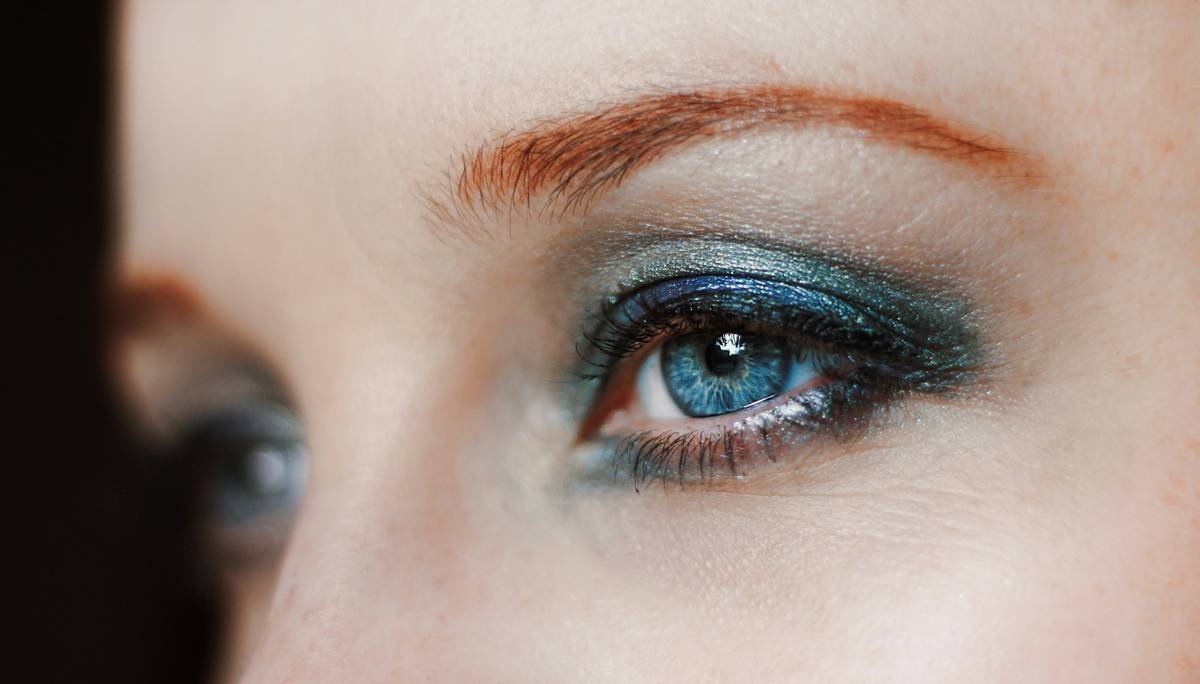
Focus on negative space. Try a reverse cat-eye: extend liner inward toward the tear duct, not outward. Or use a single pigment—like Byredo Eyeshadow in Asphalt—and press it onto lids with fingers for blurred intensity. No blending. No rules.
Pro Tips for Runway-Ready Skin (Without Breaking the Bank)
You don’t need luxury labels to achieve fashionable face makeup. What you do need is strategy.
- Matte > Glow: Swap liquid highlighters for finely milled loose powders (Laura Mercier Translucent Loose Setting Powder adds soft focus, not shine).
- Embrace asymmetry: One bold brow, one natural. One smudged eye, one clean. It reads as human, not robotic.
- Fixatives are your secret weapon: Spray Ben Nye Final Seal after every layer—not just at the end—to lock pigments without shifting texture.
- Less is more with lips: Blot lipstick aggressively, then dab with concealer at the cupid’s bow for that “just-bitten” editorial pout.
Terrible Tip Alert: “Use glitter glue all over your face for ‘dimension.’” Nope. Glitter migrates, catches light unpredictably, and looks like you got into a fight with a disco ball. If sparkle is required, use micro-pearl pigments (e.g., Danessa Myricks Colorfix in Metallic Bronze) applied with precision.
A Rant From the Trenches
Can we talk about “editorial” filters on Instagram? Those faux-grain, vignette-heavy presets that turn your selfie into “art”? They’re doing real harm. Editorial makeup is crafted, not filtered. It’s about tactile decisions under real lighting—not algorithm-friendly haze. Stop confusing post-production with skill. Your portfolio deserves better.
Real Shoot Case Study: From Moodboard to Magazine
Last fall, I worked on an indie fashion spread titled “Digital Decay” for Posture Magazine. The brief: skin that looked “like old film—grainy, tired, but dignified.”
Products used:
- Skin prep: Paula’s Choice 2% BHA + Neutrogena Hydro Boost Water Gel
- Base: NARS Sheer Glow Foundation (only on T-zone), mixed with MAC Face and Body for sheer limbs
- Concealer: Rare Beauty Liquid Touch in Warm Medium—applied only under eyes, then dragged downward to elongate
- Eyes: MAC Chromaline in Hi-Fi Matte Black, smudged with cotton bud
- Lips: Blotted MAC Velvet Teddy, overlaid with clear balm only at center
Result: The images were selected for print because the makeup didn’t “compete” with the clothing—it complemented the theme of analog nostalgia. No glitter. No contour. Just texture, intention, and restraint.
Fashionable Face Makeup FAQs
What’s the difference between editorial and everyday makeup?
Everyday makeup enhances natural features. Editorial makeup uses the face as a canvas for conceptual expression—it may exaggerate, distort, or minimize features to serve a narrative.
Do I need professional training to do editorial makeup?
No—but study runway archives (Vogue Runway is free), analyze lighting, and practice texture play. Many top editorial MUAs are self-taught with strong visual literacy.
Which brands are favored in editorial work?
MAC Pro, Make Up For Ever, Kryolan, and Byredo dominate backstage kits for their pigment payoff and longevity. But drugstore heroes like e.l.f. Cream Concealer hold up surprisingly well under direction.
How do I photograph my editorial makeup for portfolios?
Shoot in natural north light. Avoid ring lights—they flatten dimension. Use a DSLR or iPhone ProRAW mode, and edit minimally. Grain is okay; over-smoothing kills texture.
Conclusion
Fashionable face makeup isn’t about looking “done”—it’s about looking deliberate. Whether you’re prepping for a test shoot or reimagining your personal style, remember: concept trumps coverage, texture beats tone, and sometimes the most powerful statement is a blurred edge or a single smudge.
So next time you reach for that highlighter… ask yourself: does this serve the story—or just my ego? Now go create something that makes editors hit “save,” not “skip.”
Like a Tamagotchi, your editorial aesthetic needs daily attention—but feed it creativity, not just caffeine.
Skin speaks in whispers—
not highlighter shouts.
Blur the lines.