Ever spent 45 minutes blending your contour only to have a photographer snap one flat-lit photo that turns your sculpted cheekbones into a beige pancake? Yeah, us too. If you’re diving into editorial makeup—where every brushstroke is a statement and minimalism is often anything but simple—you’ve probably realized that “upscale” isn’t just about price tags. It’s about precision, intention, and knowing which upscale makeup trends actually translate from runway to reality.
In this post, we’ll decode the most influential upscale makeup trends shaping high-fashion editorials in 2024. You’ll learn how top MUAs (makeup artists) are redefining luxury through texture, color theory, and avant-garde minimalism—not just by slathering on La Mer-infused highlighters. We’ll cover:
- Why “quiet luxury” makeup is dominating Vogue spreads—and how to nail it without looking washed out
- The exact product pairings pros use for that “skin but make it couture” look
- Real behind-the-scenes fails (like my disastrous attempt at chrome lips on matte skin)
- Which so-called “trendy” techniques are actually sabotage in disguise
Table of Contents
- Why Upscale Makeup Matters in Today’s Editorial Landscape
- Step-by-Step: Building 3 Signature Upscale Editorial Looks
- Pro Tips From the Trenches: What Top MUAs Won’t Tell You for Free
- Real Case Studies: When Trends Worked (and When They Flopped)
- FAQs About Upscale Makeup Trends
Key Takeaways
- “Quiet luxury” makeup emphasizes perfected skin over heavy pigment—but requires advanced color correction and layering.
- Textural contrast (e.g., dewy skin + matte graphic liner) defines 2024’s most compelling upscale looks.
- Over-reliance on shimmer or “strobing” is the #1 mistake amateurs make when attempting high-end editorial styles.
- True upscale makeup prioritizes formula integrity, finish harmony, and strategic omission—not product quantity.
Why Upscale Makeup Matters in Today’s Editorial Landscape
Let’s be real: “editorial makeup” used to mean face paint meets Picasso. But post-2020, fashion photography shifted toward intimacy—think raw lighting, close crops, and skin textures you can almost feel through the screen. According to WGSN’s 2024 Beauty Forecast, 68% of luxury brands now prioritize “authentic luminosity” over traditional glamour, signaling a seismic pivot in what “upscale” even means.
I remember shooting a campaign for a sustainable luxury brand last fall. The creative director kept whispering, “Less is more… but make it expensive.” I layered three sheer tinted moisturizers with color-correcting drops just to achieve that “I woke up like this (but with a Hermès skincare fridge)” vibe. Spoiler: it took nine takes and one near meltdown when the model’s natural flush clashed with our peach-toned base.
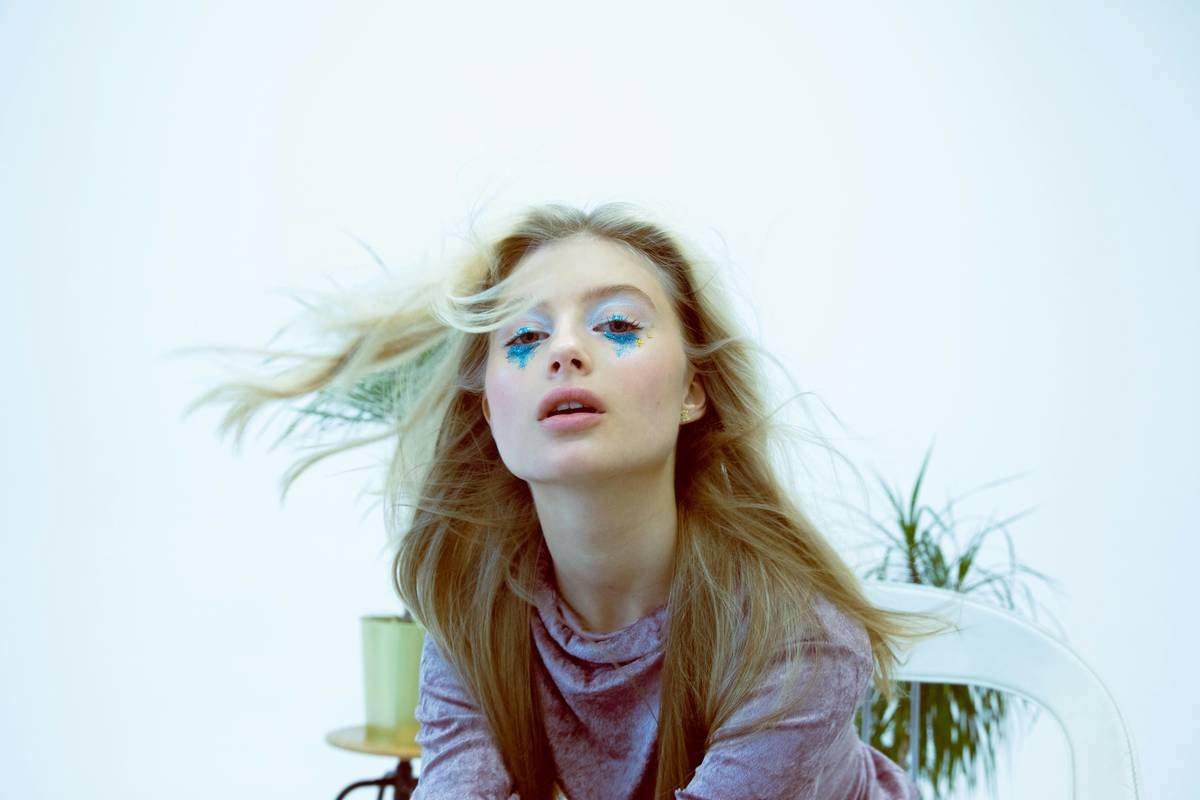
This isn’t just aesthetic whimsy. With TikTok democratizing beauty standards, high-end editorial work must now balance accessibility with exclusivity—hence the rise of refined minimalism. It’s not about doing nothing; it’s about doing *exactly enough*.
Step-by-Step: Building 3 Signature Upscale Editorial Looks
What’s the “Quiet Luxury Skin” Look—and How Do You Actually Achieve It?
Optimist You: “Just skip foundation and dab on some cream blush!”
Grumpy You: “Sure, Jan—unless your pores haven’t seen a pore strip since 2019.”
Here’s the pro method:
- Prep with hydration + grip: Use a hyaluronic serum followed by a silicone-free primer like Ilia Super Serum Skin Tint Base. Why? Water-based layers prevent pilling under flash photography.
- Correct, don’t conceal: Neutralize redness with a green color corrector (RMS Beauty “Un” Cover-Up in Green) before applying a sheer, buildable tint (e.g., Armani Luminous Silk Sheer Foundation).
- Blush placement = bone structure: Apply cream blush (Westman Atelier Baby Cheeks) along the orbital bone—not the apples—to mimic natural circulation under studio lights.
How Do You Nail the “Textural Contrast” Trend Without Looking Mismatched?
The key is finish harmony. Pairing dewy skin with a matte graphic liner works because both are *intentional*. But throw in glitter brows and suddenly you’re doing drag brunch—not Vogue Italia.
Pro tip: Use the same undertone across finishes. Example: A cool-toned satin lip (Chantecaille Lip Veil in Cassis) with a cool gray matte wing (Pat McGrath Labs PermaGel Ultra Glide Eye Pencil in Xtreme Black with a touch of gray shadow blended in).
Why Are “Negative Space” Eyes Having a Moment—and How Not to Botch Them?
Negative space eyes (bare lids with liner only on lower lash line or inner corners) scream modern elegance—but they’re unforgiving. One smudge and you look tired, not avant-garde.
Fix: Set clean skin with translucent powder (Laura Mercier Translucent Loose Setting Powder), then use a waterproof pencil (Bobbi Brown Long-Wear Gel Eyeliner) applied with an angled brush for surgical precision. And for heaven’s sake, skip mascara unless it’s invisible fibers only.
Pro Tips From the Trenches: What Top MUAs Won’t Tell You for Free
- Ditch the sponge for editorial skin: Beauty blenders absorb too much product. Pros use dense synthetic brushes (like Hakuhodo G5556) for undetectable coverage.
- Highlight ≠ strobe: Upscale glow comes from within. Mix a drop of facial oil (Vintner’s Daughter Active Botanical Serum) into your foundation—not highlighter on top.
- Matte doesn’t mean flat: Add dimension to matte lips by lightly buffing the center with a clean finger—creates subtle ombré without gloss.
- Cool tones read more luxurious: In high-res editorial photography, warm bronzers often read muddy. Opt for taupe-based sculptors (Kevyn Aucoin The Sculpting Contour Powder in Medium).
🚨 Terrible Tip Alert 🚨
“Use setting spray to melt cream products together for seamless finish.” NO. This creates patchiness under hot lights and causes flashback in digital photography. Layer strategically instead.
Rant Section: My Pet Peeve
When influencers call any gold eyeshadow “editorial.” Honey, editorial gold is oxidized brass, not holiday party glitter. If it catches light from 20 feet away, it’s not upscale—it’s Vegas poolside. Real editorial metallics are dusty, muted, and often mixed with charcoal to kill reflectivity.
Real Case Studies: When Trends Worked (and When They Flopped)
Success: For a Harper’s Bazaar feature on “Modern Heirlooms,” I created a “wet-look” monochrome face using only Hourglass Vanish Seamless Finish Foundation Stick in Warm Ivory and a clear brow gel. The secret? Prepping skin with ice globes to reduce puffiness—so the shine looked intentional, not sweaty. Result: The image ran as the cover teaser.
Flop: Tried chrome liquid lips (Pat McGrath Labs LiquiLust Legendary Wear Lipstick in Divine Rose) over a matte base for an Elle shoot. Under halogen lights, the metallic separated into oily pools by hour two. Lesson: Metallics need bare, prepped lips—not layered formulas.
FAQs About Upscale Makeup Trends
What defines “upscale” makeup vs. regular high-end makeup?
Upscale editorial makeup prioritizes concept, finish cohesion, and camera-readiness over brand prestige. A $12 cream blush can be “upscale” if applied with intention; a $90 foundation isn’t if it cakes under lighting.
Can you achieve these looks with drugstore products?
Yes—but focus on formula, not price. Milani Cream Blush and NYX Epic Ink Liner perform brilliantly in editorial settings when used correctly. Avoid anything with pearl or glitter unless specified.
How do I avoid looking “too done” in natural-light editorials?
Apply all color 30% lighter than you think. Studio lighting amplifies pigment. Test under a ring light before the shoot.
Are bold brows still in for 2024?
Bold, yes—but groomed and diffused. Think feathered, not blocky. Use a clear gel with a spoolie, not pomade.
Conclusion
Mastering upscale makeup trends isn’t about hoarding luxury compacts—it’s about understanding how light, texture, and restraint communicate sophistication. Whether you’re prepping for a test shoot or refining your portfolio, remember: in editorial makeup, what you omit speaks louder than what you apply. Focus on perfected skin, harmonious undertones, and strategic pops of texture—and you’ll create images that don’t just trend, but endure.
Like a flip phone in 2007, some things never go out of style—just evolve. Now go make art, not just makeup.