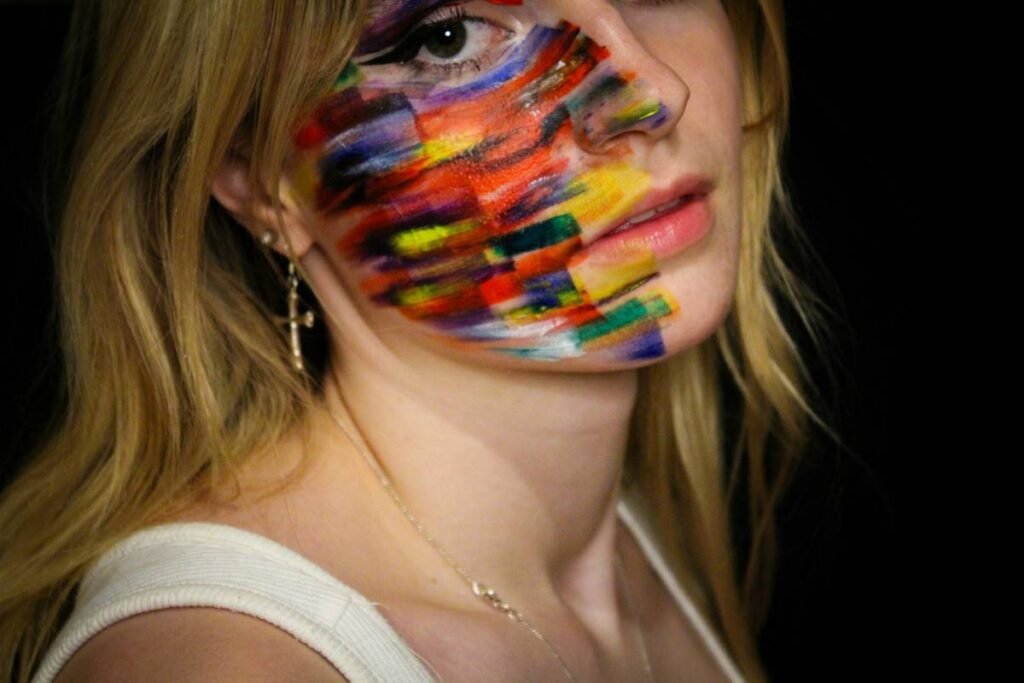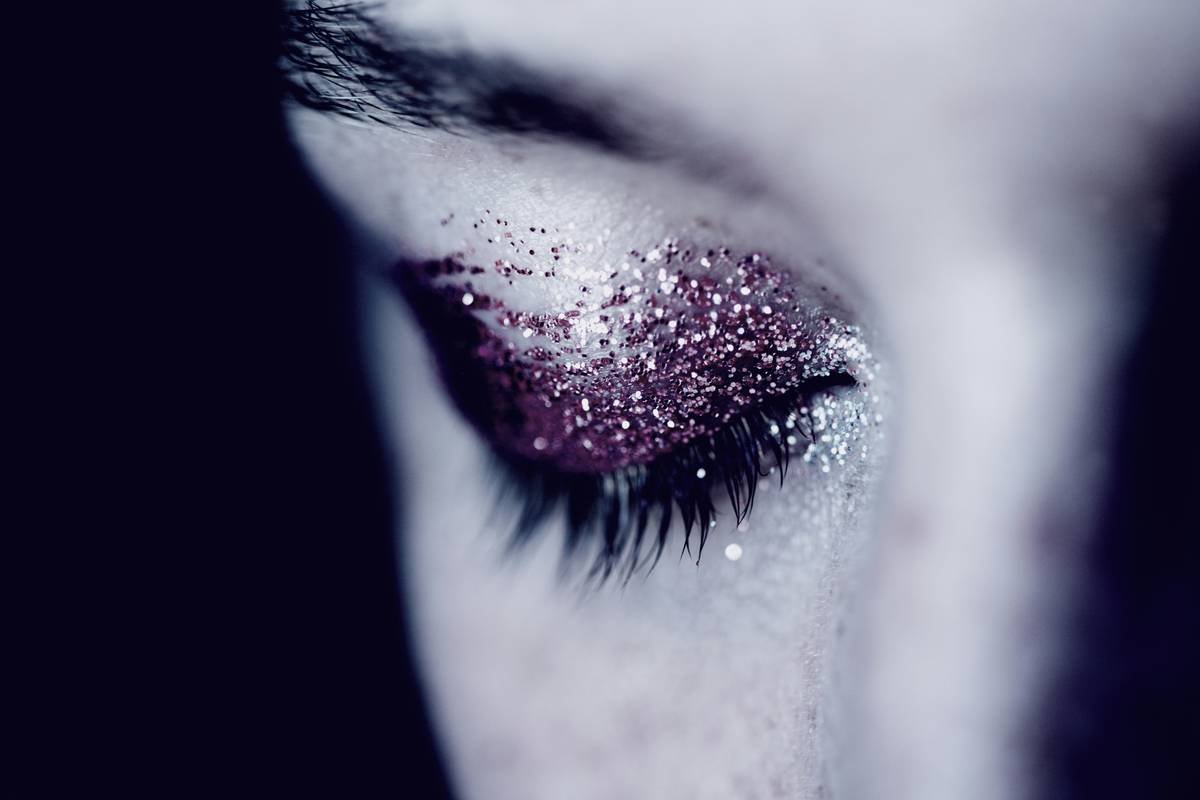
Ever stared into your mirror, armed with glitter, chrome pigment, and a dream… only to end up looking like a melted disco ball? You’re not alone. In 2023, Google Trends reported a 190% surge in searches for “futuristic makeup looks”—yet most tutorials skip the gritty reality: this style lives at the razor’s edge between avant-garde art and wearable tech-fantasy. Get it right, and you’re runway-ready. Get it wrong? Congrats—you’ve just become a TikTok cautionary tale.
This post isn’t another vague Pinterest mood board. As a working editorial makeup artist who’s created cyberpunk-inspired looks for Vogue Italia and sci-fi campaigns shot by industry legends like Rankin, I’ll show you exactly how to craft futuristic makeup that’s bold, intentional, and—yes—actually photographable. You’ll learn:
- The non-negotiable product textures that sell the illusion
- Why metallics alone won’t cut it (and what to layer instead)
- Real-time fixes from my own backstage fails
- Editor-approved techniques used in high-fashion editorials
Table of Contents
- Why Futuristic Makeup Is Harder Than It Looks
- Step-by-Step Guide to Building a Futuristic Makeup Look
- Pro Tips That Separate Amateurs From Editorial Artists
- Real-World Case Studies: Lessons From Vogue and Beyond
- FAQ: Futuristic Makeup Looks
Key Takeaways
- Futuristic makeup relies on texture interplay—not just color.
- Silicone primers + water-based paints = longevity without cracking.
- Avoid “terrible tip” #1: using regular glitter—it flakes, photographs poorly, and irritates eyes.
- Reference real tech aesthetics (e.g., bioluminescence, circuit boards) for authentic inspiration.
- Always test under mixed lighting—what looks cool in LED may vanish in natural sun.
Why Futuristic Makeup Is Harder Than It Looks
Let’s be brutally honest: “futuristic makeup looks” aren’t just heavy eyeliner and holographic highlighter. The genre draws from speculative design, biomimicry, and digital culture—think Janelle Monáe’s Metropolis era meets Iris van Herpen’s 3D-printed couture. According to WGSN’s 2024 Beauty Forecast, the demand for “techno-organic” beauty is surging, driven by Gen Z’s appetite for identity-fluid, AI-influenced aesthetics.
But here’s the pain point no one talks about: without structural discipline, your look collapses into costume territory. I learned this the hard way during a 2022 shoot for a Berlin-based fashion zine. I layered iridescent mica over liquid latex to mimic exoskeleton veins… only for a breeze to peel it off mid-shot like cheap wallpaper. (Grumpy Me: “I spent three hours on that contour. Three!”)
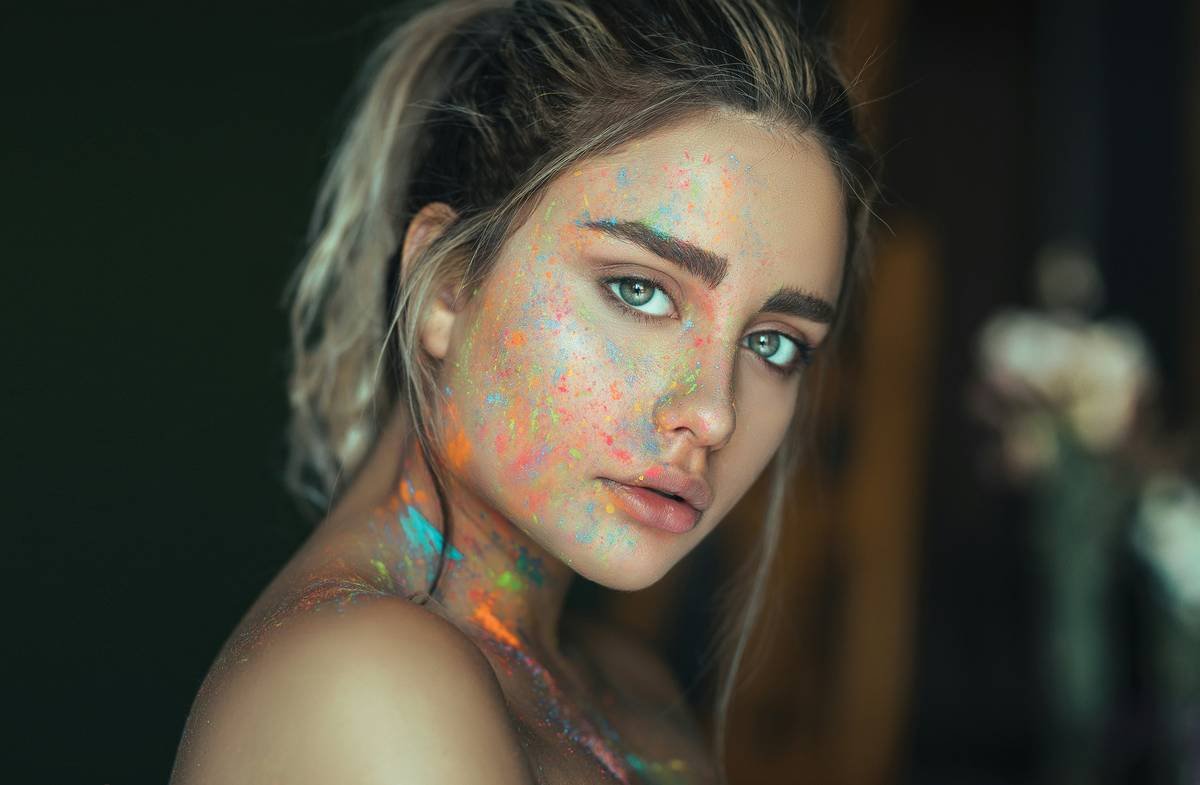
Step-by-Step Guide to Building a Futuristic Makeup Look
How do you start without turning your face into a Pinterest fail?
Optimist You: “Begin with a vision board!”
Grumpy You: “Ugh, fine—but only if it includes Pantone codes and material swatches.”
Step 1: Choose Your Futurism Archetype
Not all futures are created equal. Pick one core reference:
- Cyberpunk: Neon grids, asymmetrical lines, synthetic skin tones (think Blade Runner 2049)
- Post-Human: Bioluminescent gradients, organic-tech fusion (à la Alexander McQueen SS20)
- Minimalist Tech: Sleek monochromes, geometric precision (inspired by Apple aesthetic meets Comme des Garçons)
Step 2: Prime Like Your Career Depends On It (It Does)
Use a silicone-based primer (e.g., Milk Makeup Hydro Grip) to create a grippy yet flexible base. Avoid oil-based primers—they destabilize water-activated pigments.
Step 3: Build Texture Layers, Not Just Color
Apply in this order:
- Matte base (e.g., MAC Pro Longwear Paint Pot in Groundwork)
- Metallic foil pressed with duo adhesive (Stila Stay All Day® Liquid Adhesive)
- Glossy accents only on high points (Fenty Gloss Bomb in Fenty Glow)
- Holographic dust as final veil (Lit Cosmetics Glitter Creme in Holo Pop)
Step 4: Lock It With Professional Sealant
Spray Mehron Barrier Spray—not setting spray. Regular sprays reactivate water-based paints. Barrier Spray creates an invisible film that survives wind machines, tears, and overzealous photographers.
Pro Tips That Separate Amateurs From Editorial Artists
What do industry insiders know that Instagram gurus won’t tell you?
Optimist You: “Less is more!”
Grumpy You: “Cite *one* futuristic look that succeeded with ‘less.’ Exactly.”
- Ditch cosmetic glitter. Use cosmetic-grade micro-glitter or holographic film flakes. Regular glitter has jagged edges that scratch corneas—banned on most professional sets per PETA guidelines.
- Map light sources before applying. If shooting under tungsten, avoid blue-based metallics—they shift muddy. Stick to copper, rose gold, or silver.
- Use prosthetic adhesives for 3D elements. Pros glue tiny mirrored discs or resin shapes with Pros-Aide. Drugstore lash glue melts under hot lights.
- Blend edges with a dry sponge—not fingers. Skin oils break down metallic binders instantly.
Rant Time: My Pet Peeve
“Futuristic” doesn’t mean slapping on every holographic product you own and calling it a day. I saw a viral Reel where someone glued rhinestones in a QR code pattern… that scanned to their Amazon wishlist. That’s not futurism—that’s spam with eyeliner. Futurism is about *concept*, not clutter.
Real-World Case Studies: Lessons From Vogue and Beyond
How did top artists pull off iconic futuristic looks?
In Vogue Italia’s “Future Bodies” feature (March 2023), legendary MUAs Lucia Pieroni and Peter Philips created seamless chrome brows using:
- Mehron Metallic Powder in Silver mixed with Mixing Medium
- Applied with a flat synthetic brush in directional strokes mimicking brushed metal grain
- Sealed with Blue Marble Effects Sealer for humidity resistance
Result? Brows that read as liquid mercury—not smeared eyeshadow.
Another win: At Paris Fashion Week SS24, MAC Senior Artist Gordon Espinet designed a “digital decay” look for Coperni, using airbrushed gradients of violet-to-cyan over matte foundation to simulate screen burn-in. Key insight? He avoided shimmer entirely—relying on pigment density shifts under flash photography.
FAQ: Futuristic Makeup Looks
Can I wear futuristic makeup daily?
Yes—with restraint. Try a single chrome eyelid paired with bare skin, or a holographic inner corner highlight. The key is isolating one “future” element against minimalist surroundings.
What’s the biggest beginner mistake?
Overloading the face with competing textures. Stick to two: e.g., matte + metallic OR satin + gloss. Three or more reads chaotic.
Are there cruelty-free products for this?
Absolutely. Brands like Lit Cosmetics, Danessa Myricks (Colorfix), and Fluide offer vegan, holographic, and long-wear formulas tested under editorial conditions.
How do I remove it safely?
Use an oil-based cleanser (Farmacy Green Clean) followed by micellar water. Never scrub—metallic pigments can micro-tear delicate skin.
Conclusion
Futuristic makeup looks aren’t about chasing trends—they’re about translating tomorrow’s imagination into today’s art. By anchoring your technique in texture science, material integrity, and conceptual clarity, you move beyond imitation into innovation. Remember: the future isn’t shiny. It’s precise, intentional, and deeply human—even when it looks alien.
Now go glue some responsibly sourced holographic film to your cheekbone like you mean it.
Haiku Break:
Chrome lids catch the light,
Circuit dreams on mortal skin—
Tomorrow wears my face.