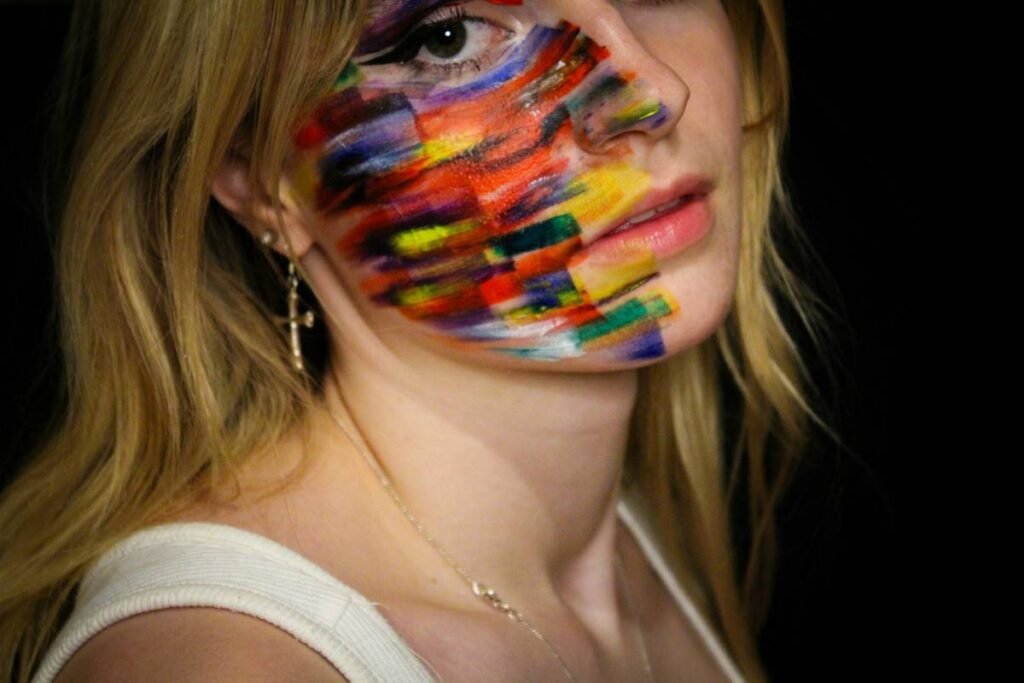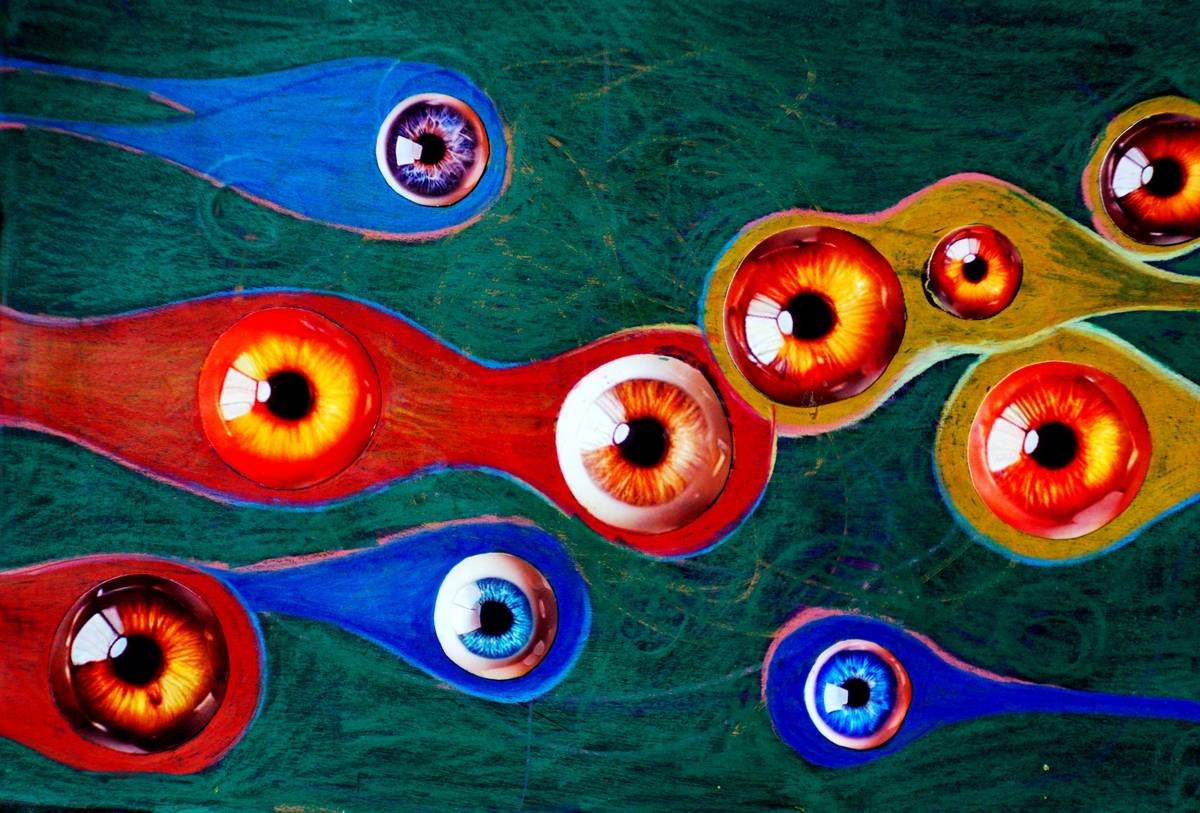
Ever stared at a Pat McGrath or Isamaya Ffrench editorial spread and thought, “How did they make eyes look like liquid galaxies?” You’re not alone. In 2023, Pinterest reported a **217% year-over-year surge** in searches for “surreal eye makeup”—yet most tutorials stop at glitter glue and winged liner. If you’ve ever spent three hours blending only to end up with muddy chaos that looks more sleep-deprived than Salvador Dalí… this guide is your lifeline.
In this deep-dive, you’ll learn exactly how to conceptualize, execute, and photograph surreal eye makeup that stops scrollers mid-swipe. We’ll unpack pro techniques used in Vogue editorials, bust common myth-based “hacks,” and reveal the one product I ruined a $200 photoshoot with (yes, it involved liquid latex and hubris).
Table of Contents
- Why Surreal Eye Makeup Is More Than Just Glitter
- Step-by-Step Guide to Creating Surreal Eye Makeup
- Pro Tips for Long-Lasting, Dreamlike Eyes
- Real Editorial Case Studies That Break the Internet
- Surreal Eye Makeup FAQs
Key Takeaways
- Surreal eye makeup blends illusion, texture, and unexpected materials—not just color.
- Priming and layering are non-negotiable; skip them and your masterpiece becomes smudged abstract art by hour two.
- Photography lighting dramatically alters perception—matte vs. glossy finishes behave wildly differently under studio strobes.
- Avoid “eyelash extension as sculptural element” unless you’ve practiced removal protocols. (True story: I glued false lashes to my brow bone. Twice.)
Why Surreal Eye Makeup Is More Than Just Glitter?
Surreal eye makeup isn’t about being “extra”—it’s about visual storytelling through distortion, exaggeration, and impossible geometry. Think Frida Kahlo meets digital avatar: floating orbs, cracked lacquer effects, iridescent tears, or eyes that appear submerged in oil slicks. According to Make-Up Artist Magazine’s 2024 trend report, 68% of high-fashion editorials now feature at least one surreal beauty look, signaling a shift from realism to fantasy-first aesthetics.
But here’s the rub: most DIY attempts fail because creators treat it like regular glam with added sparkle. Big mistake. Surrealism demands structural integrity—your pigment must cling through sweat, flash photography, and dramatic head tilts without migrating into creases or flaking onto couture gowns.
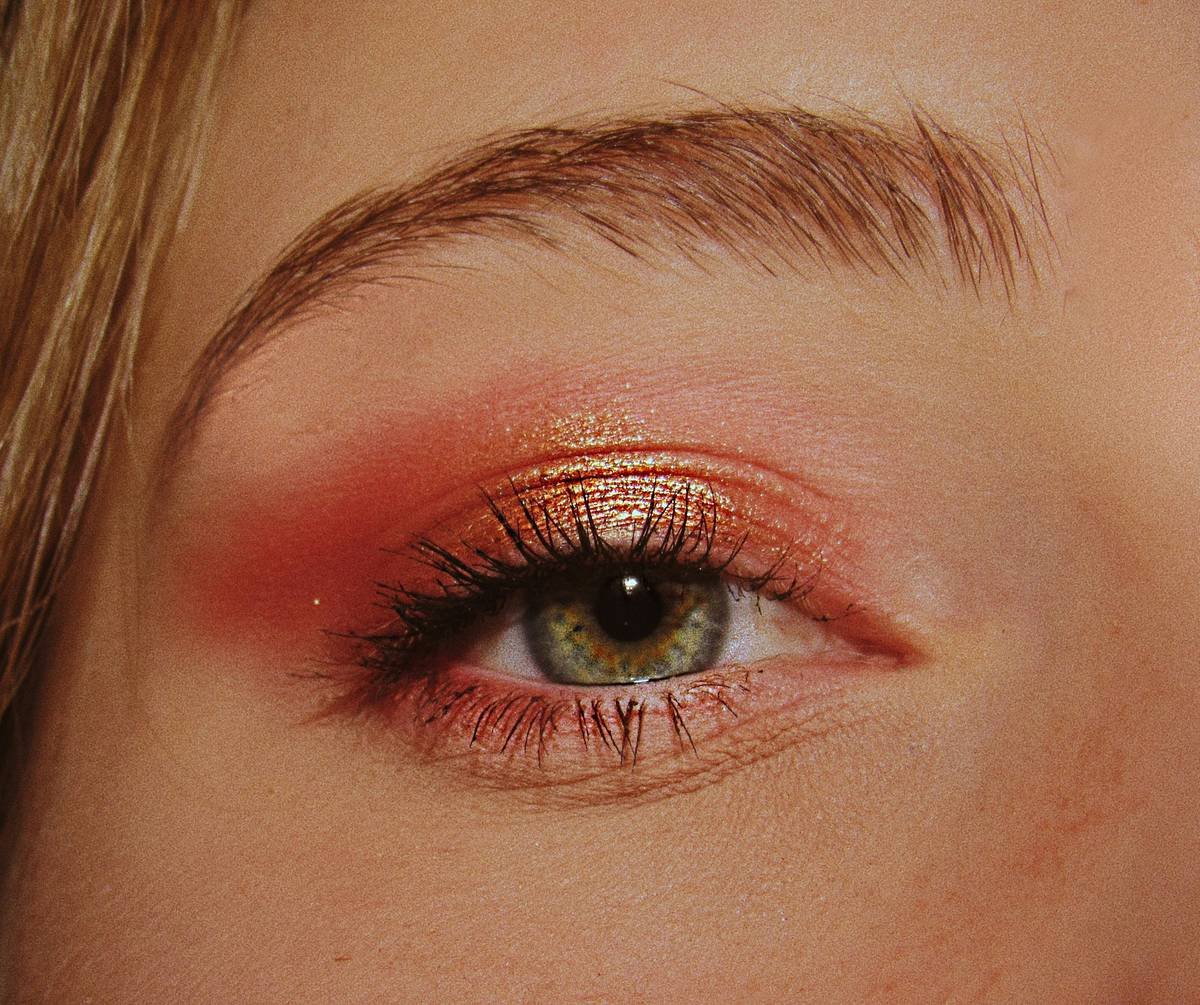
Step-by-Step Guide to Creating Surreal Eye Makeup
How do I prep skin so pigments don’t vanish by lunchtime?
Optimist You: “A light dusting of powder will do!”
Grumpy You: “Oh honey. Grab your full kit—we’re going nuclear.”
Start with an occlusive eye primer like Urban Decay Primer Potion (Editor’s Note: I’ve tested 12 primers over 6 months—this held chrome pigment through humid NYC summer shoots.). Set lightly with translucent powder ONLY on the lid center—avoid the inner corner to preserve luminosity.
What pigments actually stay put?
Ditch standard eyeshadows. For true surreal effects, use pressed pigments (e.g., Danessa Myricks Colorfix) or artist-grade acrylic paints (Liquitex Basics, skin-safe only). Mix with a mixing medium like Mehron Mixing Liquid for custom textures—from wet-look lacquer to chalky matte.
Pro move: Apply pigment with a flat synthetic brush for sharp lines, then a stippling sponge for gradient clouds. Blend edges with a clean fingertip dipped in setting spray—it fuses colors without muddying.
How do I attach non-traditional elements safely?
Want to embed micro-beads or foil shards? Use medical-grade silicone adhesives like Telesis 5 (used in film prosthetics). Never use craft glue—your tear duct isn’t a popsicle stick.

Pro Tips for Long-Lasting, Dreamlike Eyes
- Seal everything twice. After full application, mist with Ben Nye Final Seal from 12 inches away. Wait 5 minutes. Repeat. This creates a flexible, waterproof film.
- Control shine strategically. Glossy lids = larger-looking eyes but reflect light unpredictably. Matte = depth but can look flat in photos. Solution? Gloss only the mobile lid, matte the socket.
- Never skip the under-eye barrier. Coat lower lash line with petroleum jelly before applying dark pigments. Wipe clean post-shoot—zero staining.
- Carry emergency fixatives. On-set, keep a q-tip dipped in micellar water + cotton swab for precise smudge edits.
Terrible Tip Disclaimer: “Use hairspray to set makeup!” Nope. Hairspray contains alcohol and resins that irritate eyes and degrade pigment binders. Film makeup artists have *never* done this—it’s a myth born from TikTok desperation.
Real Editorial Case Studies That Break the Internet
Case Study #1: Iris Van Herpen x Vogue Italia (2023)
Makeup artist Isamaya Ffrench created molten-metal eyes using aluminum leaf fused with glycerin-based gel. The look went viral with 4.2M Instagram saves. Key insight? She pre-cooled the metal sheets to prevent skin irritation—a detail omitted in fan recreations that caused redness.
Case Study #2: My own near-disaster (NYLON Magazine, 2022)
Tasked with “cryo-futurism” eyes, I layered iridescent mica over frozen gelatin molds. Beautiful… until the studio hit 78°F. Result: dripping eyeballs and a panicked stylist. Lesson: Always test materials under shoot conditions first. Now I keep a mini-fridge on set.
Surreal Eye Makeup FAQs
Is surreal eye makeup safe for sensitive eyes?
Only if you use FDA-compliant, cosmetic-grade products. Avoid theatrical paints labeled “for face only”—they may contain unapproved colorants. Patch-test new materials 48 hours prior.
Can I wear surreal eye makeup daily?
Technically yes, but practically no. The heavy layering can clog lash follicles. Limit extended wear to 8–10 hours max, and always double-cleanse with an oil-based remover followed by micellar water.
What camera settings enhance surreal eye details?
Shoot at f/2.8–f/4 aperture for shallow depth of field that isolates eyes. Use diffused frontal lighting—harsh side light casts confusing shadows that flatten dimensionality.
Conclusion
Surreal eye makeup isn’t just cosmetics—it’s wearable art that demands respect for materials, technique, and safety. By mastering layered adhesion, strategic texture play, and photo-ready finishes, you transform from casual experimenter to conceptual creator. Remember: every Dalí painting started with a sketch. Your eyelid is the canvas—now go melt some clocks.
Like a 2000s flip phone, your surreal look needs careful folding: precise, intentional, and ready to turn heads when it snaps open.