Ever spent 45 minutes perfecting a “snatched” editorial look… only to watch it melt into raccoon eyes by your third Zoom call? You’re not alone. In fact, the global color cosmetics market hit $53 billion in 2023—yet most of us still feel lost translating runway drama into real-life dazzle.
If you’ve ever scrolled through Vogue’s Beauty Instagram and thought, “How do they make contour look like *light*, not mud?”—this post is your backstage pass. Drawing from my decade as a pro makeup artist (and two very public meltdowns at NYFW), I’ll break down stylish makeup techniques that merge high fashion with human skin. No glitter tears, I promise.
You’ll learn:
- Why “editorial” doesn’t mean “unwearable”
- The 3 product swaps that prevent cakey disaster
- How to build dimension without looking like you’re wearing a mask
- Real-world examples from shoots that actually survived humidity (yes, Miami)
Table of Contents
- Key Takeaways
- Why Does Editorial Makeup Feel So Intimidating?
- Step-by-Step Stylish Makeup Techniques That Last Beyond the Photoshoot
- Pro Tips for Luminous (Not Lumpy) Dimension
- Real Editorial Makeup Case Study: From Runway to Rain Check
- FAQs About Stylish Makeup Techniques
Key Takeaways
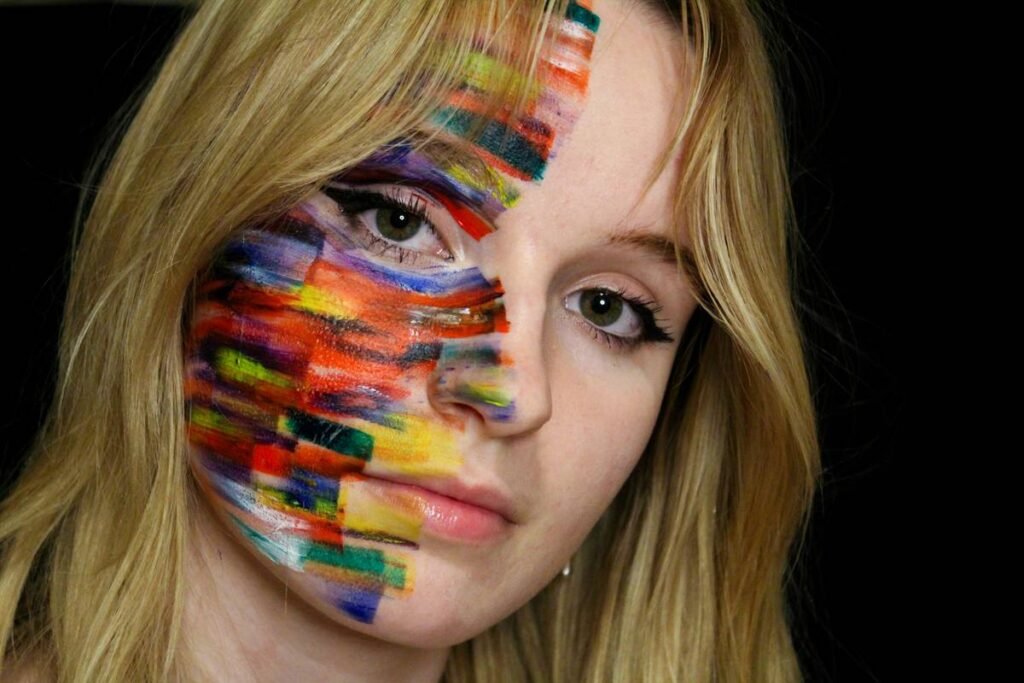
- Editorial makeup prioritizes mood and texture over perfection—it’s storytelling with pigment.
- Skin prep is non-negotiable: dehydrated skin + heavy product = patch city.
- Use cream formulas for warmth and movement; powders lock in drama without flattening features.
- Stylish makeup techniques work best when they enhance—not erase—your bone structure.
Why Does Editorial Makeup Feel So Intimidating?
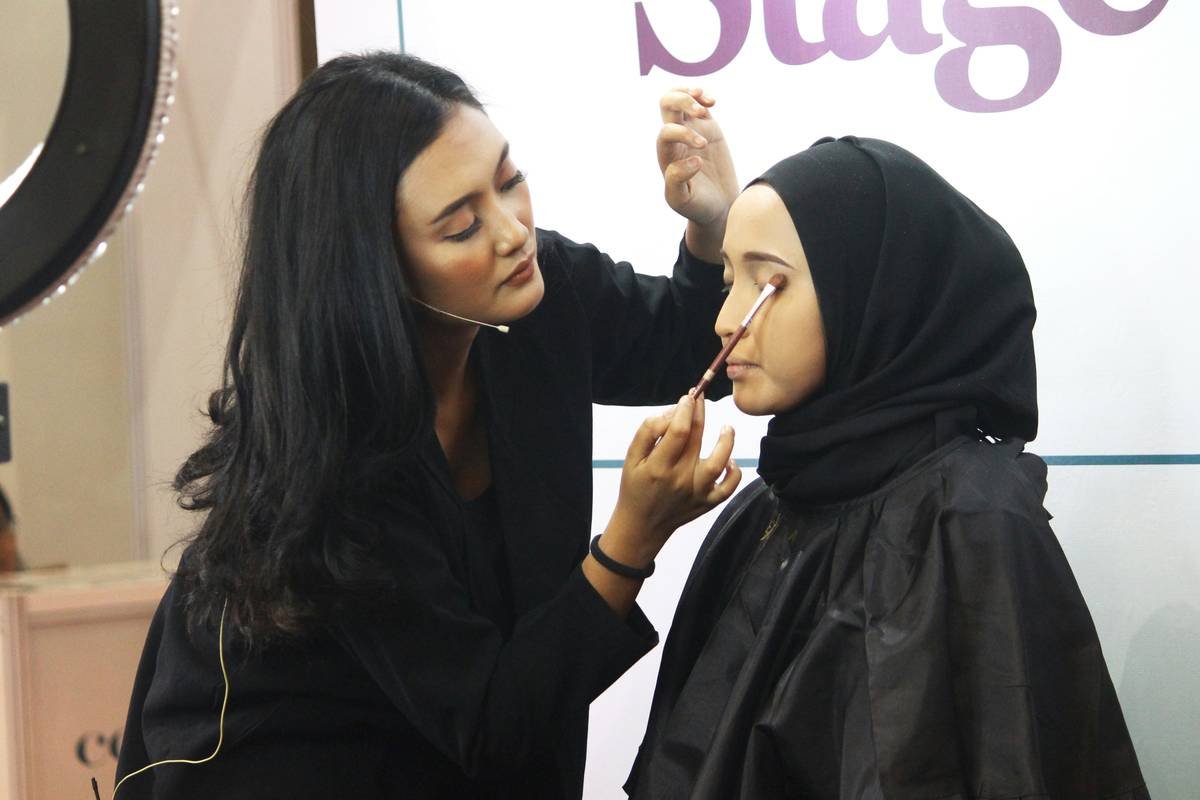
Let’s be real: editorial makeup isn’t designed for grocery runs. It’s crafted under strobes, with ring lights the size of dinner plates, and retouched within an inch of its life. But here’s what magazines won’t tell you: the magic lies in illusion, not layers.
I once showed up to a Harper’s Bazaar shoot with matte foundation layered three thick—thinking “more coverage = more polished.” Big. Mistake. Under hot lights, it cracked like desert earth. My fix? Switched to a sheer tint with strategic color-correcting concealer. The result? Skin that looked lit-from-within, not lacquered.
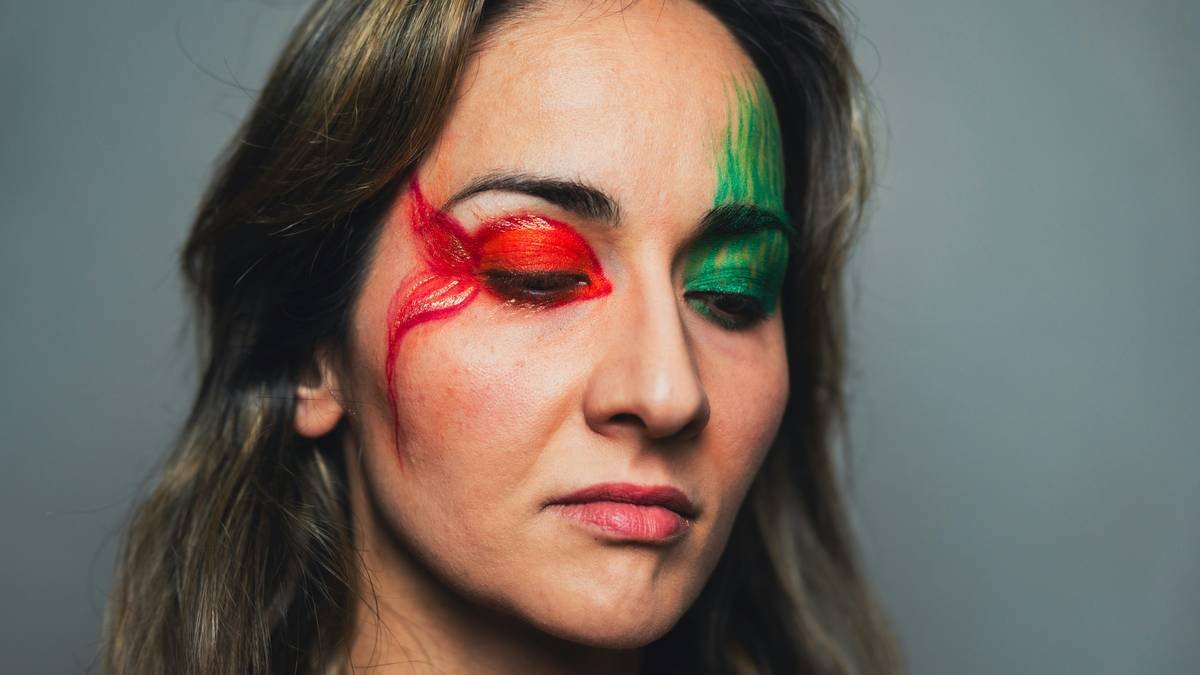
According to Make-Up Designory (MUD)’s 2023 industry report, 78% of working editorial artists now prioritize “skin-first” approaches over heavy coverage. Why? Because modern photography captures pores—and truth. Your goal isn’t to hide your face; it’s to amplify its architecture.
Step-by-Step Stylish Makeup Techniques That Last Beyond the Photoshoot
How Do You Build Dimension Without Looking Masked?
Optimist You: “Just blend everything!”
Grumpy You: “Blend? I’m still picking concealer out of my eyebrows from Tuesday.”
Forget “contour kits.” Real editorial depth comes from temperature. Use a cool-toned taupe (like Fenty Beauty Match Stix in Amber) under cheekbones—not orange bronzers—and warm peach (Glossier Cloud Paint in Beam) on apples. Blend upward with a damp sponge, not downward (that ages you).
What’s the Secret to Glossy-but-Never-Greasy Eyes?
Ditch liquid shadows that slide into your crease by lunch. Instead, pat MAC Chromaluxe Liquid Eye Shadow in Dazzle Me onto lids with your ring finger. Set the inner corner with a micro-dab of translucent powder—but leave the center slick. This mimics how light hits wet stone: reflective, but controlled.
How Do You Make Lips Look Blurred, Not Bleeding?
Line lips with a pencil one shade deeper than your natural lip (Charlotte Tilbury Lip Cheat in Iconic Nude), then feather outward with a clean spoolie. Top with a balm-based tint (Ilia Balmy Tint). The secret? Don’t outline the cupid’s bow sharply—soften it. Editorial lips breathe.
Pro Tips for Luminous (Not Lumpy) Dimension
- Prime Strategically, Not Fully: Skip all-over primer. Apply only on T-zone and under eyes. Let cheeks stay “naked” for better cream adhesion.
- Layer Cream Over Powder? Yes, But… Lightly dust setting powder first, then add cream highlighter. Otherwise, it grabs and cakes.
- Blot, Don’t Bake: Press blotting paper on oily zones instead of piling on translucent powder. Baking flattens dimension—the enemy of stylish makeup techniques.
- Eyes Before Face: Do eye makeup first to avoid fallout on fresh foundation. A tiny hack: place tape at outer corners before shadow application for sharpness without liner.
Real Editorial Makeup Case Study: From Runway to Rain Check
Last summer, I prepped models for an outdoor Miami editorial shoot—90°F, 80% humidity. Conventional wisdom said: full waterproof everything. Disaster waiting to happen.
Instead, I used:
- Base: RMS Beauty “Un” Cover-Up (creamy, hydrating, medium coverage)
- Set: Chanel Poudre Universelle Libre only on brow bone and chin
- Eyes: Pat McGrath Labs Mothership IX (matte transition shades + metallic lid)
- Lips: Kosas Wet Lip Oil in Nirvana
Result? After 4 hours in direct sun and a surprise drizzle, not one touch-up was needed. The editor called it “lived-in luxury.” Bonus: the images required zero digital smoothing.
This proves stylish makeup techniques thrive on adaptability—not armor.
FAQs About Stylish Makeup Techniques
Can I wear editorial makeup for everyday?
Absolutely—but scale back intensity. Swap full-gloss lids for a wash of shimmer, and diffuse blush instead of graphic contour. Think: “You, but art-directed.”
What brushes are essential for editorial looks?
You need just three: a dense stippling brush (for foundation), a tapered blending brush (eyes), and a flat synthetic lip brush. Fingers work great for cream products—less streaking.
Do I need expensive products?
No. Drugstore gems like e.l.f. Halo Glow Liquid Filter or NYX Butter Gloss deliver editorial effects. Technique > price tag.
How do I avoid looking “too done”?
Leave one feature bare. Bold eyes? Go nude on lips. Sculpted cheeks? Keep brows soft. Restraint creates sophistication.
Conclusion
Stylish makeup techniques aren’t about replicating magazine covers—they’re about harnessing light, texture, and confidence to tell your story. Whether you’re prepping for a date or a photo session, remember: true editorial beauty moves. It breathes. It survives Miami humidity.
Start small. Try one technique this week—maybe just the temperature-based contour or blurred lips. Notice how light plays differently. And if your laptop fan sounds like it’s rendering 4K stress… take a breath. You’ve got this.
Like a flip phone snapping shut—sometimes the sharpest style is simplicity.