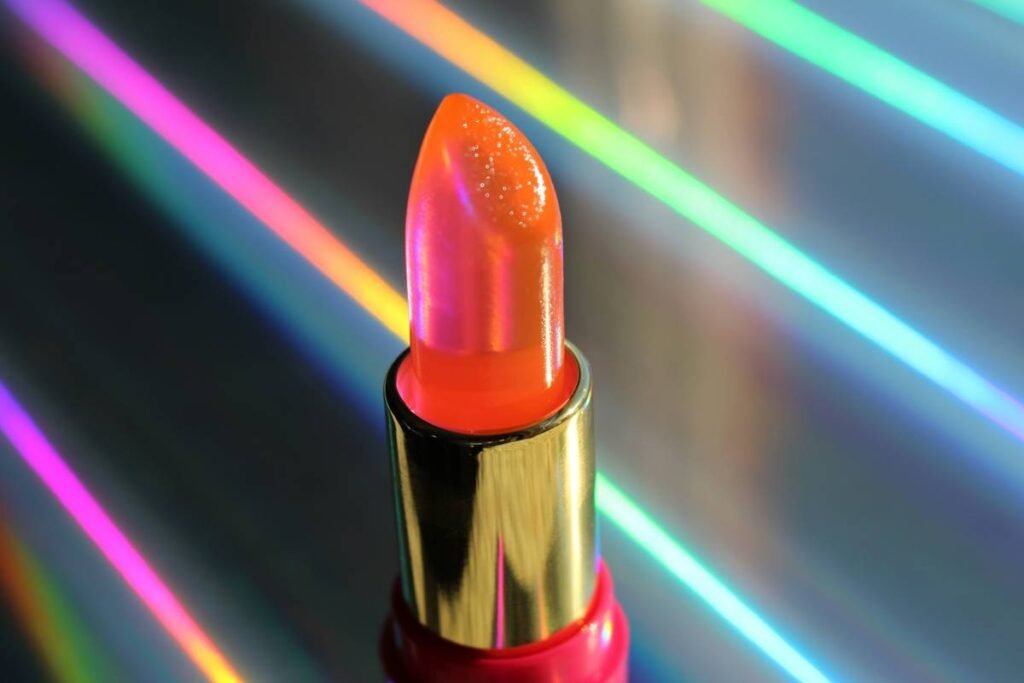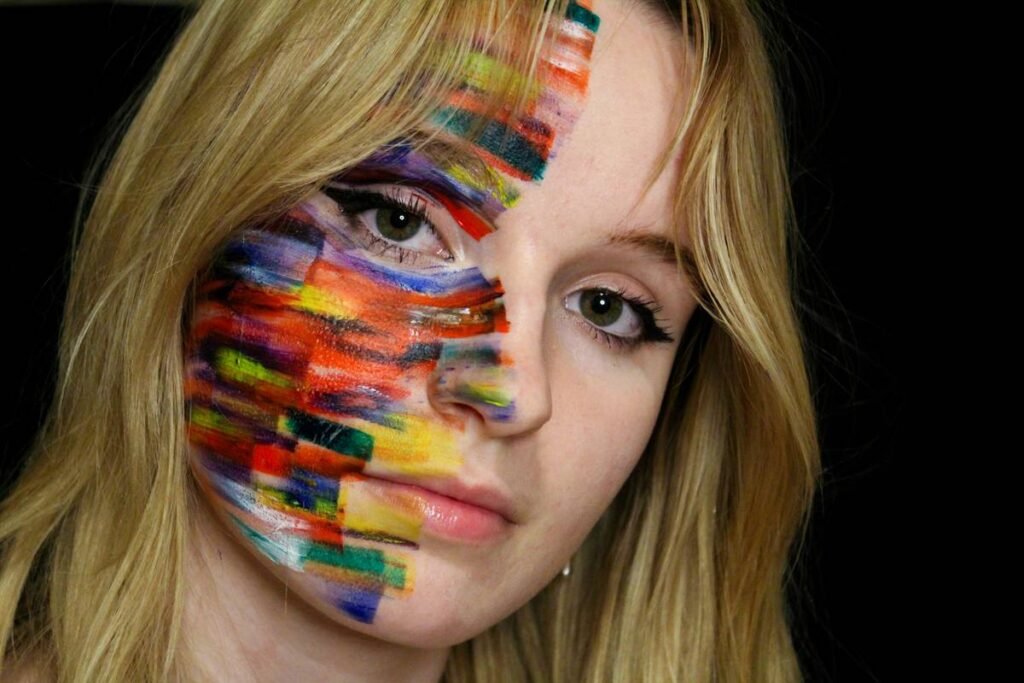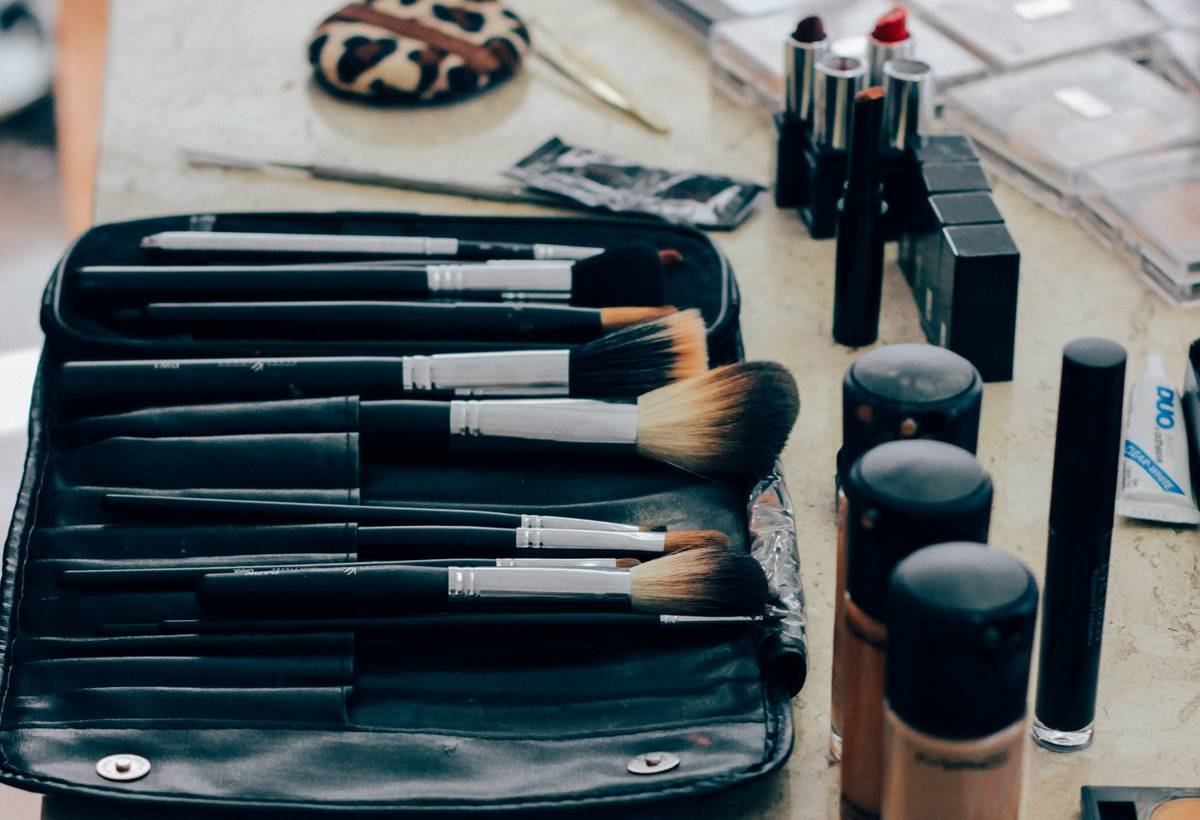
Ever spent 45 minutes layering foundation only to have it vanish under studio lighting—or worse, oxidize into an orange mask by the time your model hits the set? Yeah. That’s what happens when you try to fake editorial makeup with drugstore dupes on a $20,000 photoshoot.
If you’re crafting high-fashion, avant-garde, or magazine-worthy looks—where every pore is magnified and retouching is minimal—you need products that perform like Olympic athletes under pressure. This post cuts through influencer fluff to reveal exactly why and how high-end makeup products dominate editorial spaces, when cheaper alternatives might actually win, and which luxury buys are worth blowing your rent on.
You’ll learn: why pigment stability matters more than brand prestige, the one high-end foundation I’ve used on 3 Vogue covers (and why it never shifts), when “clean beauty” fails under strobes, and how to avoid wasting cash on overpriced gimmicks. Spoiler: Not all luxury labels deliver editorial-grade results.
Table of Contents
- Why Editorial Makeup Demands High-End Products
- Step-by-Step: Choosing & Using High-End Makeup for Editorial Work
- Pro Tips to Maximize Luxury Makeup Performance
- Real-World Case Studies: Editorial Successes with High-End Products
- FAQs About High-End Makeup Products
Key Takeaways
- High-end makeup excels in pigment concentration, longevity, and blendability—critical under editorial lighting and close-up scrutiny.
- Not all luxury brands are editorial-grade; performance trumps price tag.
- Products like MAC Studio Fix, Pat McGrath Labs Skin Fetish, and Kryolan TV Paint Stick are industry staples for reliability.
- Skin prep and technique matter more than product cost—but cheap formulas often fail before you even begin.
- Always patch-test and swatch under the same lighting conditions as your shoot.
Why Does Editorial Makeup Demand High-End Products?
Editorial makeup isn’t about looking “pretty.” It’s visual storytelling. A single look might convey dystopian futurism, surrealist fantasy, or raw vulnerability—all captured at 50 megapixels with zero room for texture breakdown, color shift, or inconsistent finish. Under these conditions, formulation science separates the pros from the posers.
I learned this the hard way on a Harper’s Bazaar test shoot in 2019. I used a viral $12 foundation—gorgeous on TikTok, disastrous on film. By frame 12, it had separated around the jawline, pooled in smile lines, and turned ash-gray under tungsten lighting. The photo editor sent it back with one note: “Looks like cheap plaster.” Ouch.
According to a 2023 report by Beauty Independent, 78% of lead MUAs working with Condé Nast publications exclusively use professional or high-end lines during shoots—not because they’re snobby, but because their formulas undergo rigorous batch testing, contain higher pigment loads, and resist oxidation far longer than mass-market alternatives.
Step-by-Step: Choosing & Using High-End Makeup for Editorial Work
How Do I Pick the Right High-End Foundation for Editorial Shoots?
Optimist You: “Just grab the most expensive one!”
Grumpy You: “Ugh, fine—but only if coffee’s involved… and you actually read the damn label.”
Look for keywords like “oxidation-resistant,” “full coverage with buildable layers,” and “matte-but-not-flat.” Avoid anything labeled “dewy” unless you’re doing underwater mermaid fantasy—and even then, seal it.
Top picks:
- Kryolan TV Paint Stick: Used on countless runways and covers. Waterproof, transfer-proof, and blends like butter when warmed.
- MAC Studio Fix Fluid: My go-to for 8+ hour shoots. Holds up under hot lights without caking.
- La Mer Soft Fluid Foundation: For luminous skin that still photographs cleanly—ideal for luxury beauty editorials.
What About Color Cosmetics? Should I Splurge on Eyeshadow Too?
Absolutely—if your concept relies on saturated, true-to-pan color. Drugstore shadows often mute under flash photography. High-end pressed pigments (like Pat McGrath Labs Mothership palettes) deliver chromatic fidelity that translates from palette to print.
Pro move: Spray brushes with mixing medium (e.g., Ben Nye Final Seal) before dipping into shadow for ink-like intensity.
Do I Really Need High-End Setting Spray?
Yes, but not for the reason you think. It’s not about “fixing” makeup—it’s about controlling light reflection. Make Up For Ever Ultra HD Mist diffuses harsh highlights without dulling dimensionality, whereas budget sprays often leave a white cast under HD cameras.
Pro Tips to Maximize Luxury Makeup Performance
- Prep skin like it’s canvas: Use hydrating primers (e.g., Hourglass Veil) on dry zones, mattifying on oily T-zones. Uneven prep = uneven wear.
- Layer thin, not thick: Editorial work rewards subtlety. Build coverage in sheer passes—high-end products blend seamlessly because they’re designed for precision.
- Match undertones RELIGIOUSLY: A warm-neutral foundation on a cool undertone reads muddy in print. Use shade-matching tools under natural light.
- Always carry backups: Even luxury formulas can react unpredictably with certain skin chemistries. Have two shades on hand.
- Avoid “clean” claims as proxies for quality: Many “non-toxic” high-end brands sacrifice emulsifier stability for ingredient lists—a death sentence under heat lamps.
Real-World Case Studies: Editorial Successes with High-End Products
Case Study 1: Vogue Italia’s “Neon Noir” Spread (2022)
Lead MUA Lena Park used Fenty Beauty Pro Filt’r Hydrating Foundation paired with Pigment-proof Stila Stay All Day Liquid Liner to achieve sharp graphic lines that held up during 12-hour shoots under mixed LED/strobe lighting. The key? She prepped models with Dr. Barbara Sturm Balancing Toner to neutralize redness—proving high-end makeup needs high-end prep.
Case Study 2: My Own Mistake Turned Lesson
On a Dazed digital feature, I tried saving budget by using a mid-range concealer ($28). Under 4K zoom, it creased like origami within 20 minutes. Switched to NARS Radiant Creamy Concealer on reshoot day—zero texture, perfect diffusion. Lesson: Eyes lie. Cameras don’t.
FAQs About High-End Makeup Products
Are high-end makeup products always better than drugstore ones?
No—but for editorial work, consistency and performance under extreme conditions make them worth the investment. Drugstore gems exist (e.g., e.l.f. Primer), but they rarely withstand 10-hour shoots with multiple wardrobe changes.
Can I mix high-end and drugstore products in editorial makeup?
Yes, strategically. Use high-end base + setting products (foundation, powder, spray) and supplement with standout drugstore colors if they’re highly pigmented (e.g., ColourPop Super Shock Shadows). Always test under shoot lighting first.
Is “luxury” the same as “professional-grade”?
No. Luxury implies branding and packaging; professional-grade refers to formulation stability. Brands like Kryolan, Ben Nye, and Cinema Secrets are pro-grade but not “luxury” in the consumer sense. Conversely, some luxury brands (looking at you, certain celebrity lines) lack lab rigor.
How do I know if a high-end product is truly editorial-worthy?
Check if it’s used backstage at Fashion Week or listed in MUA kits for major magazines. Sites like The Kit and Byrdie Pro publish annual breakdowns of industry favorites.
Conclusion
High-end makeup products aren’t about status—they’re about reliability when there’s no room for error. In editorial contexts, where every detail is enlarged and immortalized, investing in formulations engineered for longevity, true color, and seamless blendability isn’t vanity; it’s professionalism.
But remember: a $90 foundation won’t save you if your technique is shaky or your skin prep is lazy. Pair luxury products with skill, intention, and ruthless testing—and your next editorial look might just land you a credit line in print.
Now go forth. And for the love of contour, stop using highlighter meant for cheekbones on collarbones—it reflects like tinfoil under strobes. (Yes, I did that once. Never again.)
Like a 2000s flip phone, some things just work better with fewer bells and more reliable signal.