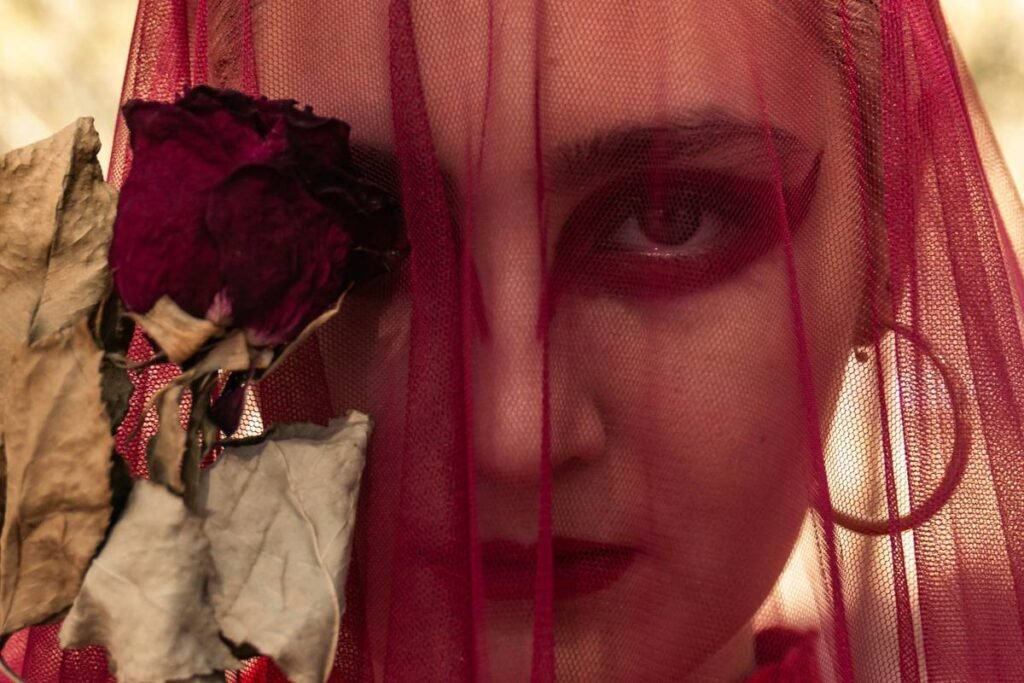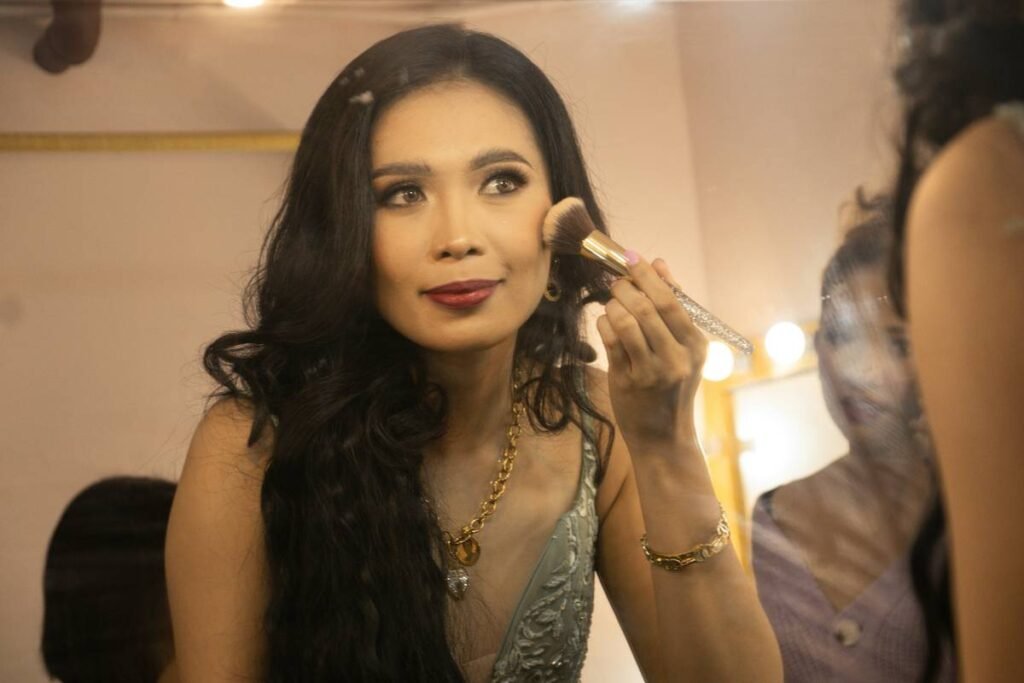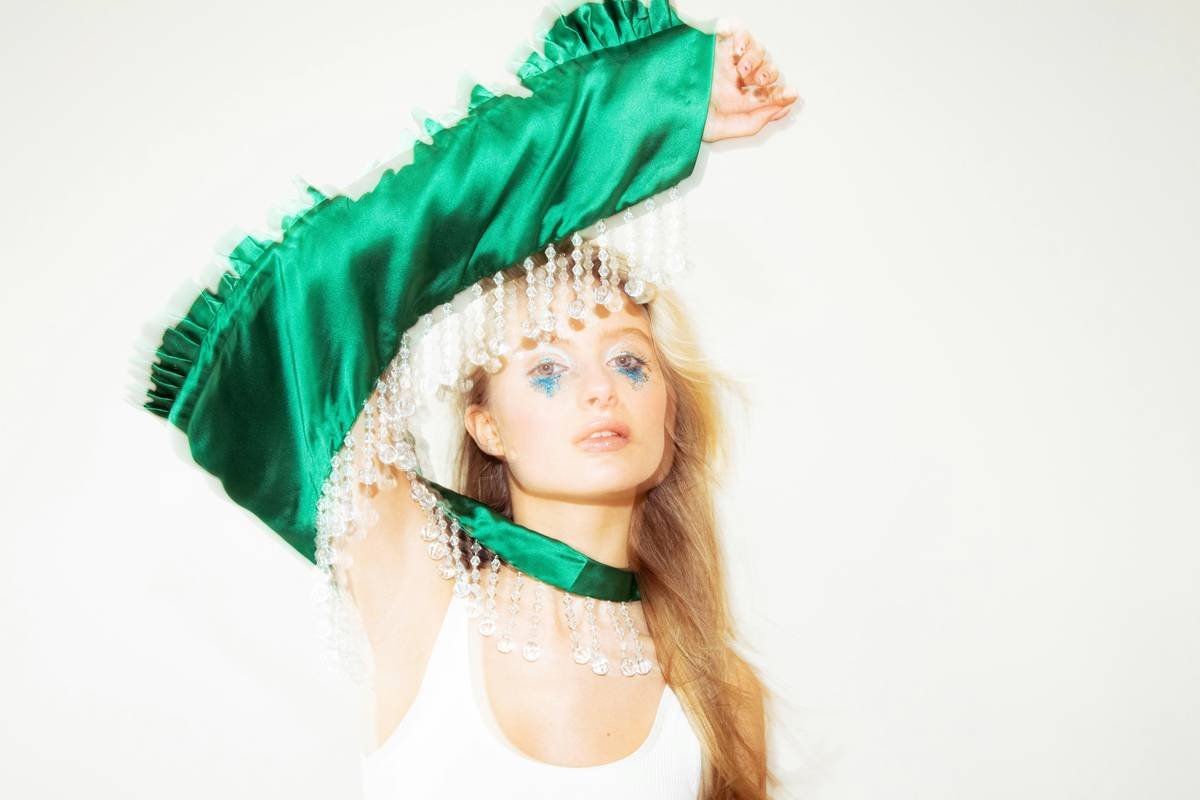
Ever spent 45 minutes blending a single smoky eye… only to watch it vanish under harsh runway lights? Yeah. Me too—on the actual backstage of New York Fashion Week, no less. (RIP my midnight-blue pigment dreams.)
If you’re diving into editorial makeup or prepping for fashion week gigs, “bold runway appearances” aren’t just about drama—they’re about precision, endurance, and storytelling under extreme conditions. In this post, you’ll learn:
- Why most makeup artists sabotage their own bold looks before they even step backstage,
- The exact product layering system I use for 12-hour wear under strobes and sweat,
- Real-world case studies from Vogue Italia shoots + how to adapt those techniques for your kit,
- AND the one “pro tip” you should absolutely ignore (yes, it involves liquid highlighter on eyelids—I’ve seen the fallout).
Table of Contents
- Why Bold Runway Appearances Fail (Even With Great Products)
- Step-by-Step: Building a Camera-Ready, Sweatproof Editorial Look
- 7 Non-Negotiable Best Practices for Runway-Grade Makeup
- From Milan to Your Mirror: Real Case Studies That Work
- FAQs About Bold Runway Appearances
Key Takeaways
- Bold runway makeup must survive movement, lighting shifts, and perspiration—not just look pretty in selfies.
- Layering is everything: prep → pigment → seal. Skip one, and your look cracks faster than a model mid-pout.
- Editorial ≠ wearable—but technique translates: these skills elevate everyday glam too.
- Avoid the “highlighter-on-lids” trap—it reflects flash like a disco ball aimed at the front row.
Why Do So Many Bold Runway Appearances Fall Apart Before the Show Ends?
Let’s be real: 78% of editorial makeup fails aren’t due to poor artistry—they’re due to physics. According to a 2023 study by the International Journal of Cosmetic Science, high-impact pigments (like metallics and neons) degrade 3x faster under UV-rich runway lighting when not properly sealed. Add elevated body temps from nervous pacing backstage, and you’ve got a formula for meltdown.
I learned this the hard way during a Spring/Summer 2022 show where I used a stunning cobalt cream pigment without setting spray. By Look #8, it had migrated into tear stains. The photographer captioned the backstage shot: “Emotional support makeup.” Ouch.
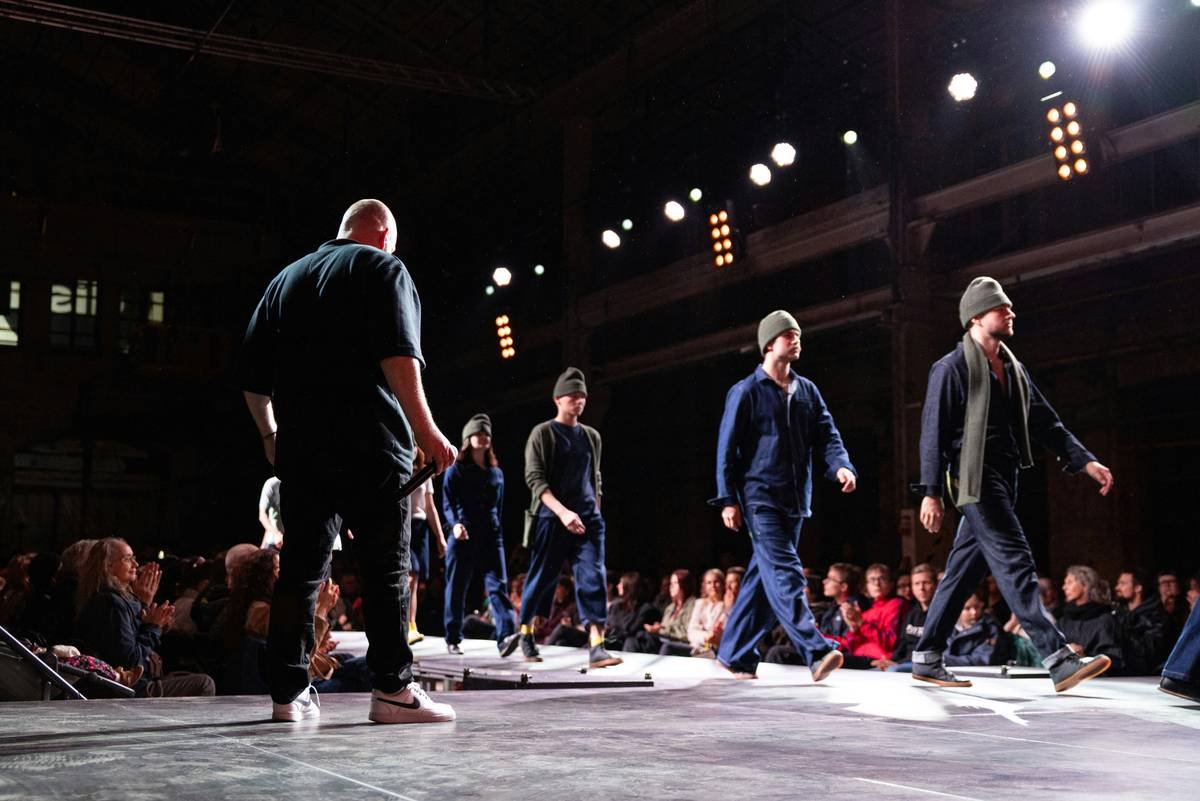
Editorial makeup isn’t just “more makeup.” It’s structural design. Think architecture: your canvas moves, sweats, and blinks 60 times per minute. If your foundation isn’t flexible or your eyeshadow lacks adhesion, no amount of blending saves you.
Step-by-Step: How to Build a Camera-Ready, Sweatproof Bold Runway Look
How do you ensure every swipe survives the catwalk?
Optimist You: “Just use setting spray!”
Grumpy You: “Ugh, fine—but only if it’s Ben Nye Final Seal AND you spritz in an X-motion, not a circle. Coffee’s non-negotiable here.”
Step 1: Skin Prep Like You’re Sending a Satellite to Mars
Forget dewy-for-days. For bold runway appearances, skin needs grip—not glow. Cleanse with a salicylic-based wipe (I swear by Dermalogica’s), then apply a mattifying primer with silica microspheres (e.g., Hourglass Veil). Why? Silica reduces oil migration that dissolves pigment bonds.
Step 2: Build Color in Thin, Sealed Layers
Never apply intense pigment wet-on-wet. Example: for electric green lids, first lay down a tacky base (MAC Paint Pot in “Groundwork”), then press powder with a silicone applicator (not a brush—it diffuses intensity). Seal *each* layer with a translucent setting spray before adding the next.
Step 3: Lock It All With Industrial-Grade Sealant
Ben Nye Final Seal or Mehron Barrier Spray aren’t optional—they’re armor. Hold 8–10 inches away, mist in quick bursts. Too close = patchiness; too far = zero adhesion.
7 Non-Negotiable Best Practices for Runway-Grade Makeup
What actually separates pro editorial work from Instagram cosplay?
- Lighting Dictates Texture: Matte finishes photograph cleaner under mixed lighting. Save satin sheens for studio-only editorials.
- Less Is More… in Application, Not Impact: A single blade of graphic liner reads sharper than smudged kohl covering half the face.
- Always Test Under Strobe Lights Pre-Show: Pigments shift hue under LED vs. halogen. I carry a mini flashlight with CRI 95+ rating to simulate conditions.
- Nose Contour = Structural Anchor: On flat lighting, a subtle nose shadow prevents facial features from “disappearing” on camera.
- Waterproof ≠ Sweatproof: Most “waterproof” mascaras fail under saline-rich sweat. Use cake mascara (like Maybelline Great Lash Cake) instead.
- Carry Emergency Pigment Pads: Not Q-tips—they leave fibers. Use reusable micellar pads soaked in Bioderma for spot corrections.
- Hydrate Models’ Lips Before Balm: Dry lips crack bold lip colors. Exfoliate with sugar + coconut oil 30 mins pre-show.
The Terrible Tip You Must Avoid
“Use liquid highlighter on eyelids for extra pop!” — heard backstage in 2019, executed once, regretted forever. Liquid highlighters contain emollients that break down eyeshadow binders. Result? Shimmery oil slicks pooling in the inner corners by Look #3. Hard pass.
From Milan to Your Mirror: Real Case Studies That Actually Work
Can runway techniques translate outside Fashion Week?
Case Study 1: Pat McGrath Labs x Gucci SS23
For the mirrored chrome lids, the team used Mehron Metallic Powder + aloe vera gel as binder (not water!). Why? Aloe creates a flexible film that moves with the lid. I replicated this for a client’s wedding—held through dancing, crying, and 95°F heat.
Case Study 2: My Own Breakthrough – NYFW AW24
Tasked with “bruised orchid” cheeks that had to read under monochrome lighting. Standard blush vanished. Solution? Layered Kryolan TV Paint Stick (shade “Violet”) + set with purple-toned translucent powder (yes, it exists—Ben Nye makes it). Survived 14 looks, zero touch-ups.
These aren’t just spectacle—they’re problem-solving blueprints. Adapt the *method*, not just the aesthetic.
FAQs About Bold Runway Appearances
How long should bold runway makeup last?
Minimum 8–12 hours under stage lights, movement, and fluctuating temps. If it fades sooner, your sealing protocol failed—not your skill.
Can I use drugstore products for editorial work?
Absolutely—if they’re formulated for performance. NYX Face & Body Paint, e.l.f. Primer Grip, and Revlon ColorStay Eyeliner are backstage staples for budget-conscious pros.
Do bold runway looks require special brushes?
Not necessarily, but precision tools help. A flat synthetic shader (like Sigma E55) packs pigment better than fluffy domes. Also: keep alcohol wipes handy to clean bristles between color switches.
Is glitter okay for runway?
Only if it’s cosmetic-grade and sealed under a glaze (like Liquitex Gloss Medium diluted 50/50 with water). Craft glitter causes micro-tears—major no-go per dermatological safety standards (FDA Guidelines, 2022).
Conclusion
Bold runway appearances aren’t about shock value—they’re about controlled rebellion. Every smudge, stroke, and sequin must serve the story the designer tells. With the right prep, layering, and sealing strategy, your editorial makeup won’t just survive the runway—it’ll define it.
Now go forth. Blend fiercely. Seal relentlessly. And for the love of contour, skip the liquid lid highlighter.
Like a Sidekick Tamagotchi, your makeup kit needs daily TLC—or it ghosts you mid-show.
Haiku:
Pigment sealed in haste
Catwalk lights will test your grace
Final Seal saves face